Participatory Arts with Migrant and Displaced Young People
Lessons from the NEWSPACE Project
How can participatory arts create meaningful spaces for young people affected by migration and displacement?
The NEWSPACE project set out to explore this question through a collaboration between cultural organisations Cantieri Meticci (Italy), Impulse Transformation Platform (Ukraine), and Strefa WolnoSłowa (Poland) and the researchers from IRS – Istituto per la Ricerca Sociale. Working with adolescents with different experiences of migration, displacement and social vulnerability, the project developed and tested an approach to participatory arts that places young people’s creativity, agency and experiences at its centre.
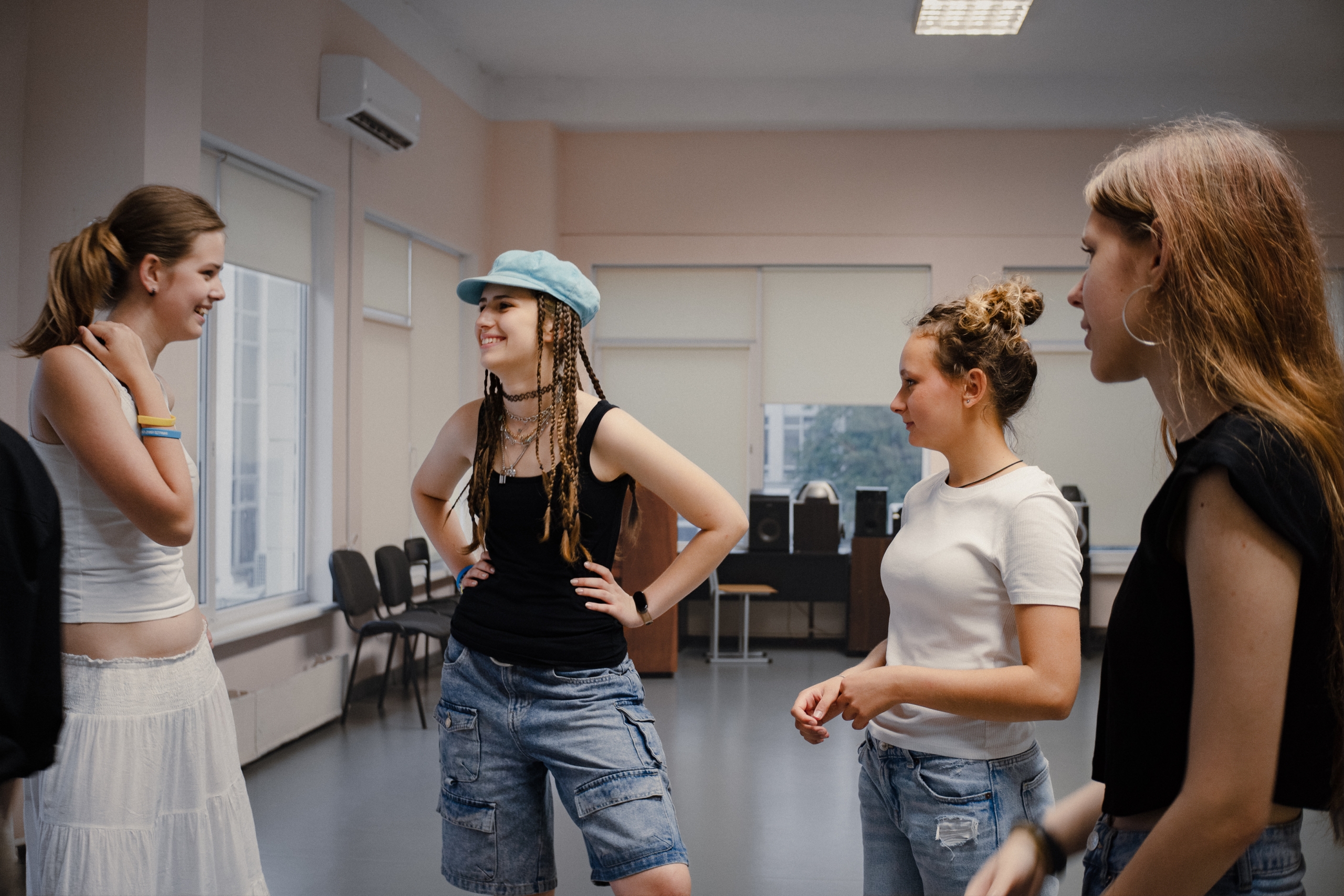
Over the course of the project, workshops and artistic residencies in Bologna, Warsaw and Kyiv brought together young people and artists to experiment with different creative languages, build relationships and develop collective artistic works.
The experience has now been brought together in the Model for Participatory Arts with Diasporic Communities, a resource for artists and cultural organisations interested in developing inclusive, participatory practices with migrant and displaced communities.
A shared artistic approach
NEWSPACE began with three pilot artistic residencies in Bologna, Warsaw and Kyiv. Each took shape in response to its local context and the interests, backgrounds and needs of the young people involved.
The residencies combined different artistic disciplines, including theatre, visual arts, storytelling, movement, music, video-making and digital media. They were followed by more sustained workshop programmes, giving participants opportunities to continue exploring creative ideas and develop collective projects over time.
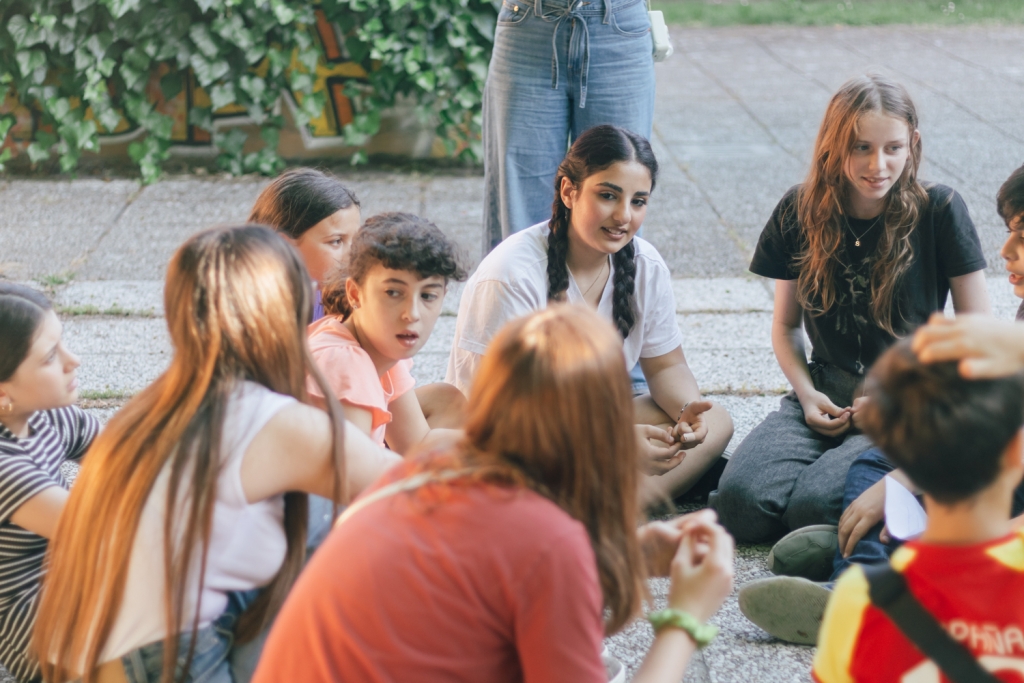
Although the activities differed across the three cities, they shared a common approach: creating welcoming spaces where young people could experiment, make choices, contribute to a collective process and express themselves in ways that felt meaningful to them.
Imagination as a way to express what words cannot
One of the central ideas explored by NEWSPACE was the role of imagination in creating opportunities for expression. The workshops invited young people to develop collective stories, often involving dreams, metamorphosis and transformations into animals. These imaginative narratives opened up ways to explore themes such as escape, danger, belonging and survival without requiring participants to recount personal experiences directly.
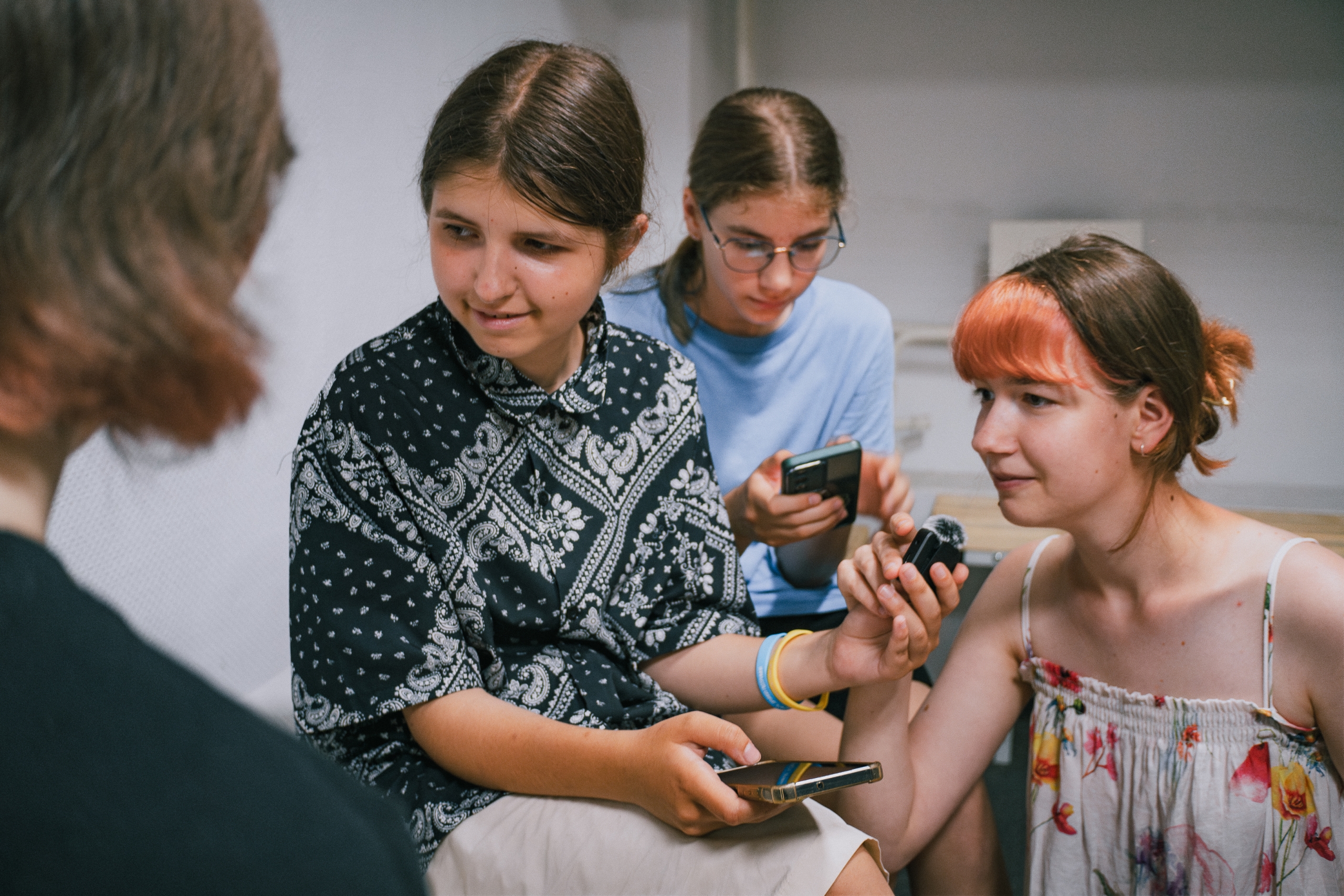
This approach also recognised that spoken language is not the only way to communicate. Drawing, movement, music, masks, performance, photography and video offered different entry points into the creative process. Digital tools, including mobile phones, became accessible instruments for storytelling and artistic experimentation. By combining artistic languages, the project made room for different forms of participation and different ways of sharing ideas.
A key lesson from NEWSPACE is that participation cannot be reduced to asking everyone to contribute in the same way or at the same pace. For young people who may have experienced displacement, uncertainty or exclusion, feeling safe and recognised is an important condition for taking part. The project therefore placed emphasis on building trust, allowing time for relationships to develop and offering different levels of involvement.
Some participants took leading roles in developing artistic ideas, while others contributed through making, observing, experimenting or supporting the group. These different forms of engagement were understood as part of the collective process.
The project identified several principles that can help artists and organisations create more meaningful participatory experiences:
- Imaginative listening: paying attention to what participants communicate through words, images, gestures, stories and creative choices.
- Creative transformation: using artistic processes to rework ideas and experiences into shared forms of expression.
- Public presentation: creating opportunities to share artistic work with others, while respecting participants’ choices about visibility and involvement.
These principles are not a fixed recipe. They offer a framework that can be adapted to different groups, contexts and artistic practices.
Making young people's creativity visible
Across the three cities, the workshops led to collective artworks and public presentations that brought participants’ creative work into shared spaces.
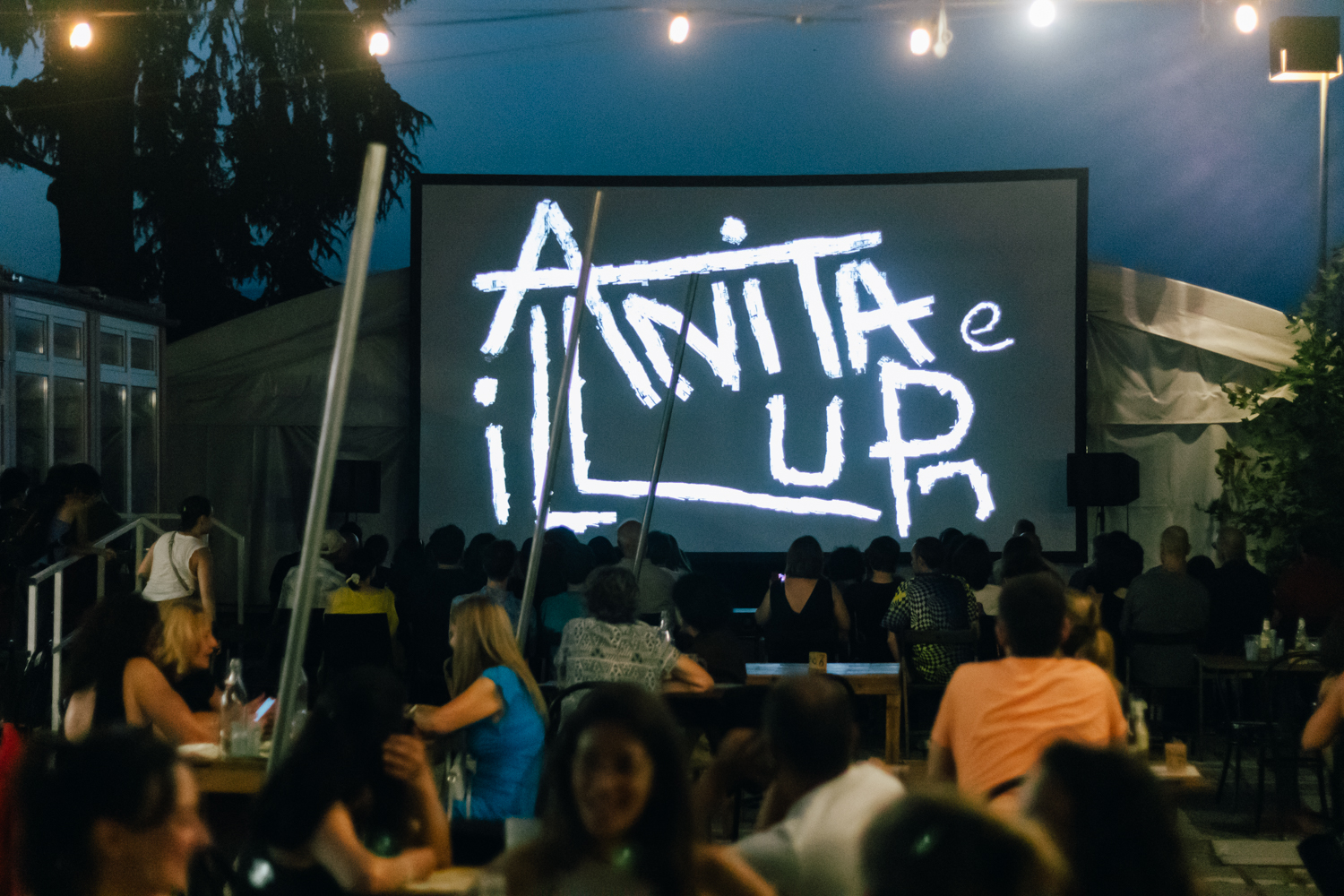
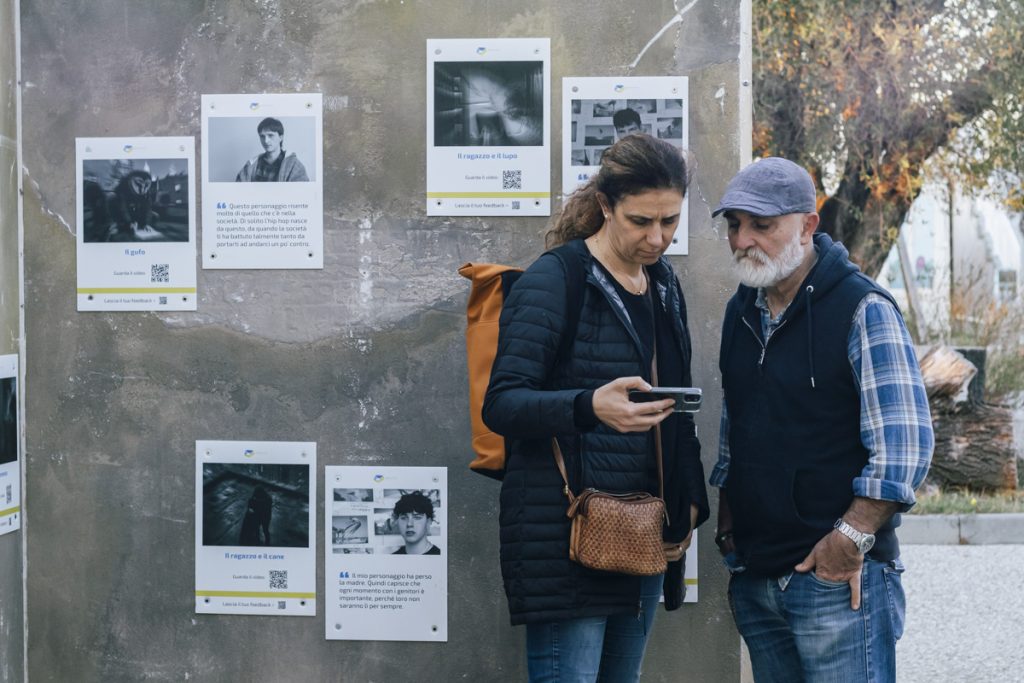
In Bologna, under the guidance of the Cantieri Meticci artists, young people explored storytelling, screenwriting, stop-motion and video-making. Their work included the hybrid film Anita and the Wolf and the installation Rooftops and Underground, presented in a repurposed train carriage.
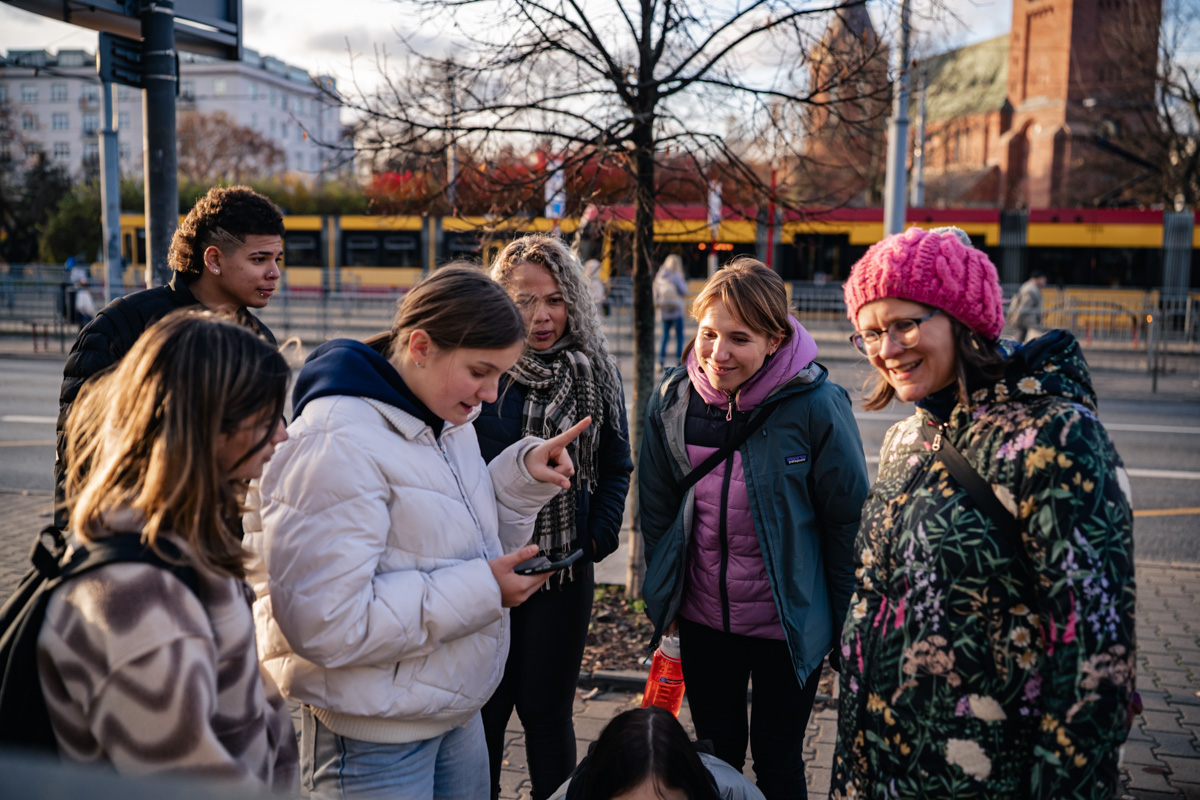
In Warsaw, drawing, theatre, video and body improvisation contributed to a programme of public presentations, including a visual performance, a performative reading and a spatial sculpture led by the artists of Strefa WolnoSłowa.
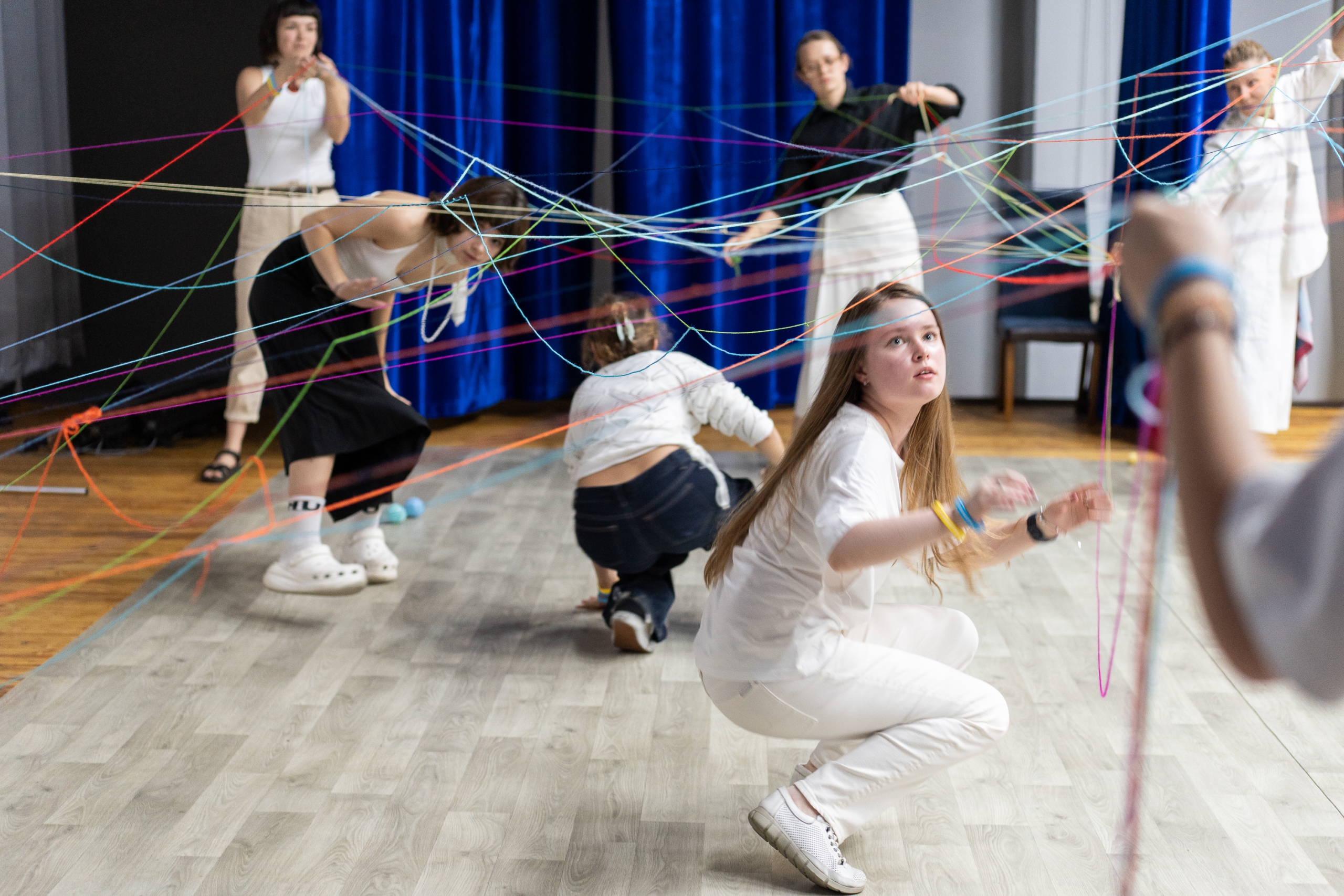
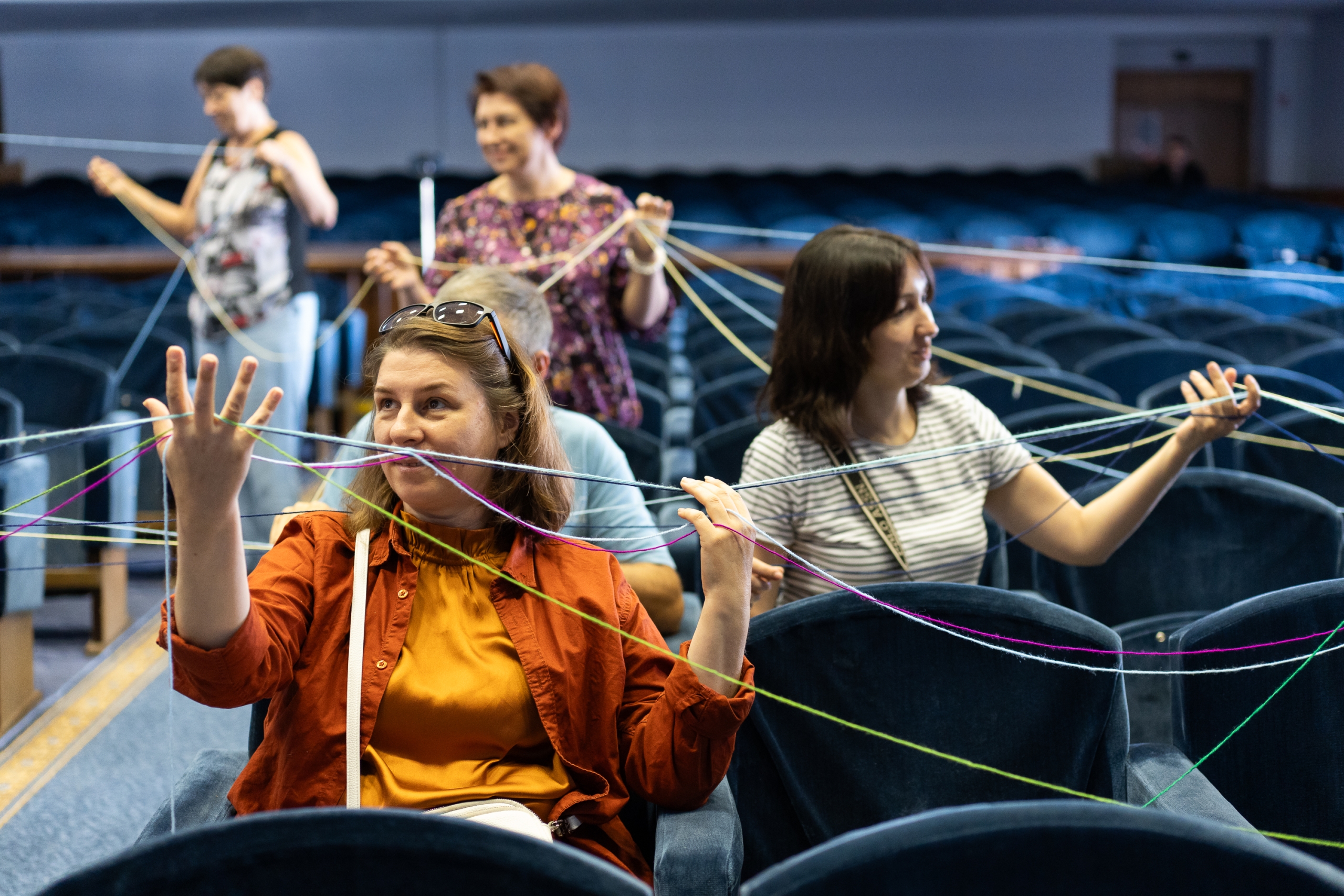
In Kyiv, participants worked with Impulse Transformation Platform’s artists using audiovisual arts, music, somatic movement, dance, sound, performative drawing and embroidery. Their final presentation included Na zviazku (Connected), a performance in which threads became a symbol of connection and collaboration.
These moments of sharing created encounters between young people, artists, families, local communities and wider audiences, making visible the ideas and creative contributions of participants.
What did we learn about the impact of participatory arts?
The project’s research and evaluation explored several dimensions of participants’ experiences: emotional wellbeing, personal development, social connections, cultural identity and integration, and creative expression.
The findings point to the value of artistic processes that give young people space to make choices, experiment and contribute to something collectively created. The workshops offered opportunities to develop creative skills, express ideas, build relationships and experience a sense of belonging.
The research also highlighted the importance of the conditions in which participation takes place. Trust, flexibility, recognition and the possibility of choosing how to engage were central to the experiences documented across the project. These findings should not be understood as evidence that participatory arts can replace psychological or social support. Rather, they show how carefully designed artistic processes can contribute to supportive environments in which young people can express themselves, connect with others and exercise creative agency.
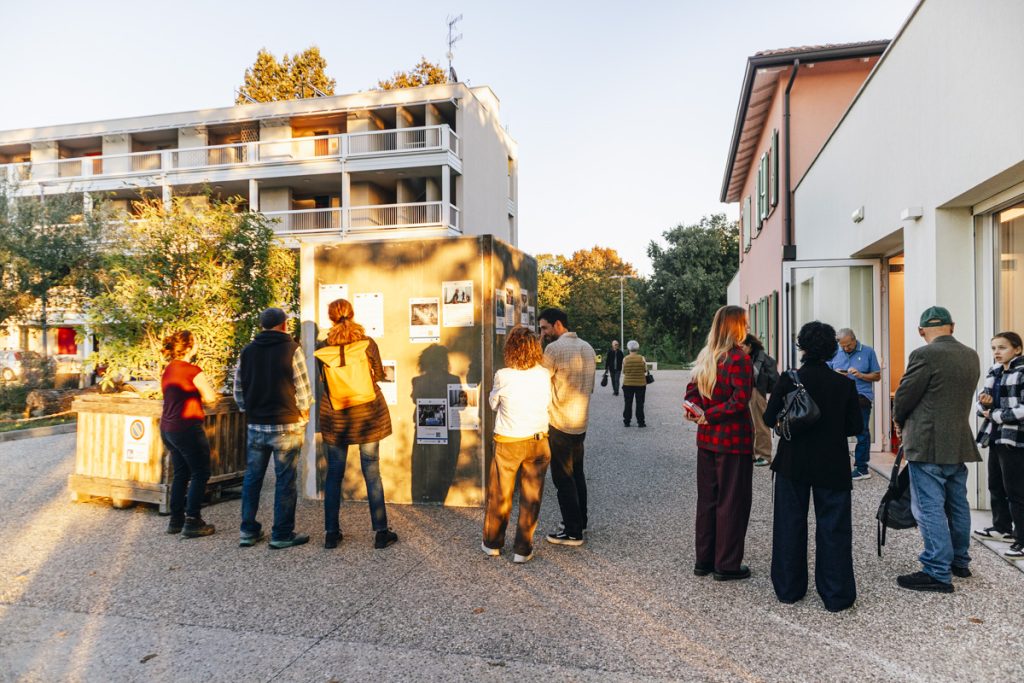
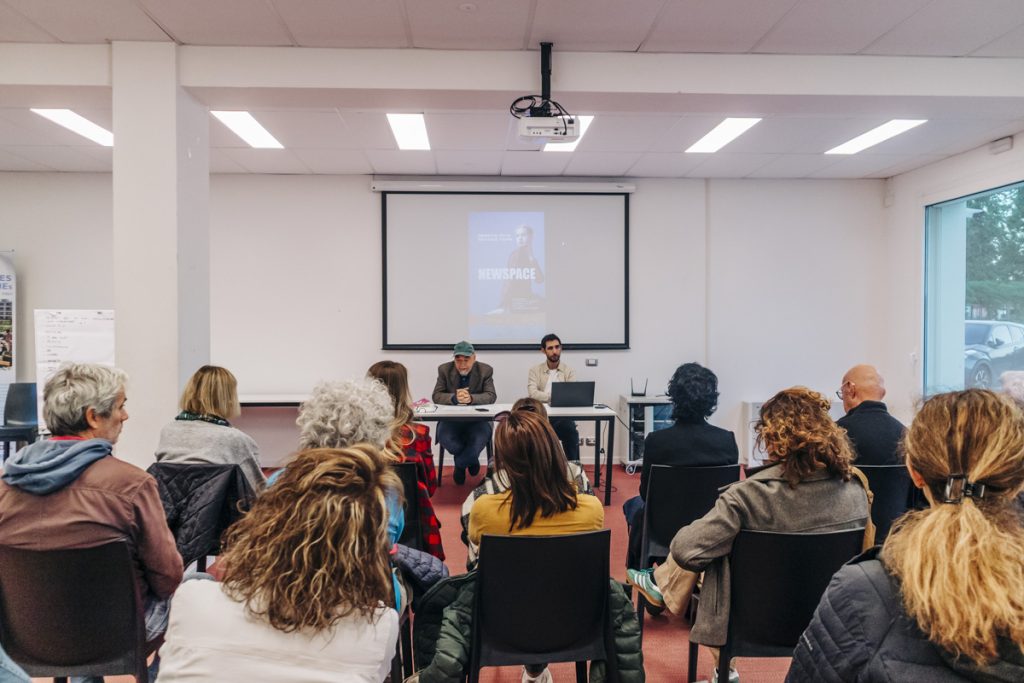
The results of the research were shared at the NEWSPACE final event coordinated by Cantieri Meticci and IRS, held at Salus Space in Bologna on 14 October. The event offered an opportunity to present the project’s findings, reflect on the experience of the three partner contexts and discuss the potential of the approach with artists, cultural practitioners and institutions.
What can artists and institutions take from NEWSPACE?
NEWSPACE offers several practical reflections for people working with migrant and displaced communities:
- Start with relationships. Trust and a welcoming environment are not secondary to artistic work; they are part of its foundations.
- Offer different ways to participate. Not everyone communicates or contributes in the same way. A variety of artistic languages can make participation more accessible.
- Make room for imagination. Fiction, metaphor and collective storytelling can open up expression without putting pressure on people to share personal experiences.
- Recognise participants as creative agents. Young people should have meaningful opportunities to shape ideas, make decisions and influence the direction of the work.
- Think carefully about visibility. Public presentations can create recognition and connection, but participants should be able to decide how their work and identities are shared.
- Adapt the process to the context. There is no universal method. Artistic approaches need to respond to the people, relationships and circumstances involved.
A model to inspire future practice
The NEWSPACE project has brought together its experience and research in the Model for Participatory Arts with Diasporic Communities. The publication offers a framework for developing artistic processes that value imagination, relationships, creative agency and collective expression.
It is intended as a resource for artists, cultural organisations and institutions interested in working with migrant and displaced communities, particularly young people. Rather than prescribing a single method, it shares principles and reflections that can be adapted to different settings and practices.
Explore the NEWSPACE approach and download the Model for Participatory Arts with Diasporic Communities).
We are deeply grateful to all the artists and researchers who participated in NEWSPACE. Your involvement made this project possible: Weronika Chinowska, Alicja Borkowska, Siro Ciarimboli, Nataliia Datsenko, Elena Ferrari, Pietro Floridia, Lena Golosy, Flavia Pesce, Sara Pour, Viktor Ruban, Tatyana Tizenberg, Łukasz Wójcicki.
Share the article!
Funded by the European Union. Views and opinions expressed are however those of the author(s) only and do not necessarily reflect those of the European Union or the European Education and Culture Executive Agency. Neither the European Union nor the granting authority can be held responsible for them.