From sound to movement: the NEWSPACE workshop programme in Kyiv
June 2026
Can a sound become a drawing? Can a drawing become embroidery? Can movement help someone feel more connected to a group?
The NEWSPACE workshop programme in Kyiv explored these questions through an interdisciplinary artistic journey, bringing together movement, sound, drawing, filmmaking, performance and Ukrainian craft traditions.
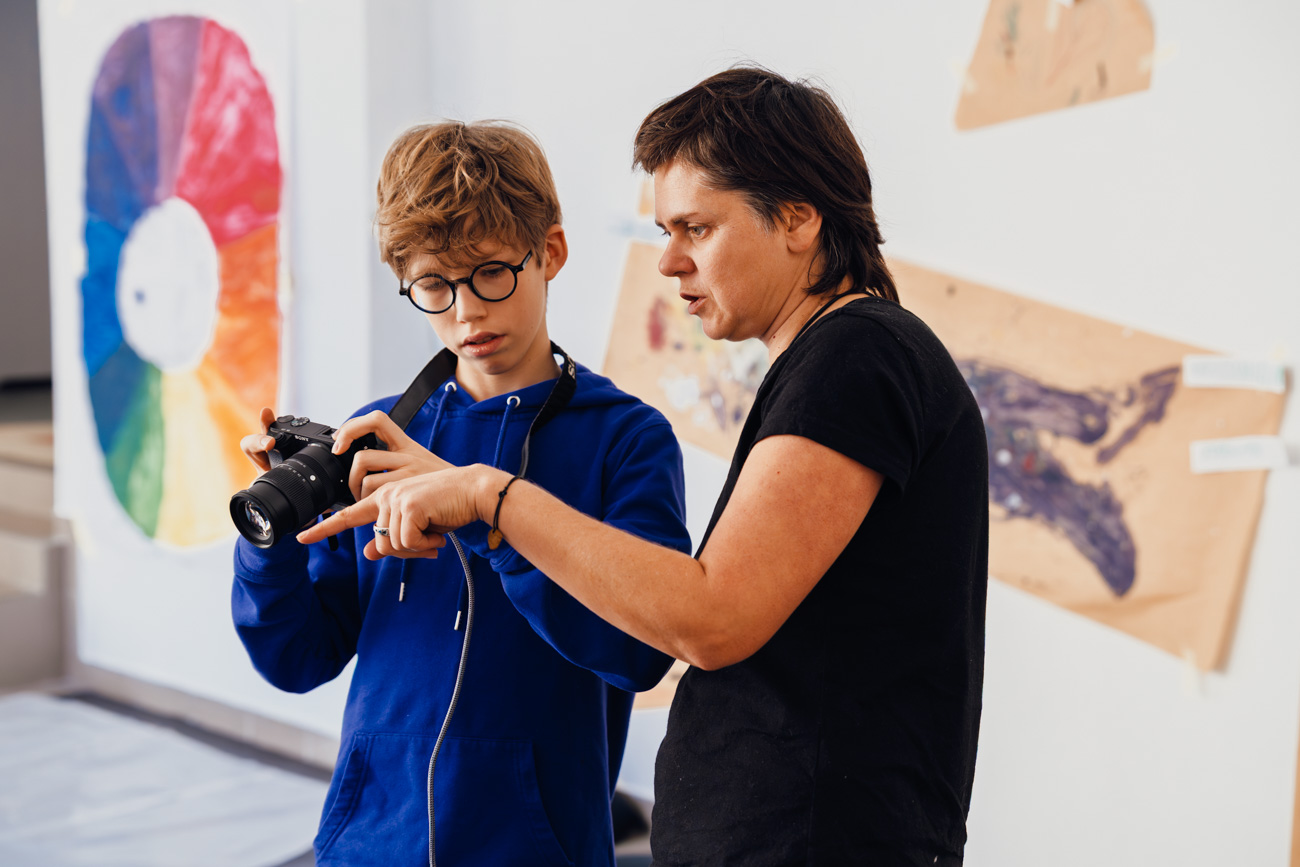
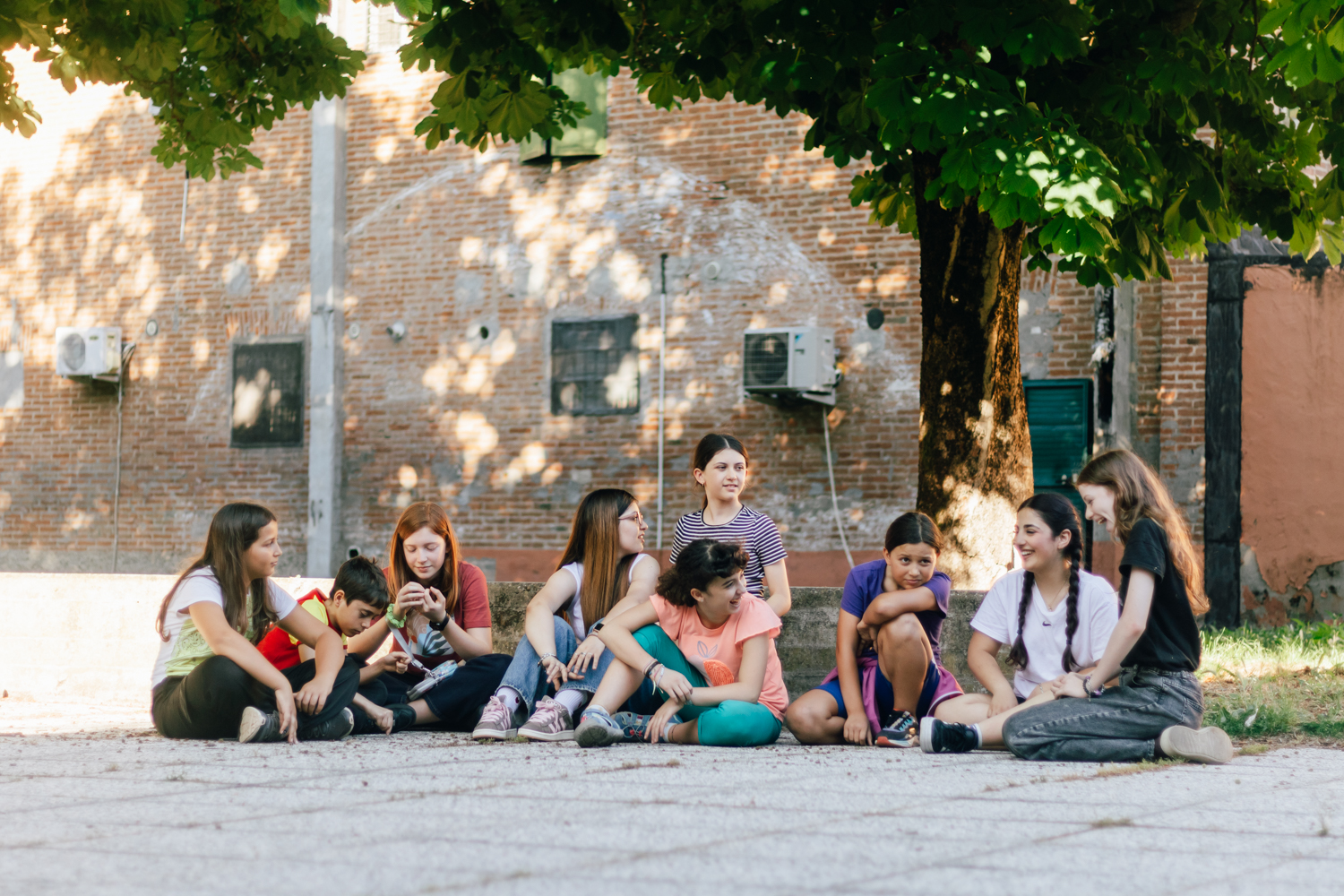
The programme was the Kyiv strand of NEWSPACE’s long-term workshop activities, developed alongside parallel programmes in Bologna and Warsaw. All three programmes shared a common purpose: to create sustained opportunities for adolescents to explore artistic practices, express themselves, build relationships and develop confidence through participation.
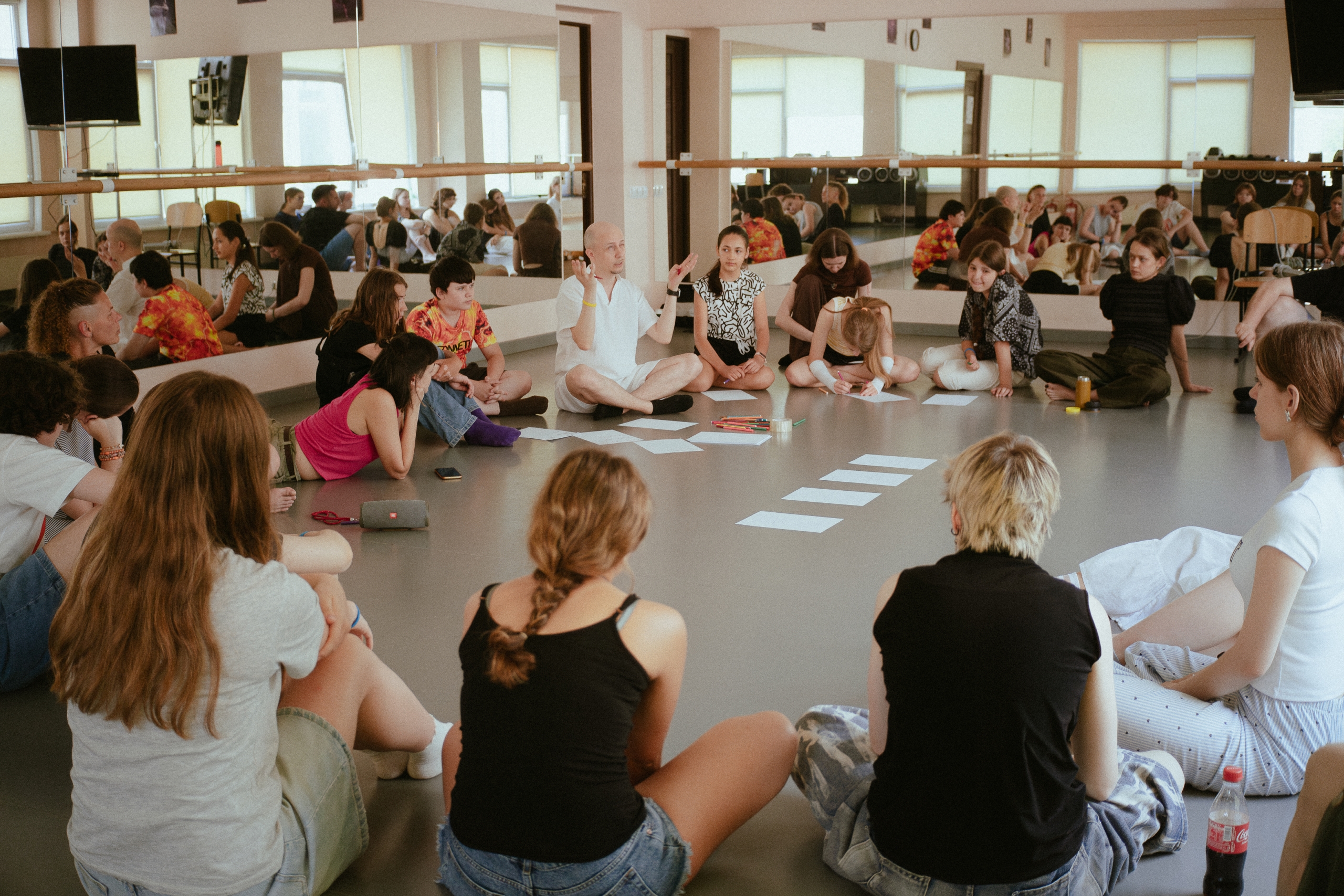
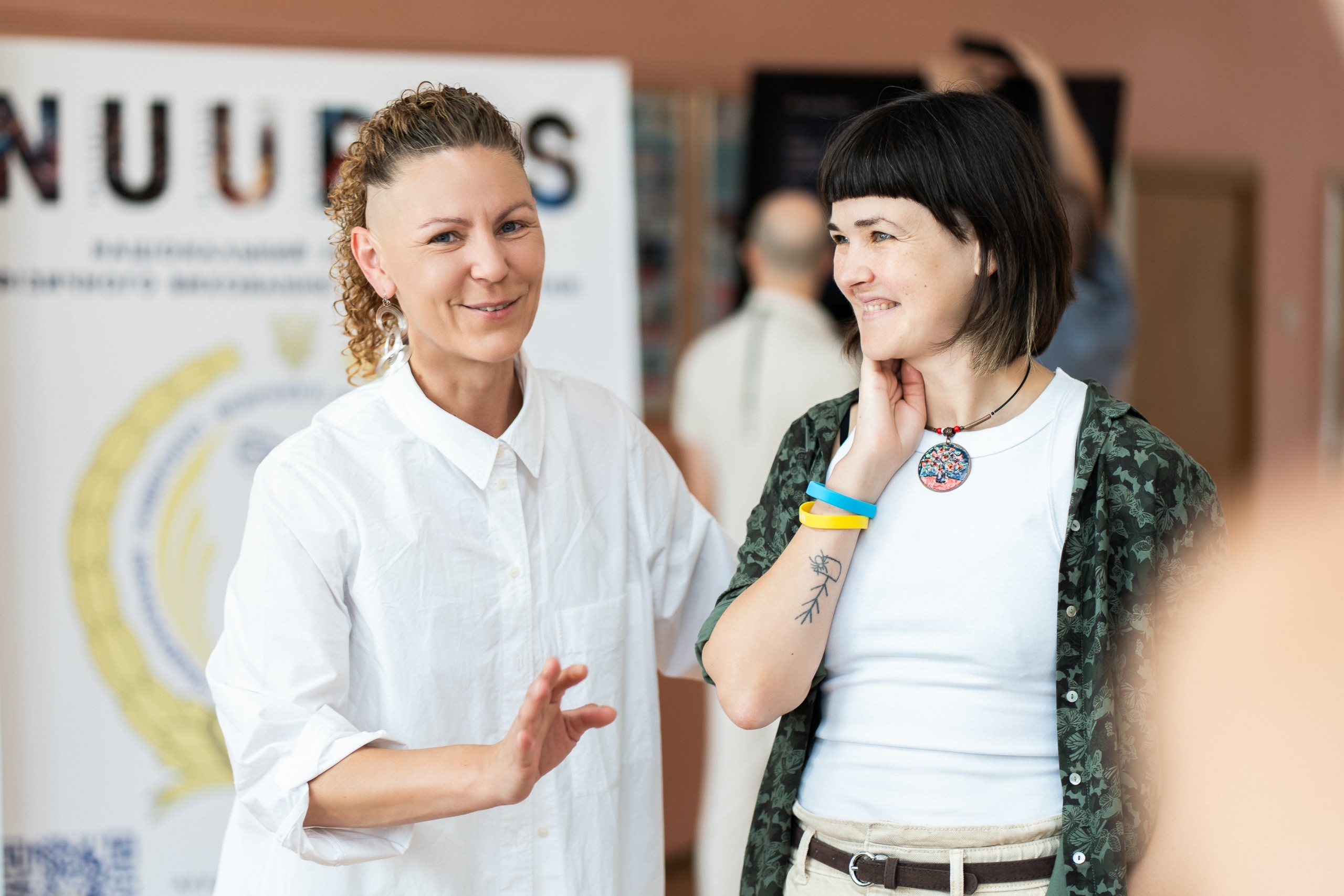
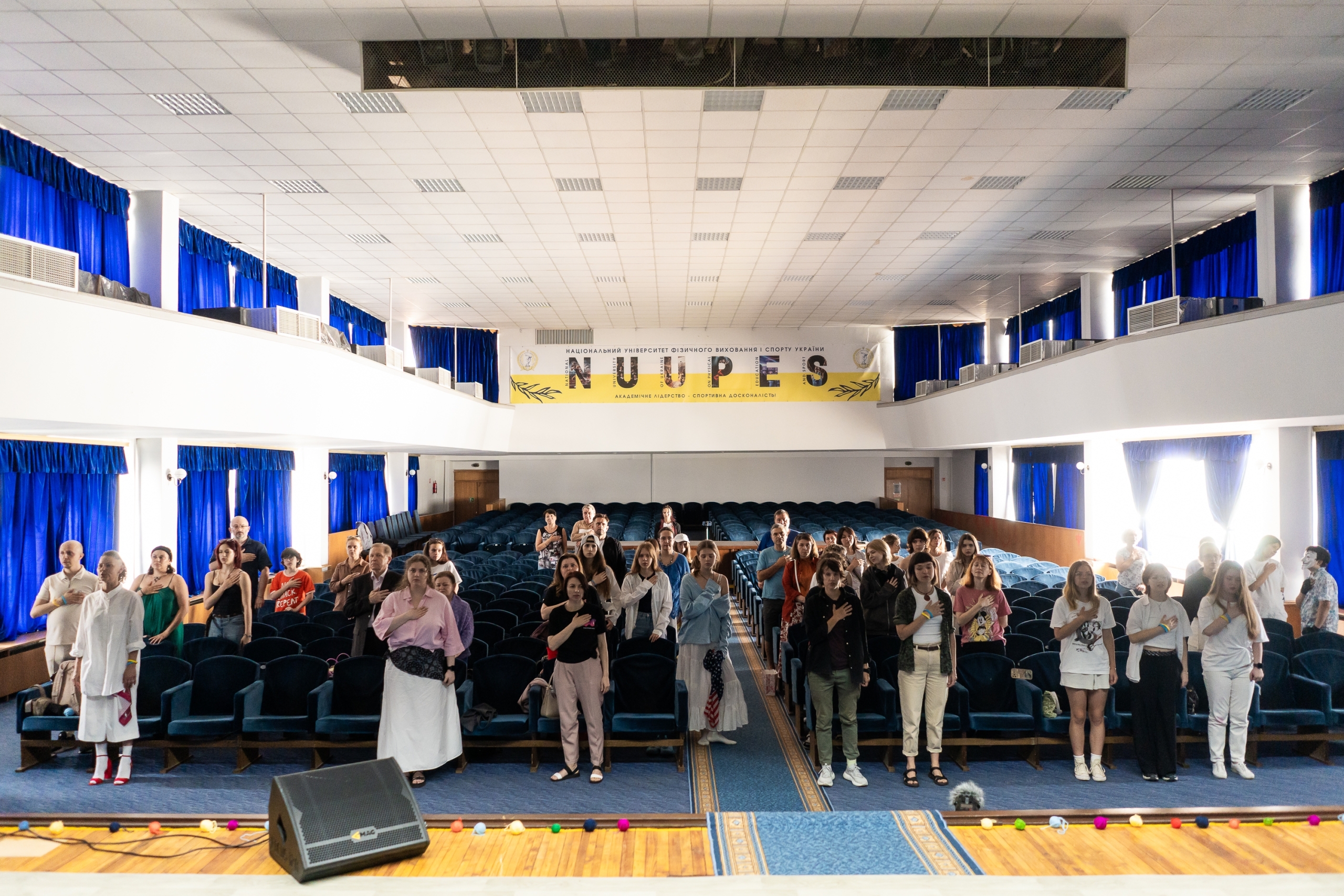
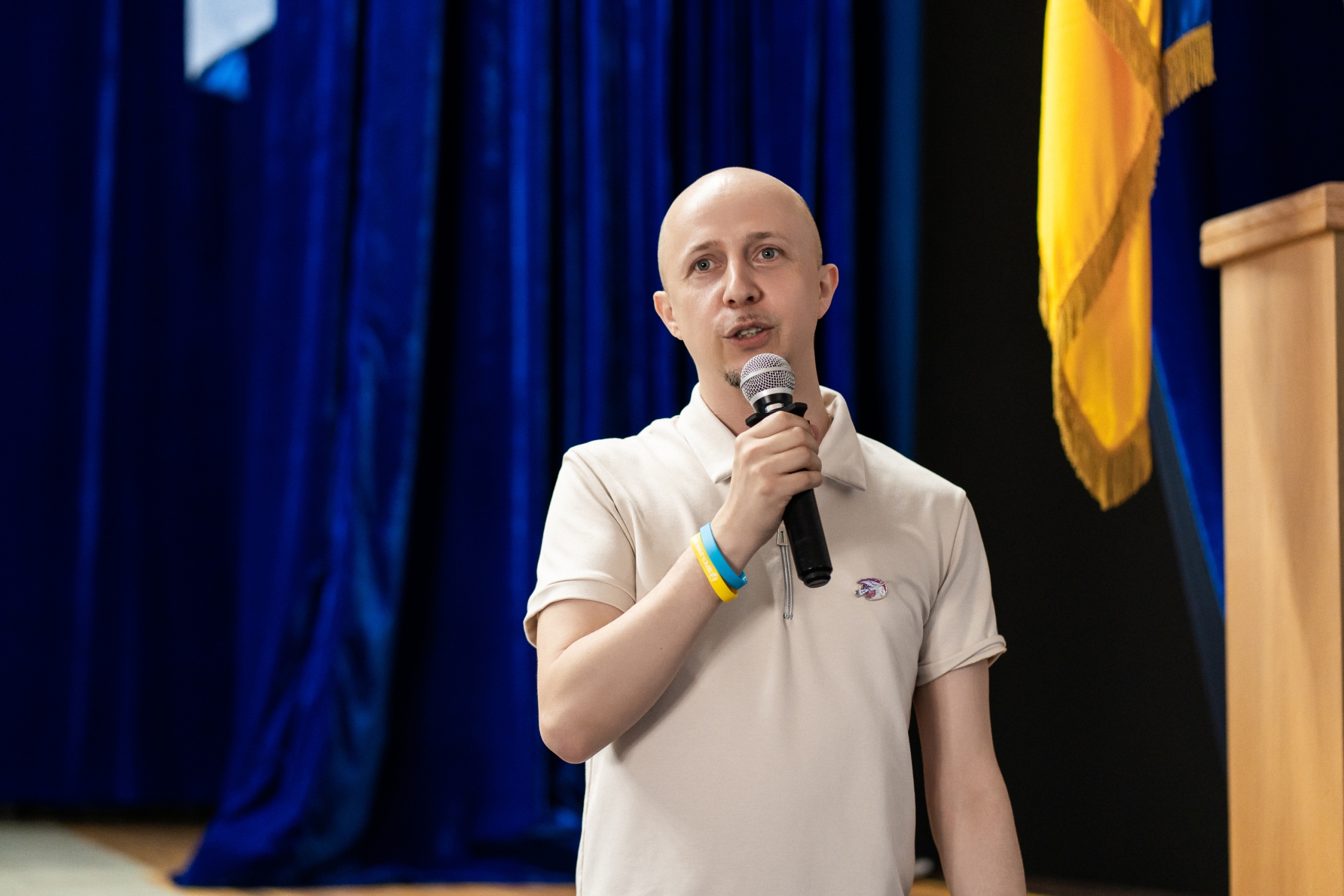
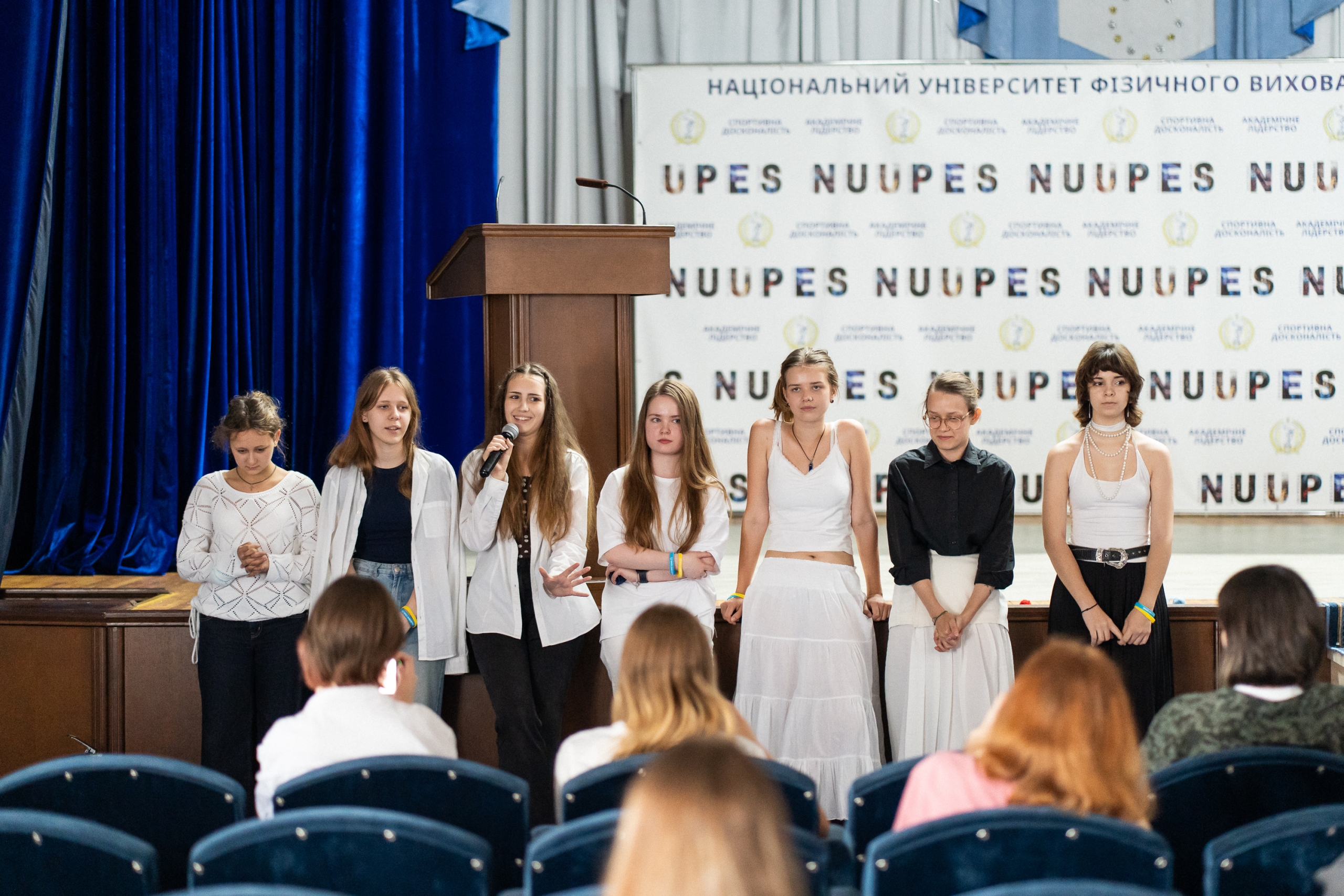
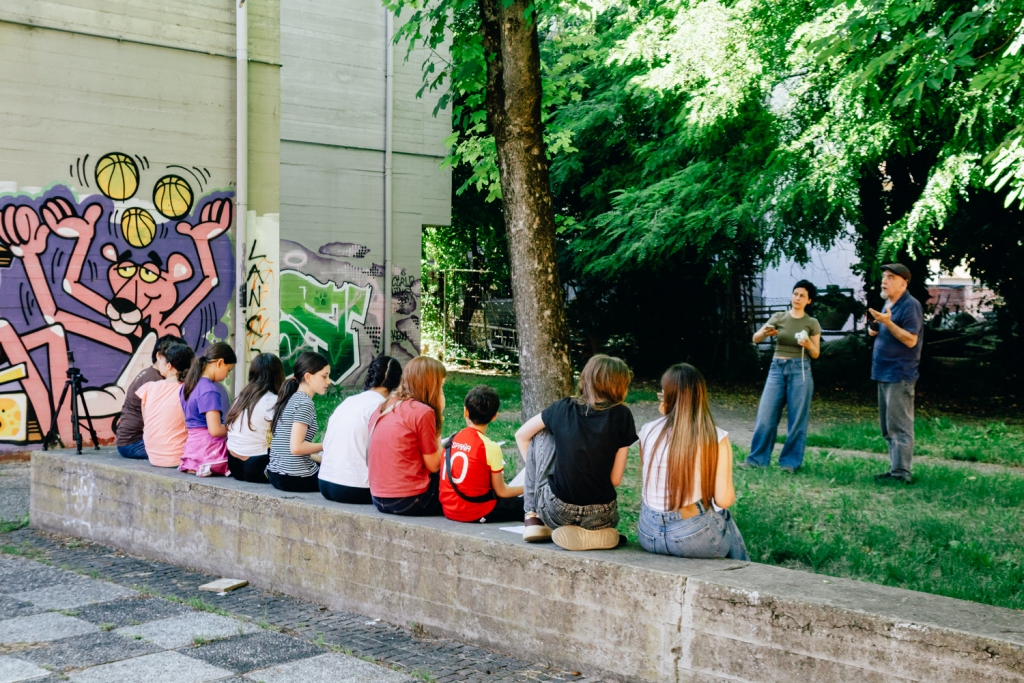
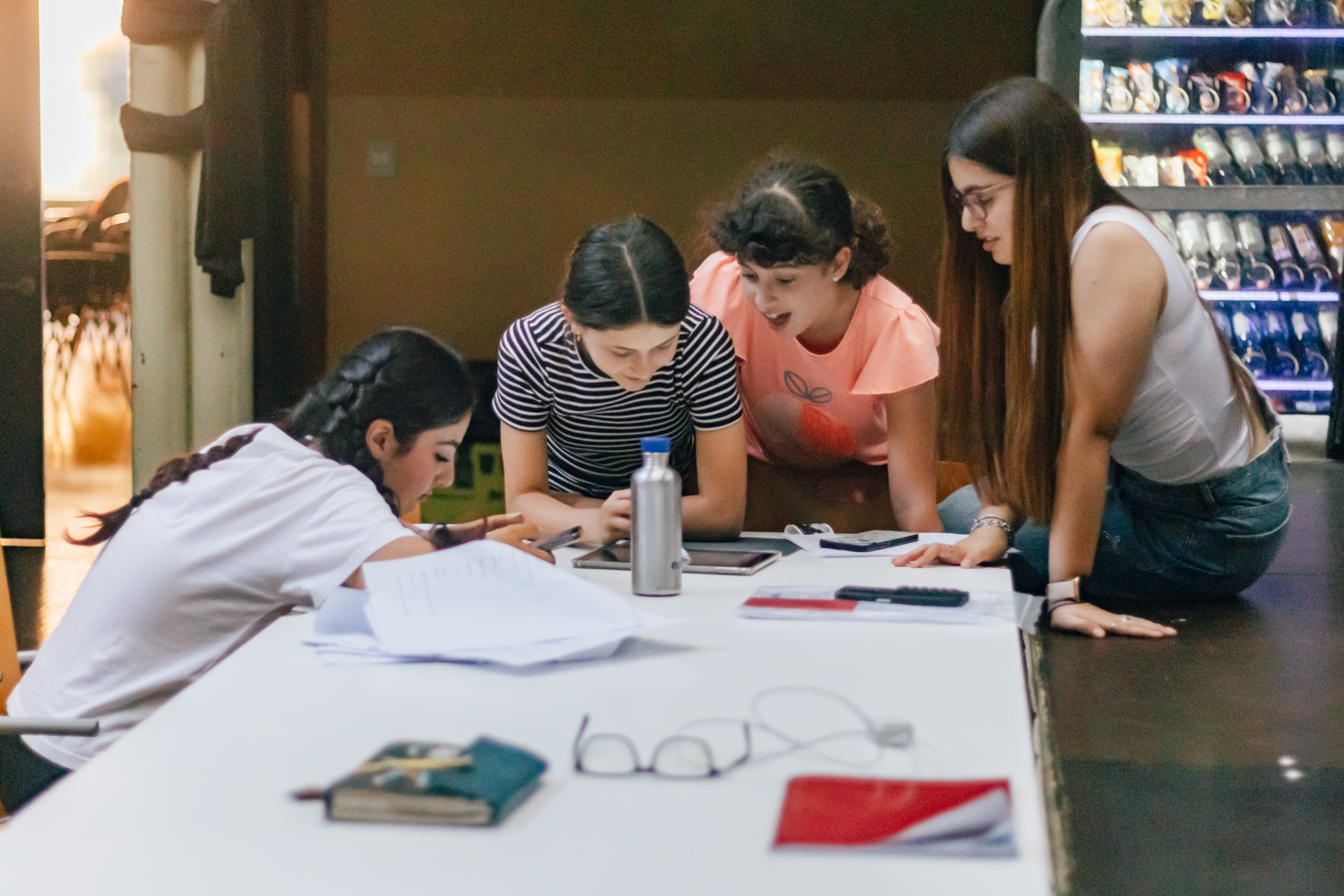
In Kyiv, the programme was coordinated by Impulse Transformation Platform and took place at the National University of Ukraine on Physical Education and Sport. Different groups and artistic disciplines were brought together throughout the programme, creating a space where participants could move between different ways of making and communicating.
Starting with the body
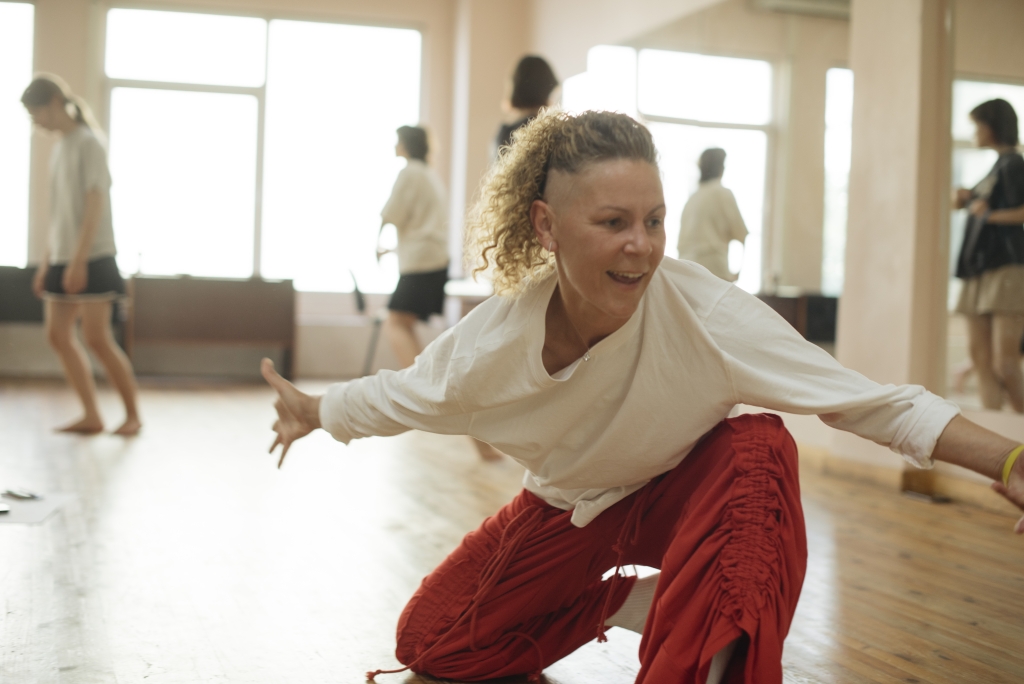
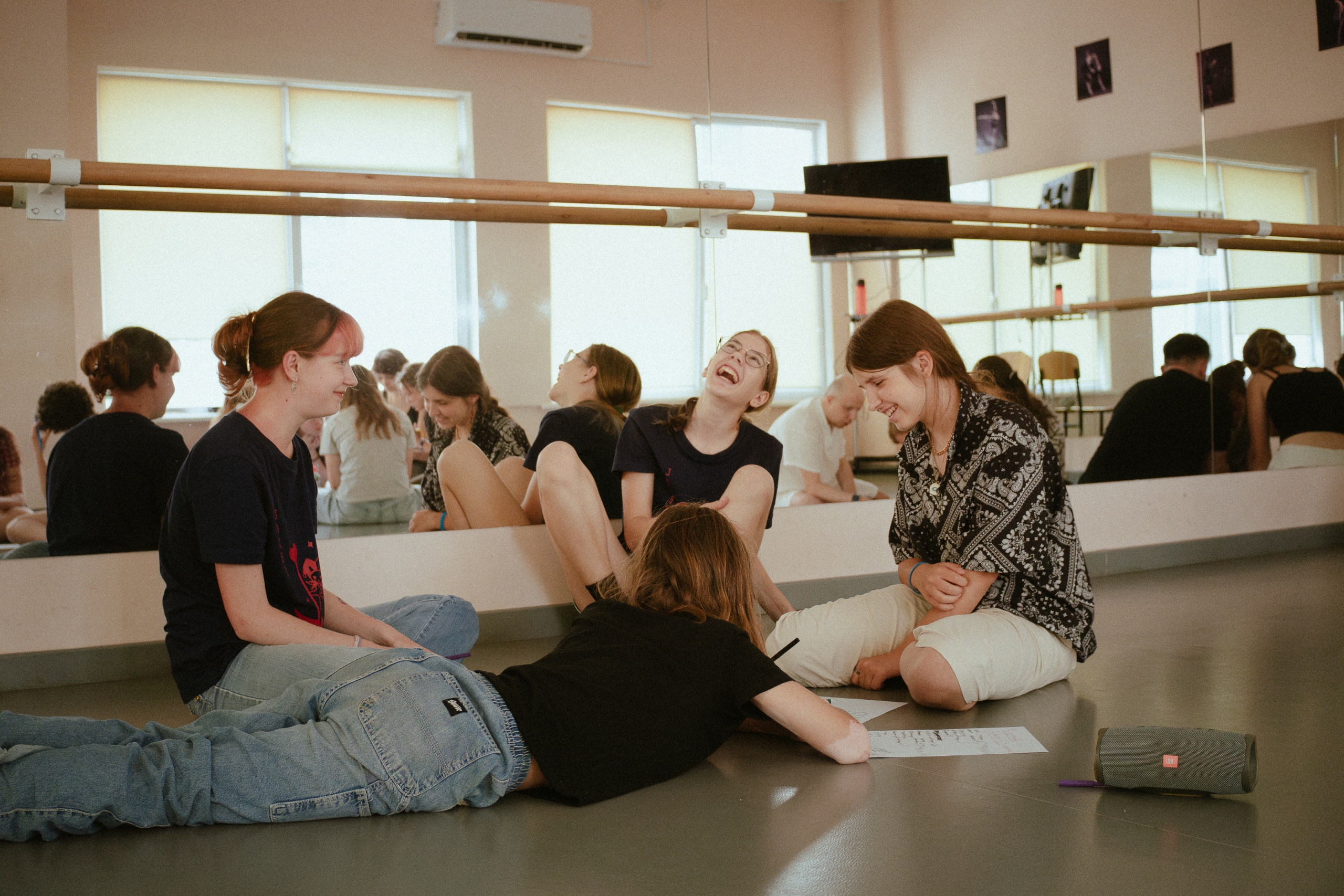
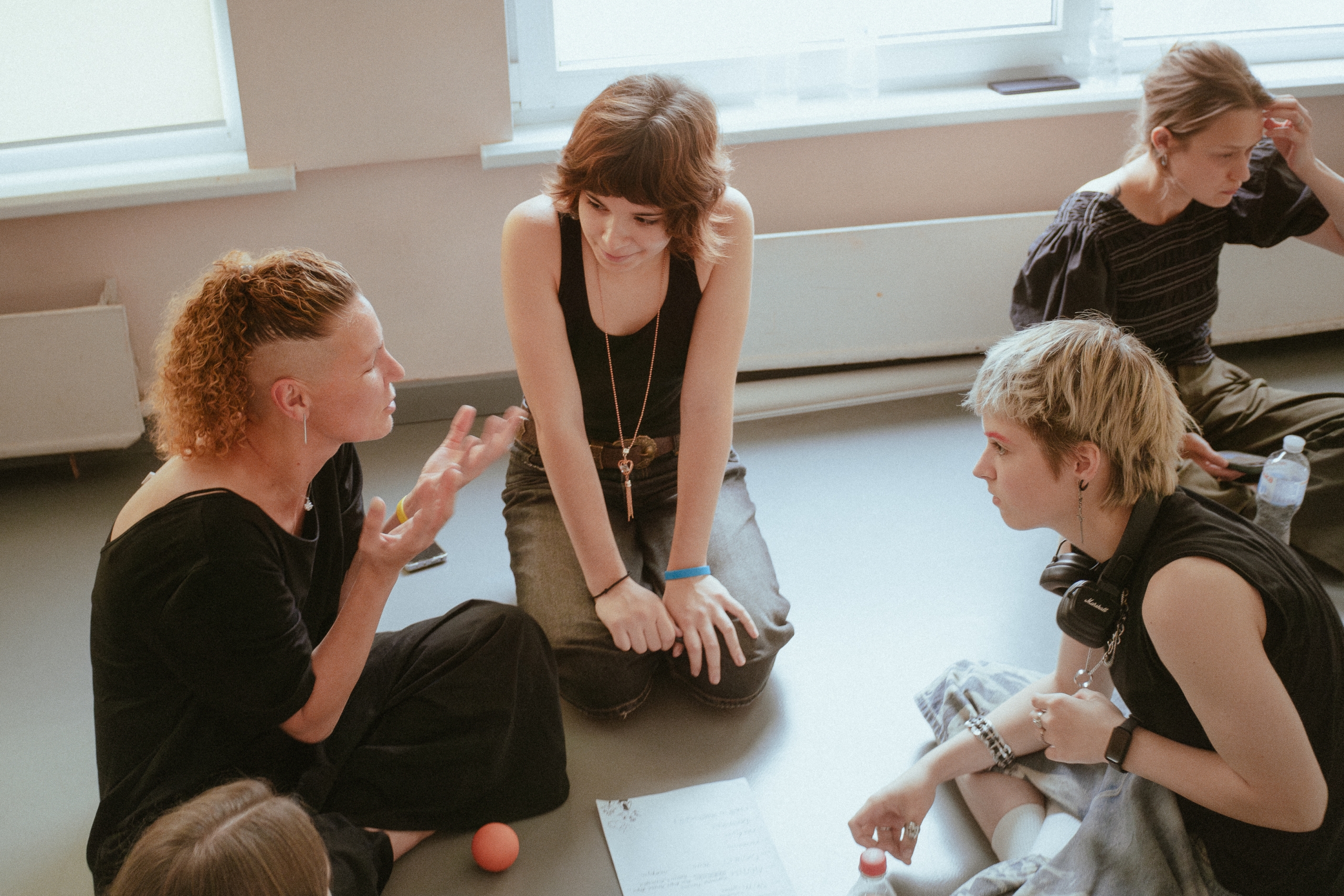
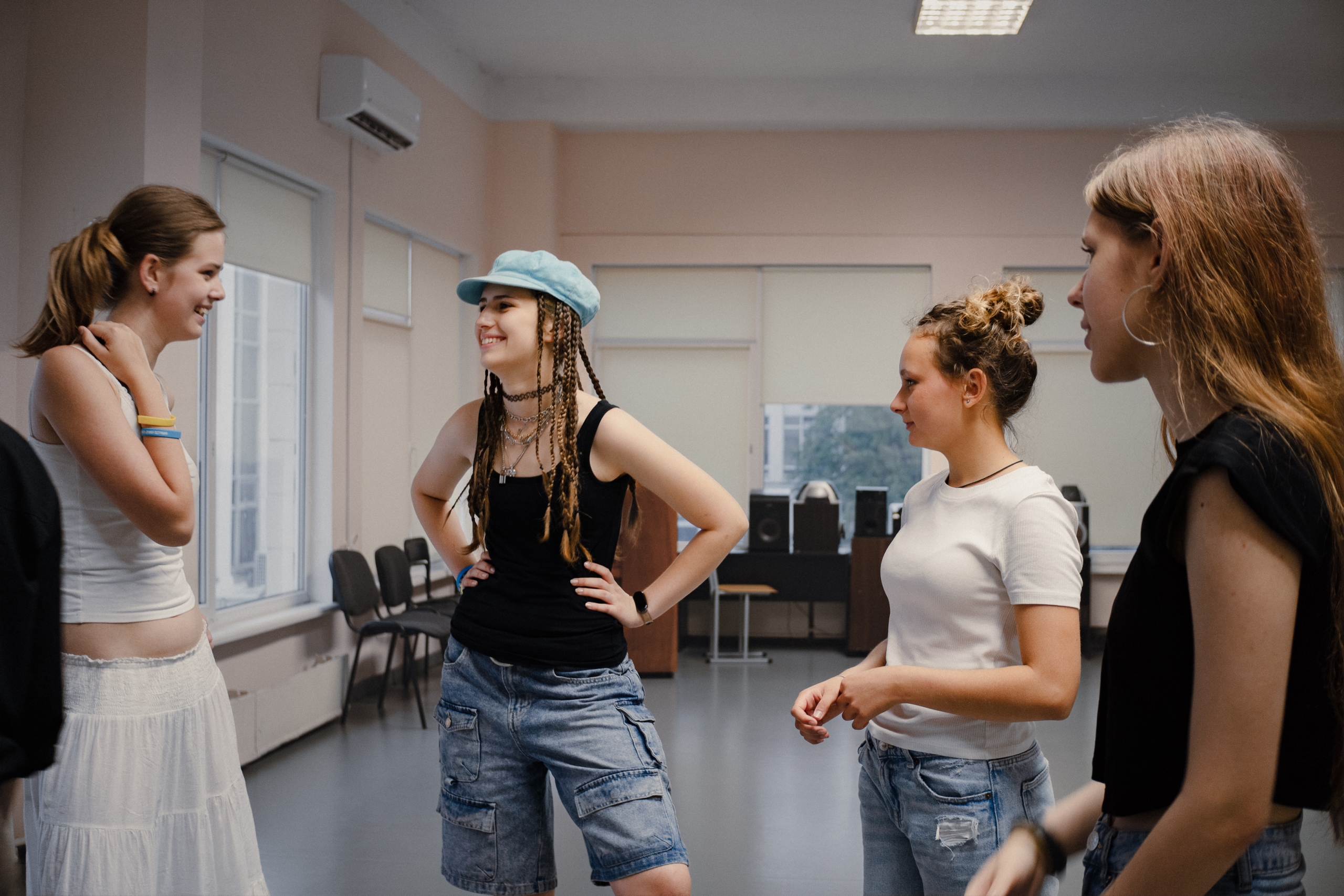
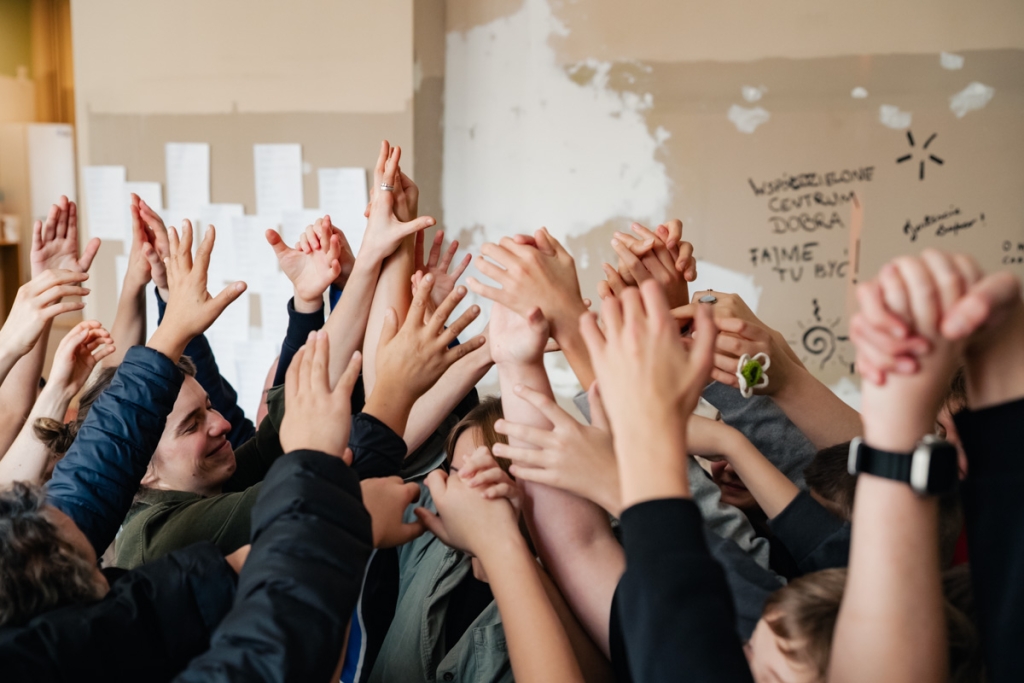
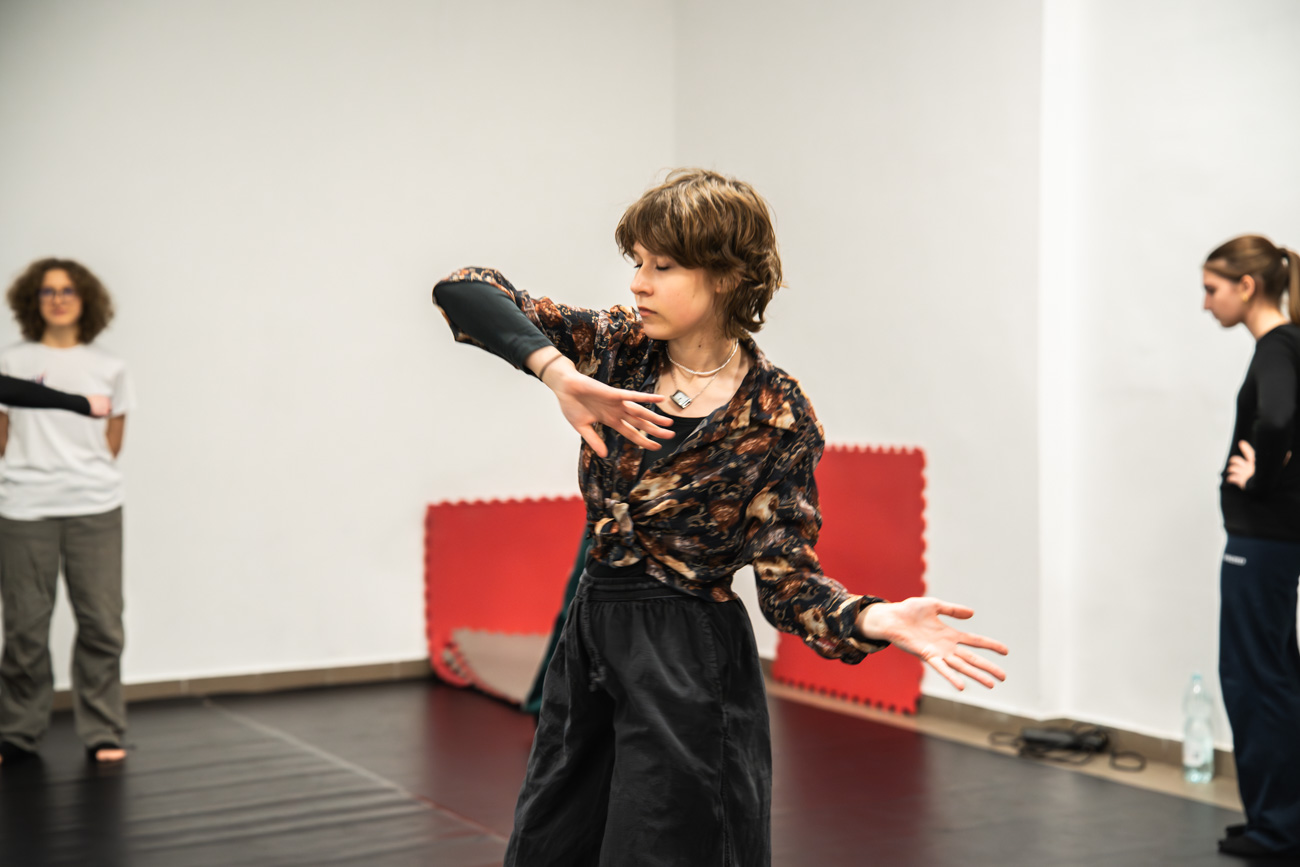
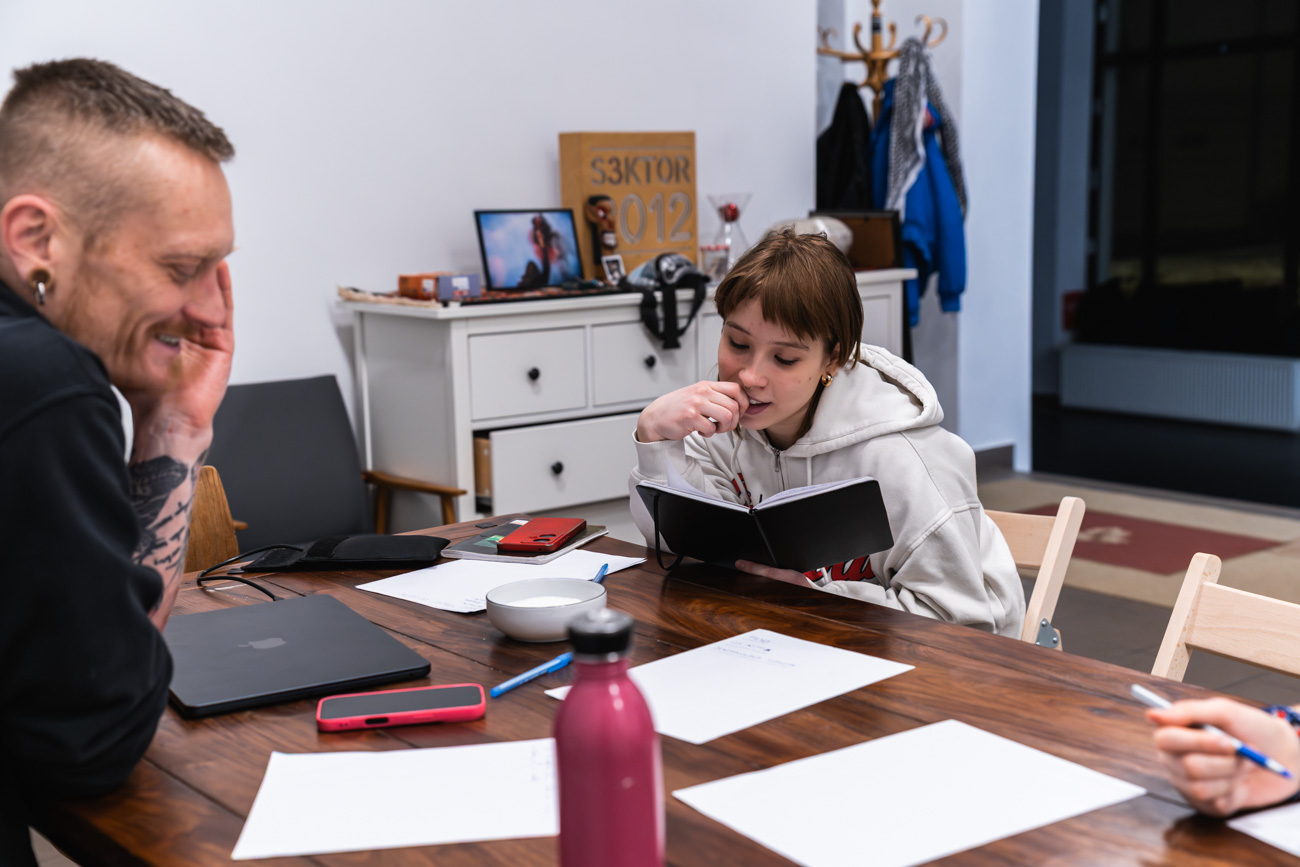
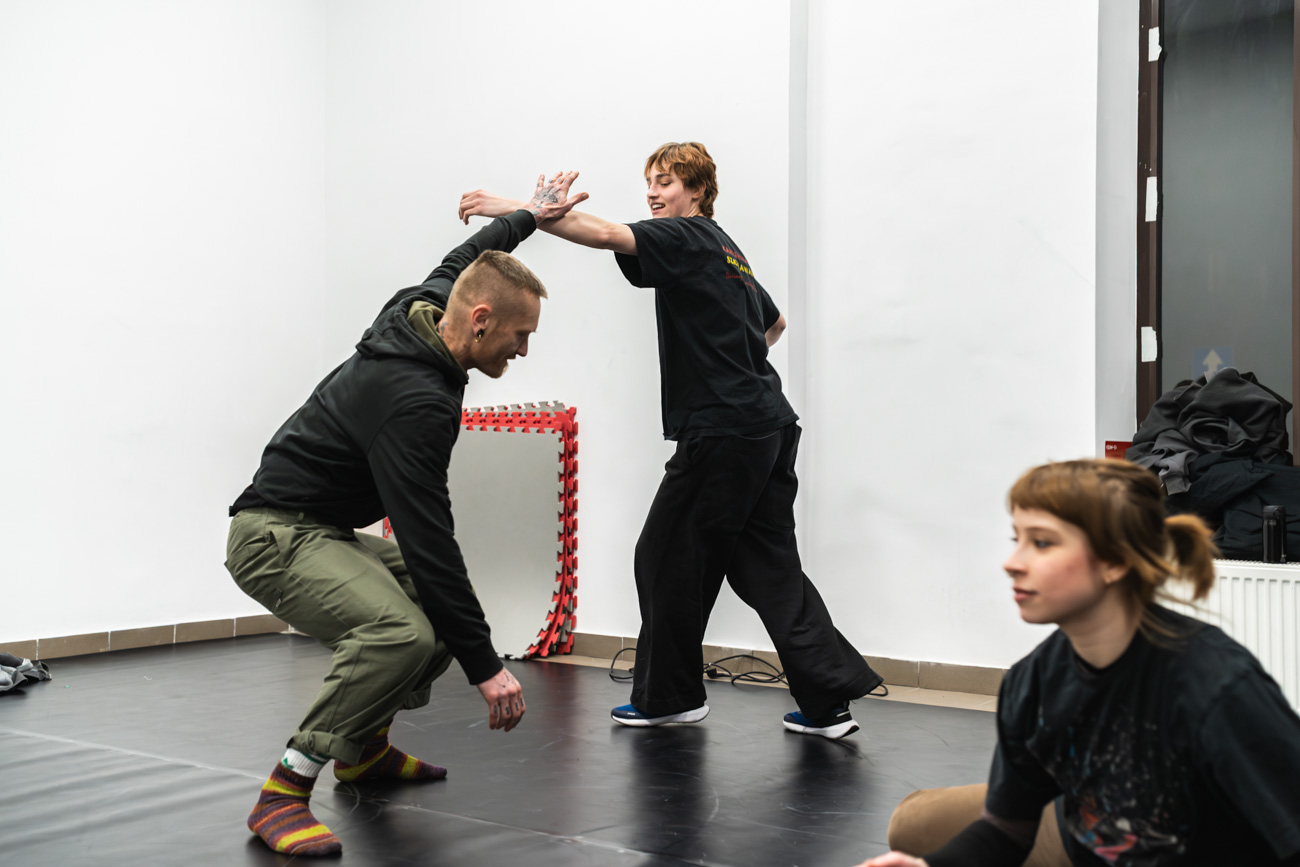
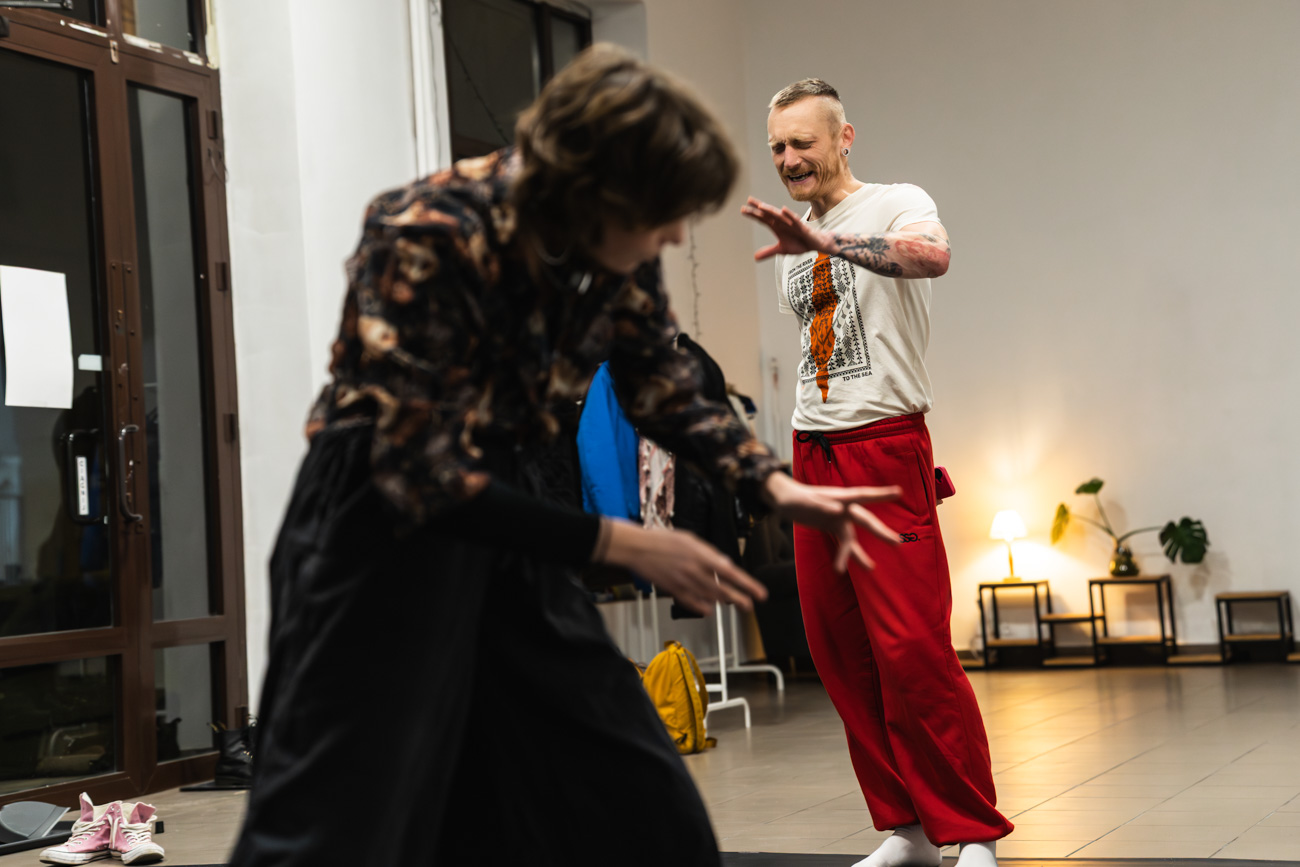
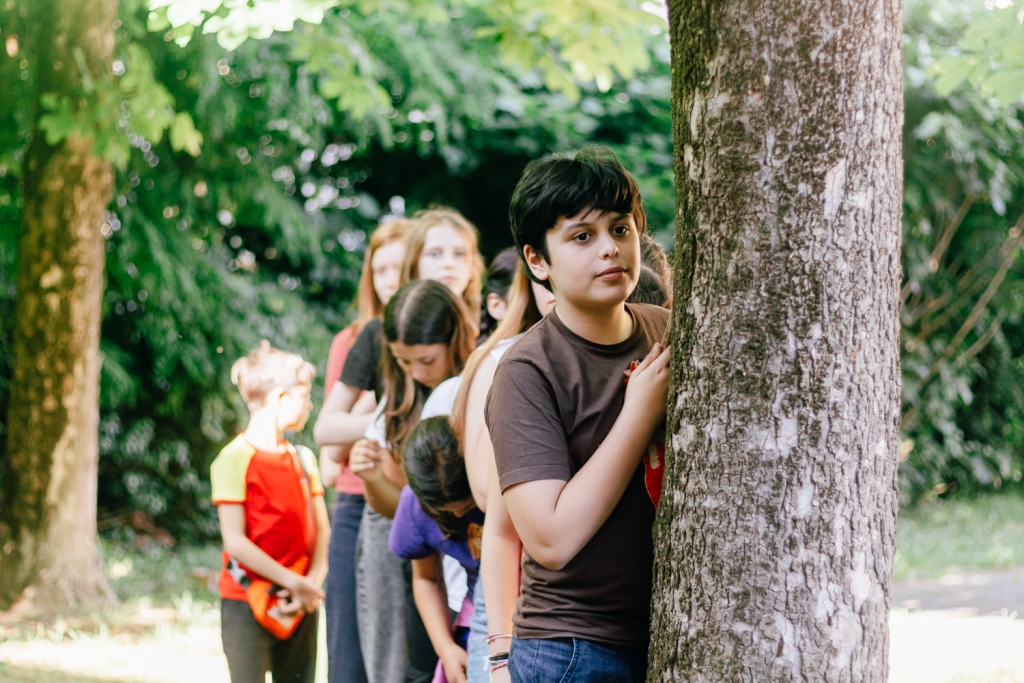
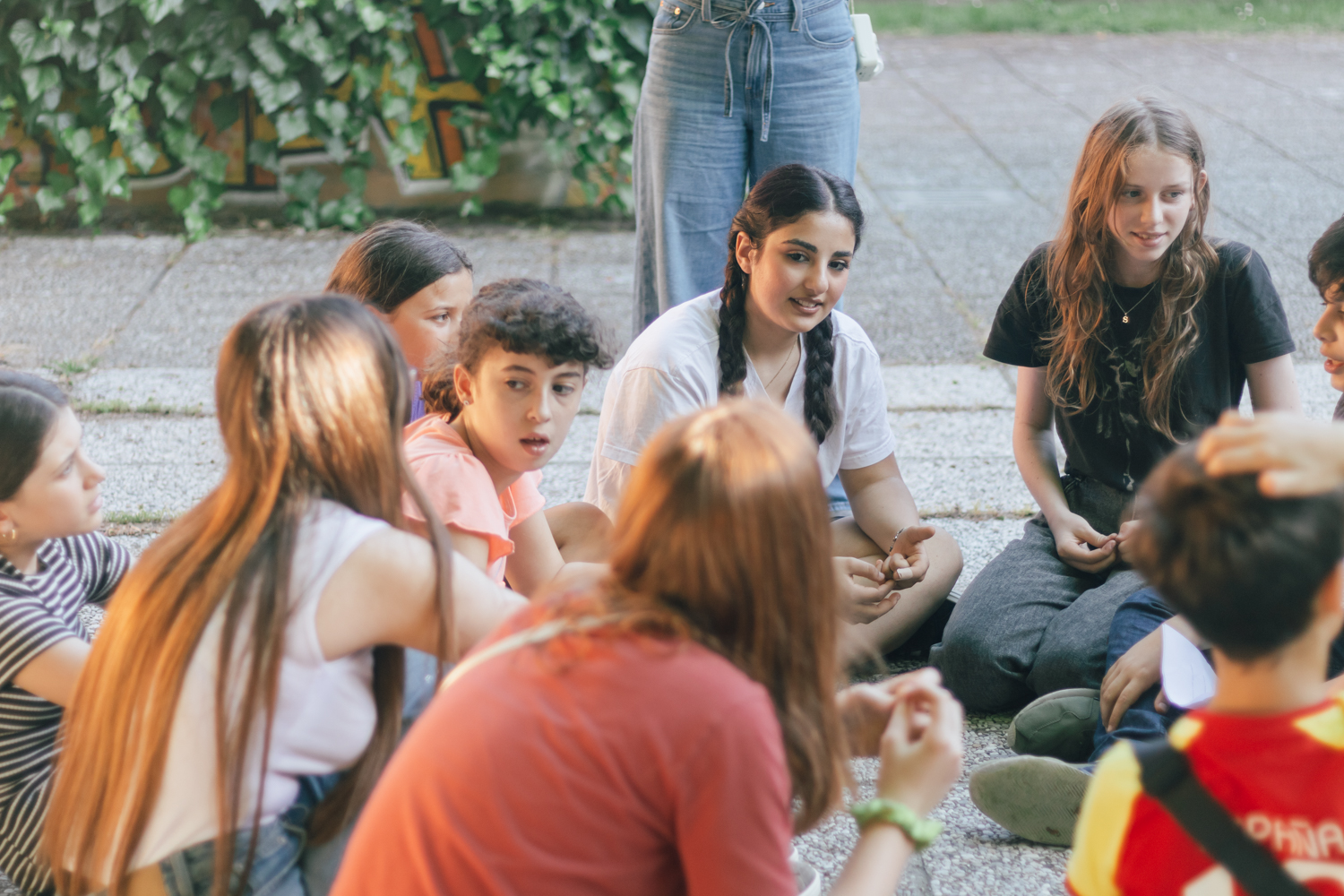
The creative process began with the body. Breathing, movement, bodily awareness, contact, mutual attention and non-verbal communication were used as ways of helping participants become present and attentive to one another. These practices were not simply warm-up exercises. They created a foundation for collaboration, allowing participants to explore what it means to communicate without words and to become aware of their own bodies and the people around them. From there, the workshops moved into different artistic languages. In “Performative Drawing: Body in Tension”, bodily sensations and movement were translated into automatic drawings and performative scores. The body became a starting point for making something visible.
When sound becomes an image
Music and sound were another central part of the Kyiv programme.
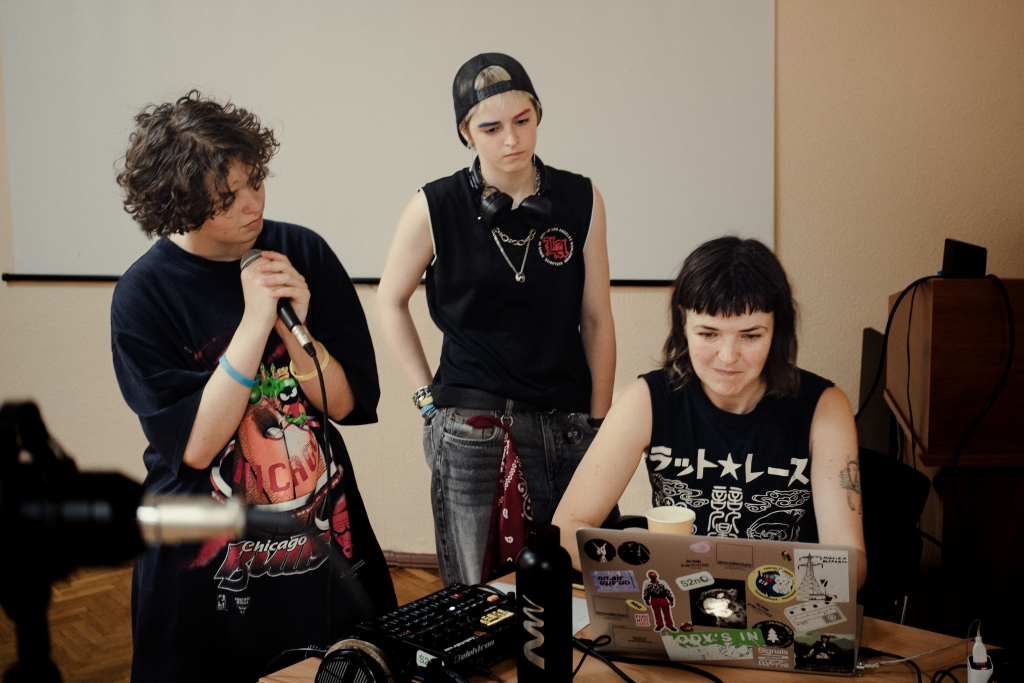
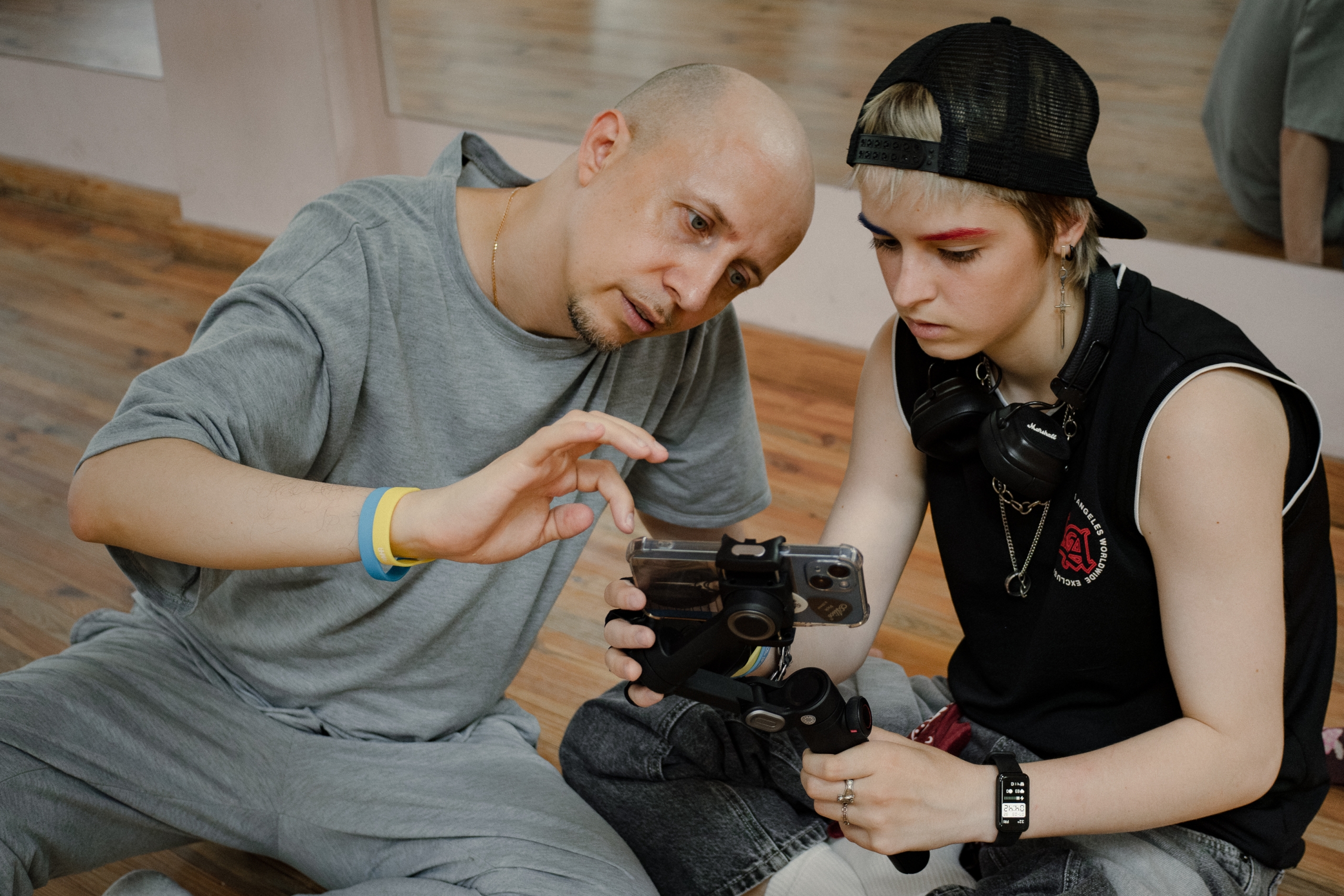
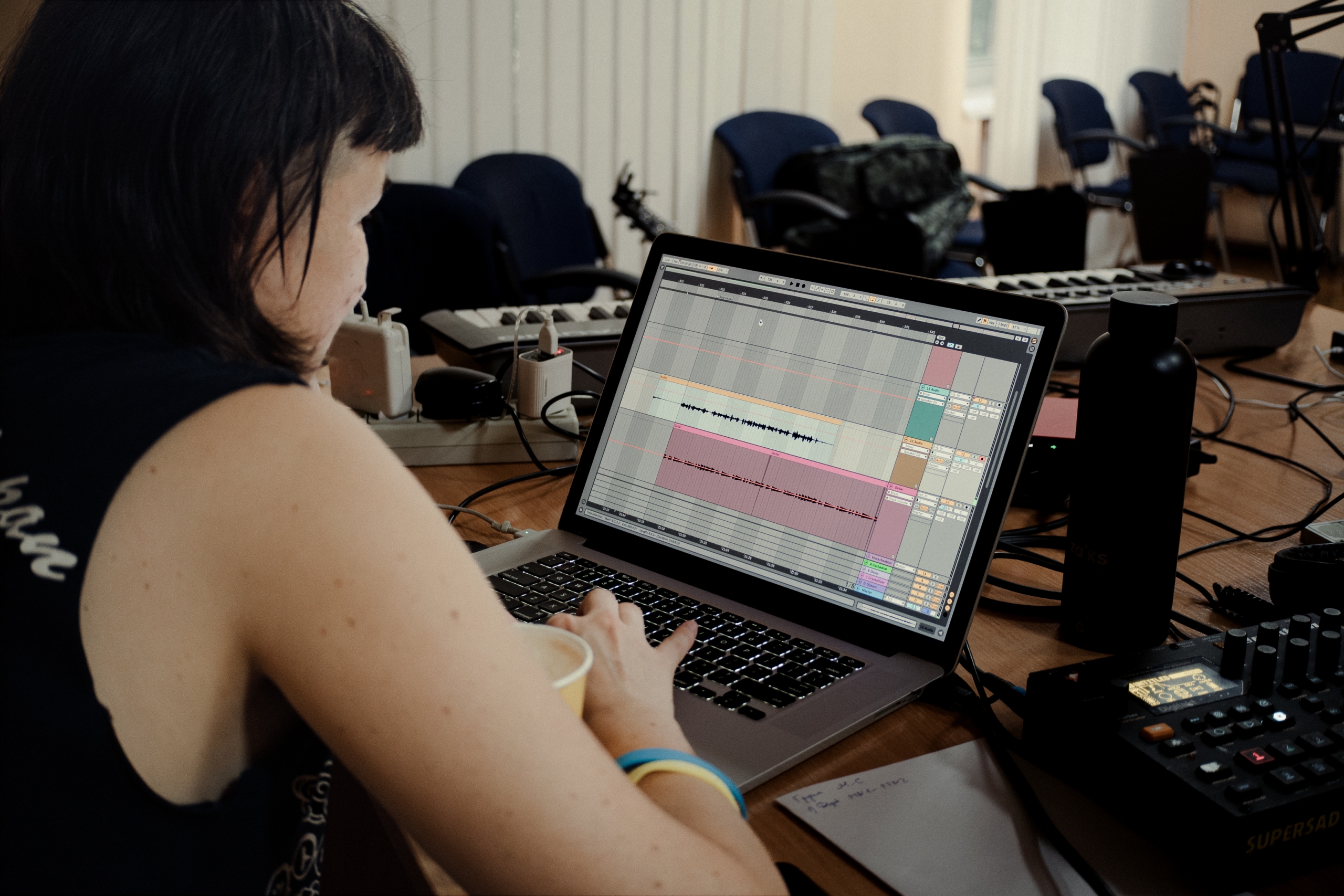
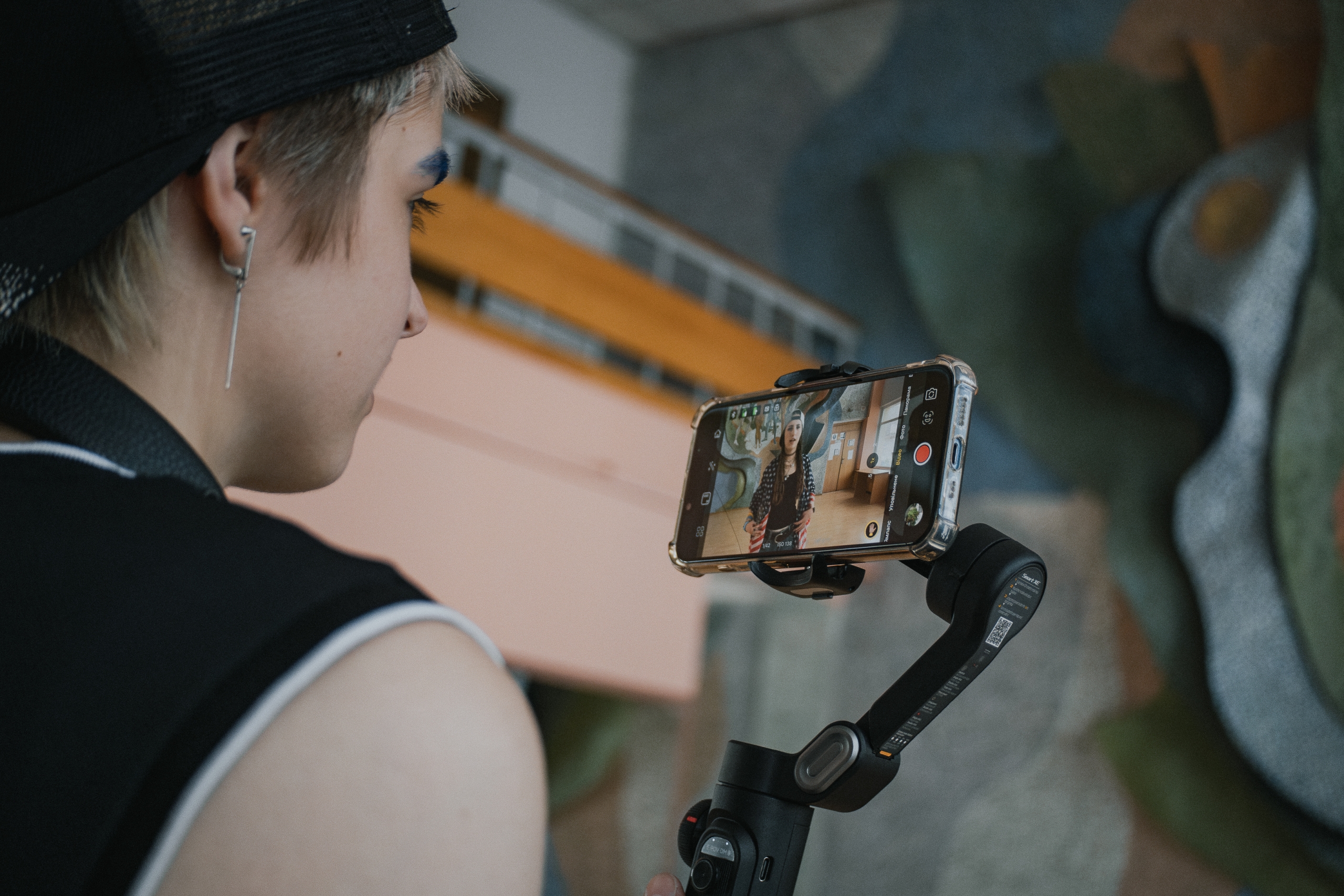
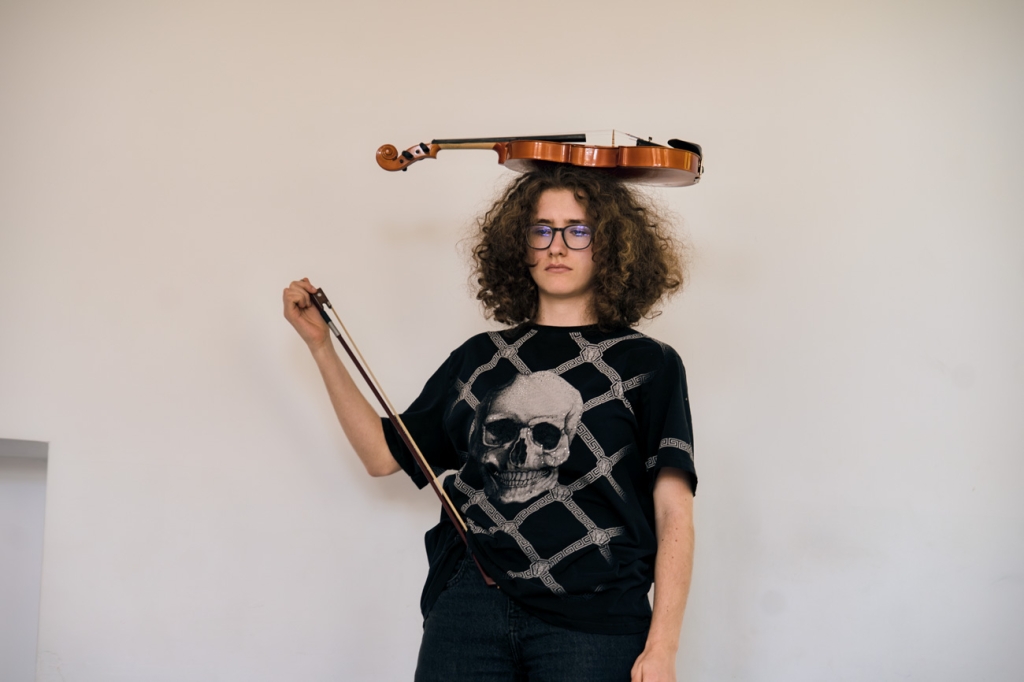
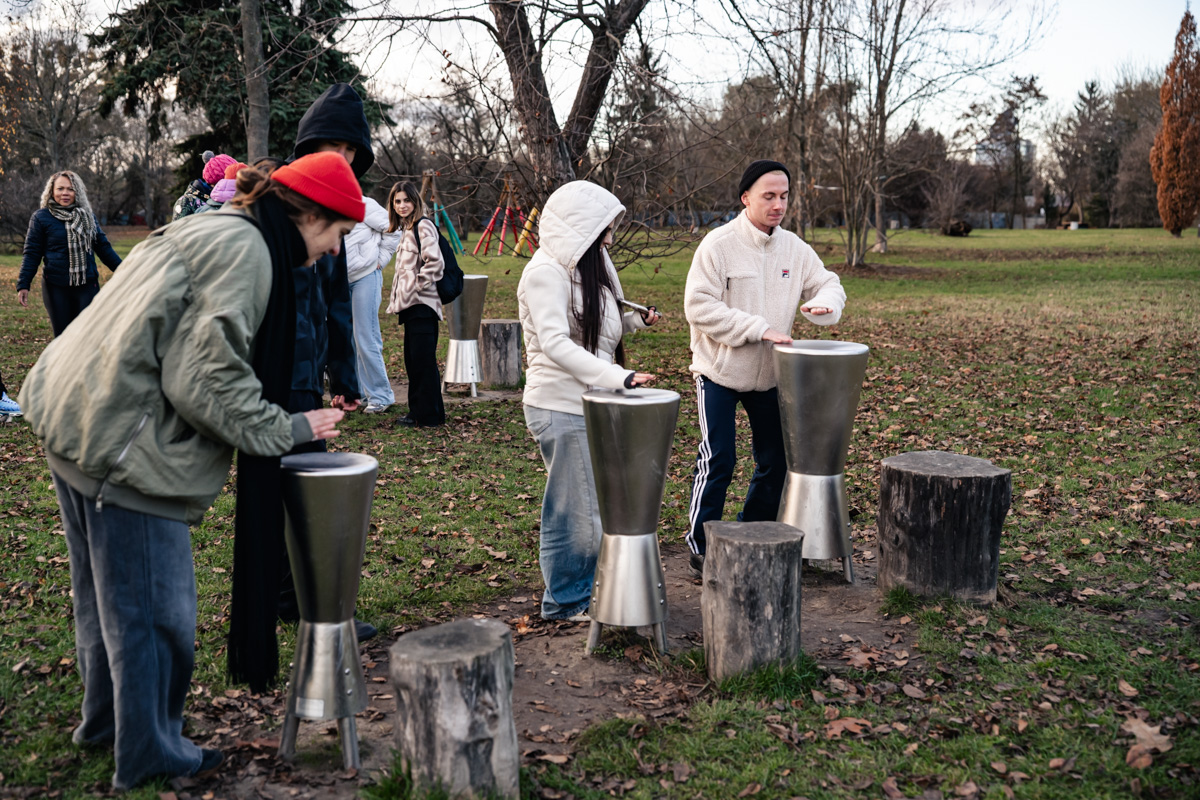
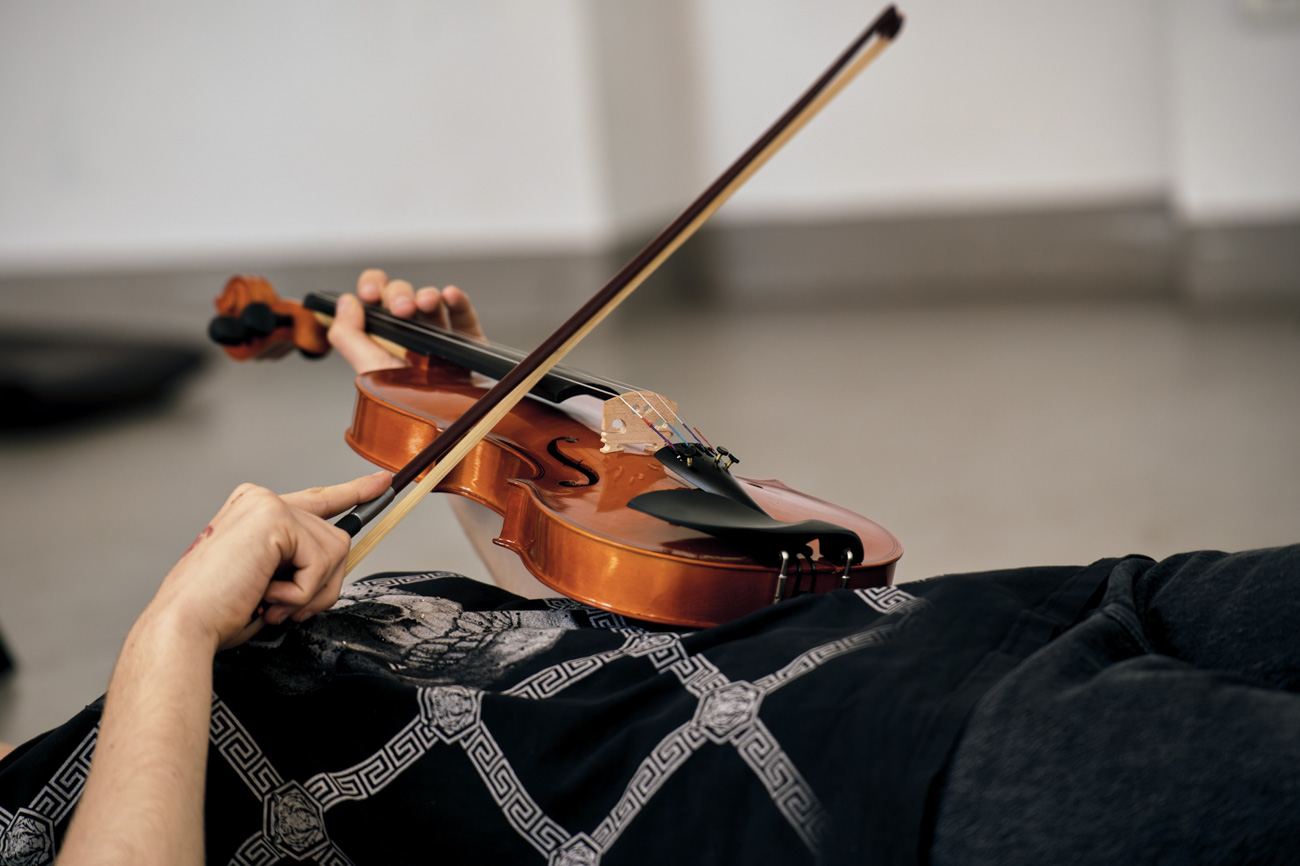
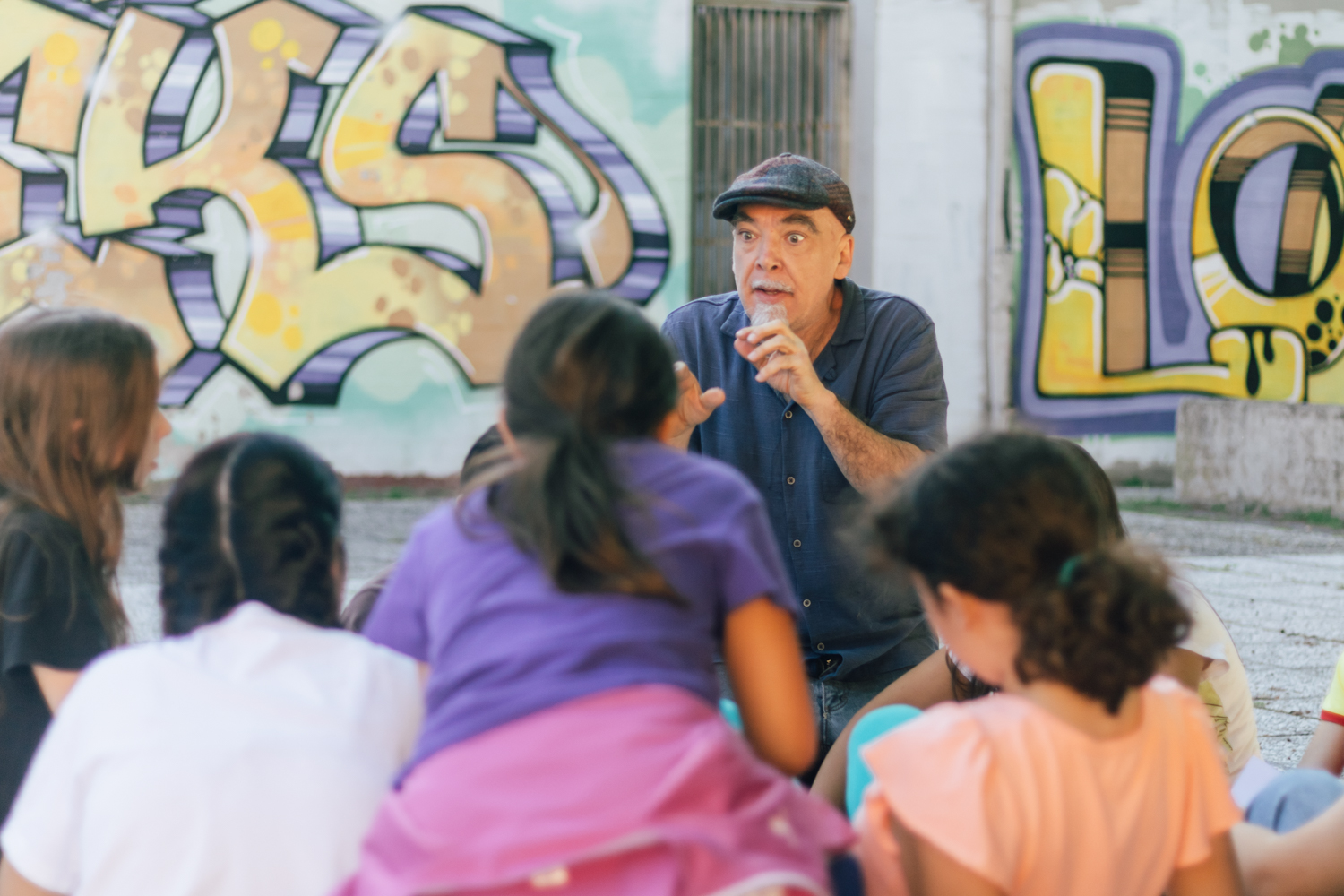
Participants experimented with voice, body percussion, instruments and synthesisers, developing collective compositions without necessarily working towards a predetermined artistic result. For some participants, this open-ended approach eventually led to a music video, with young people contributing to the lyrics, arrangement and visual structure. Other workshops explored filmmaking through documentary observation, interviewing, framing, fiction and collaborative audiovisual production.
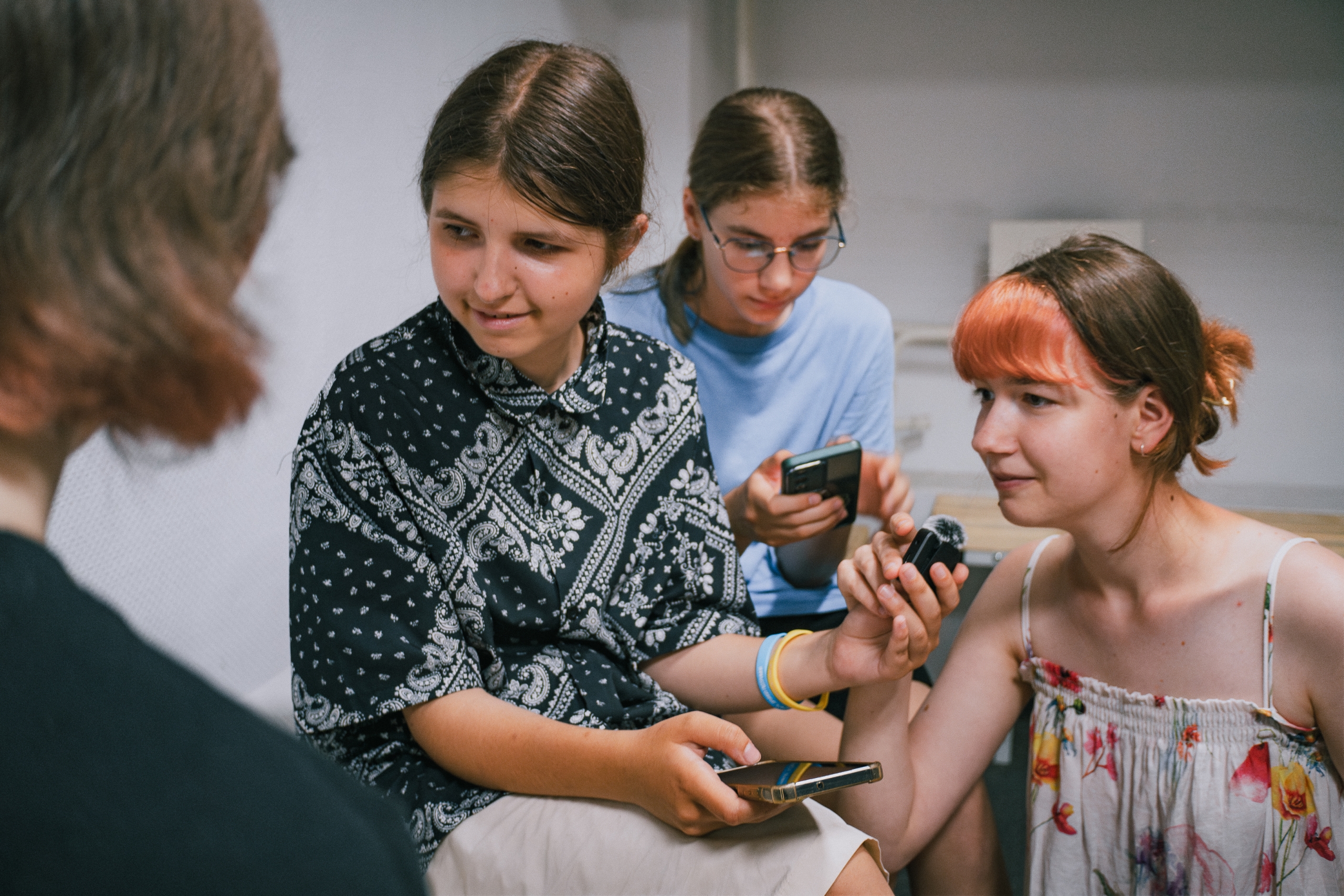
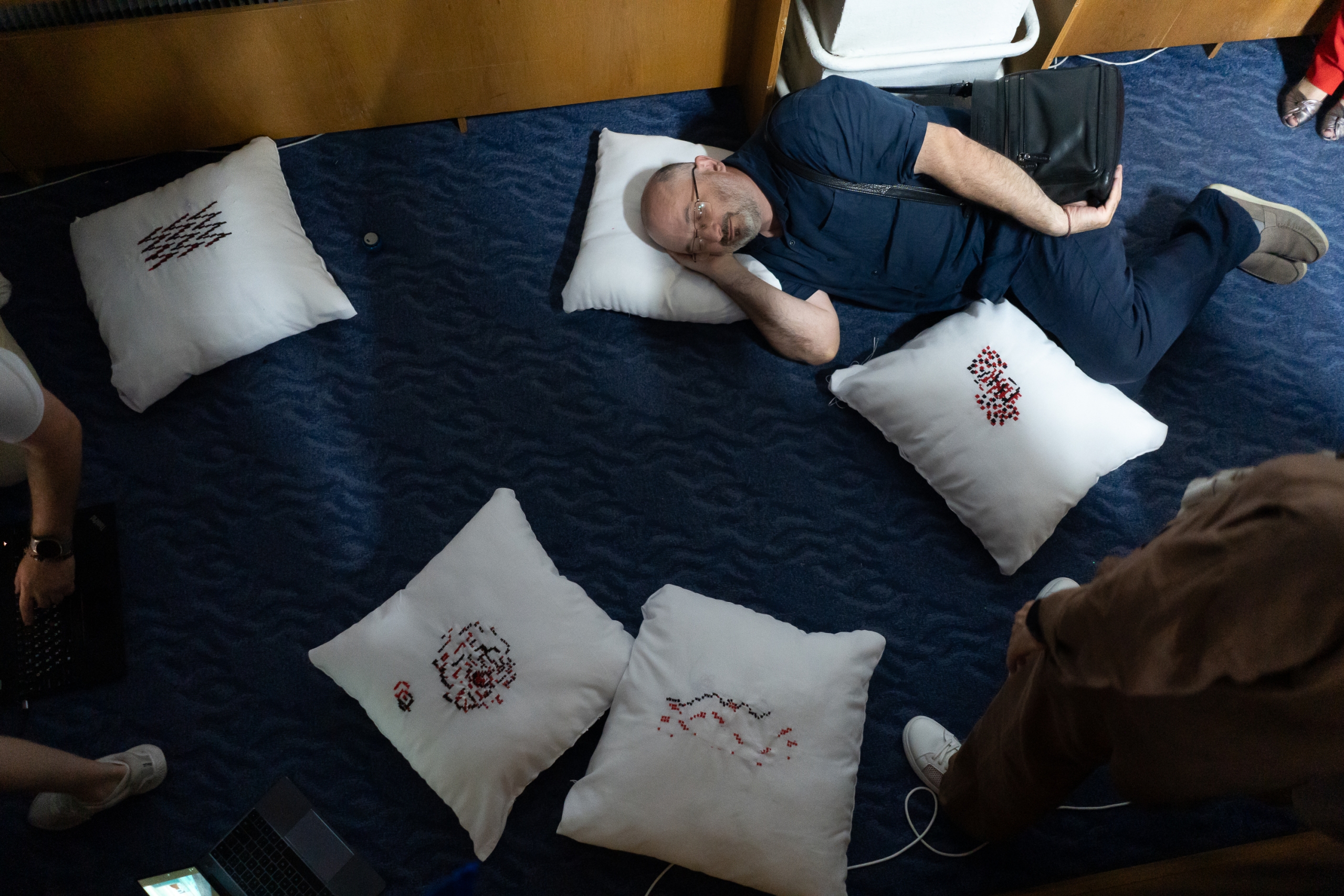
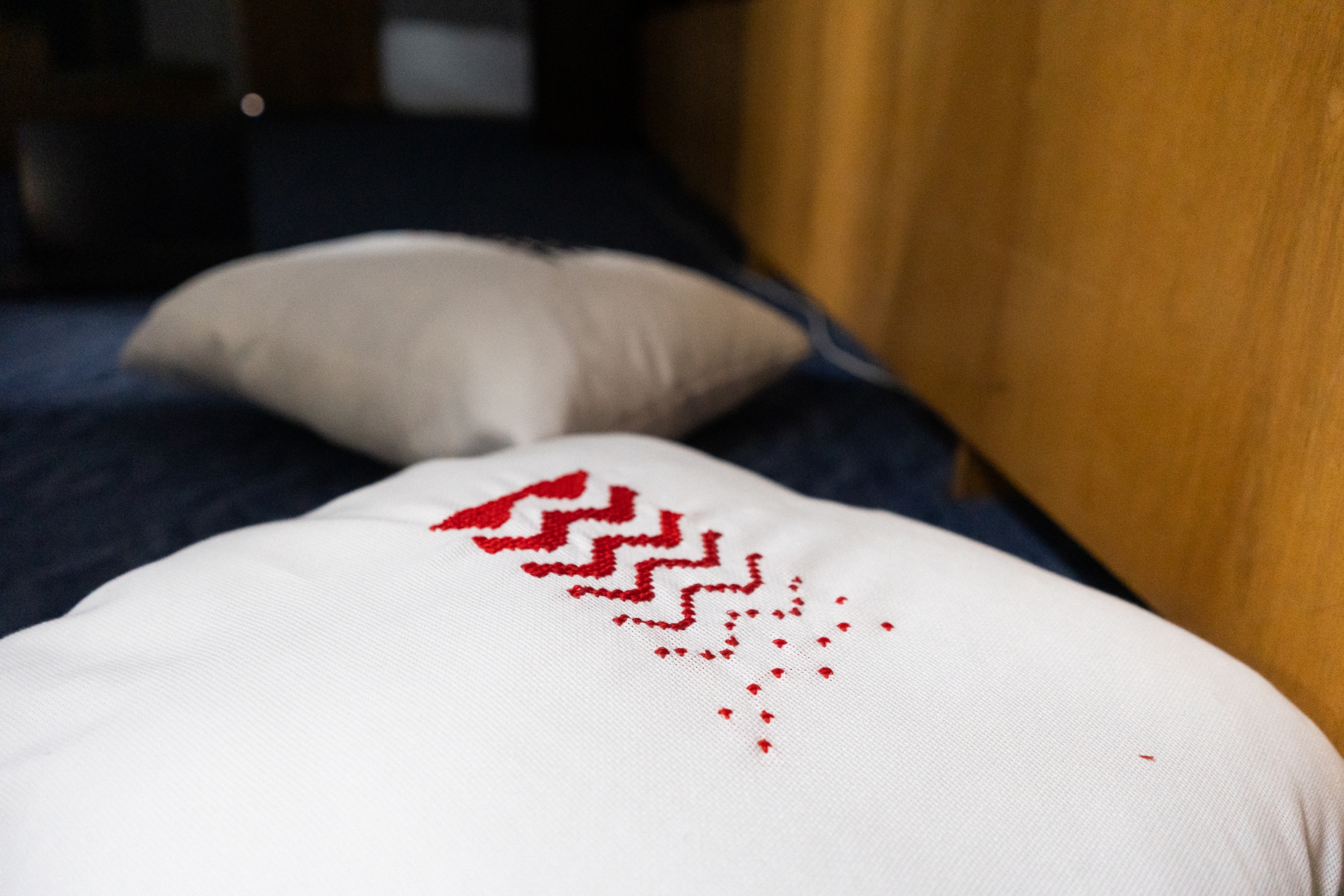
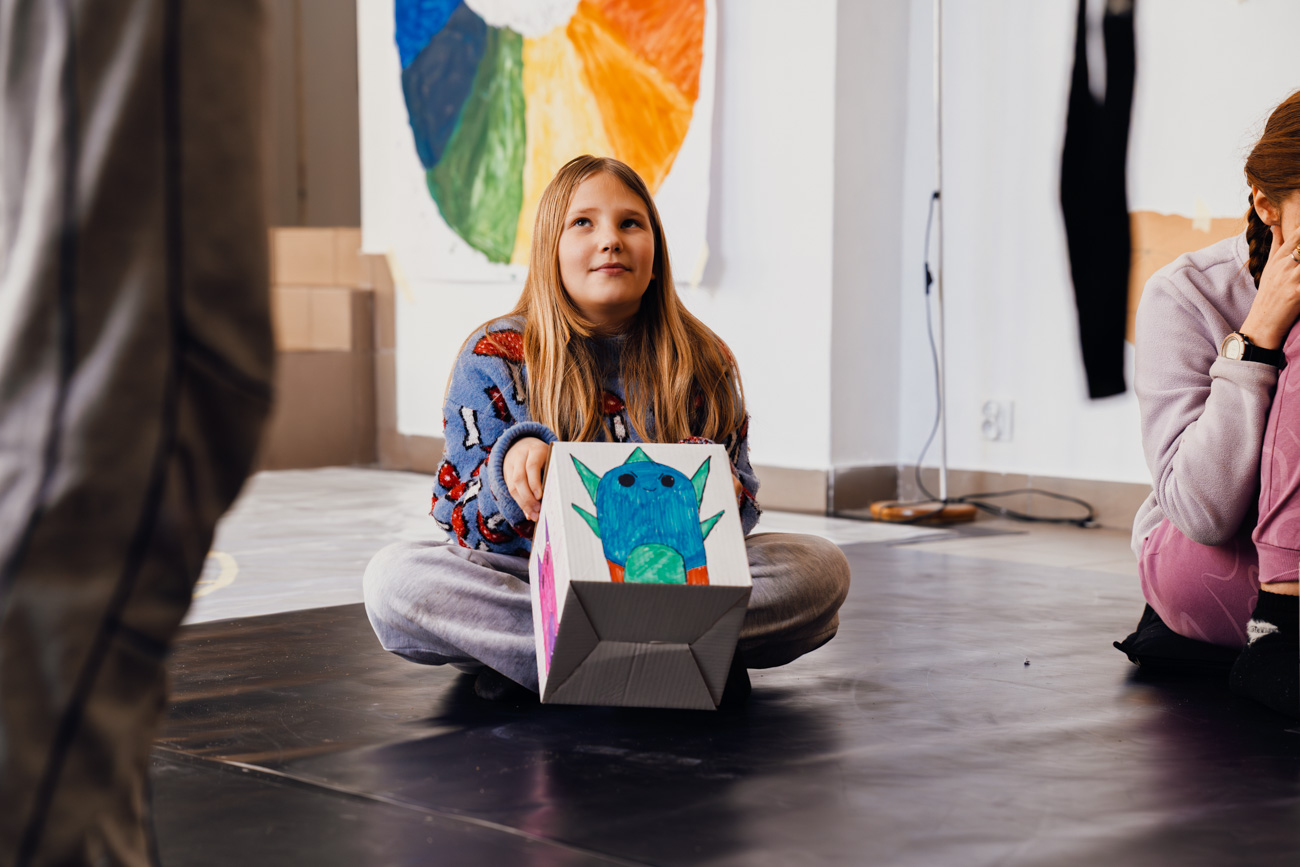
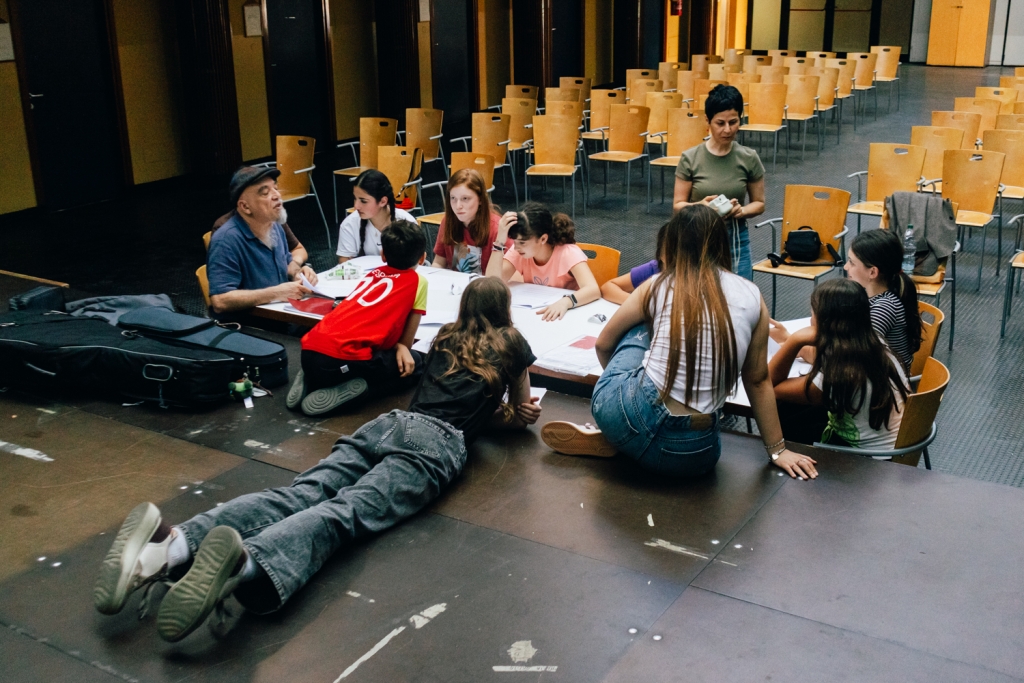
The different disciplines did not remain separate. They began to overlap and transform one another. One particularly striking example involved recording sounds from different environments in Kyiv, including a swimming pool and a sports hall. The participants edited these recordings and translated the sounds into visual compositions. These drawings were then transformed into patterns inspired by Ukrainian embroidery and used to create handmade pillows. Sound became image. Image became pattern. Contemporary artistic experimentation met traditional Ukrainian craft.
From hesitation to participation
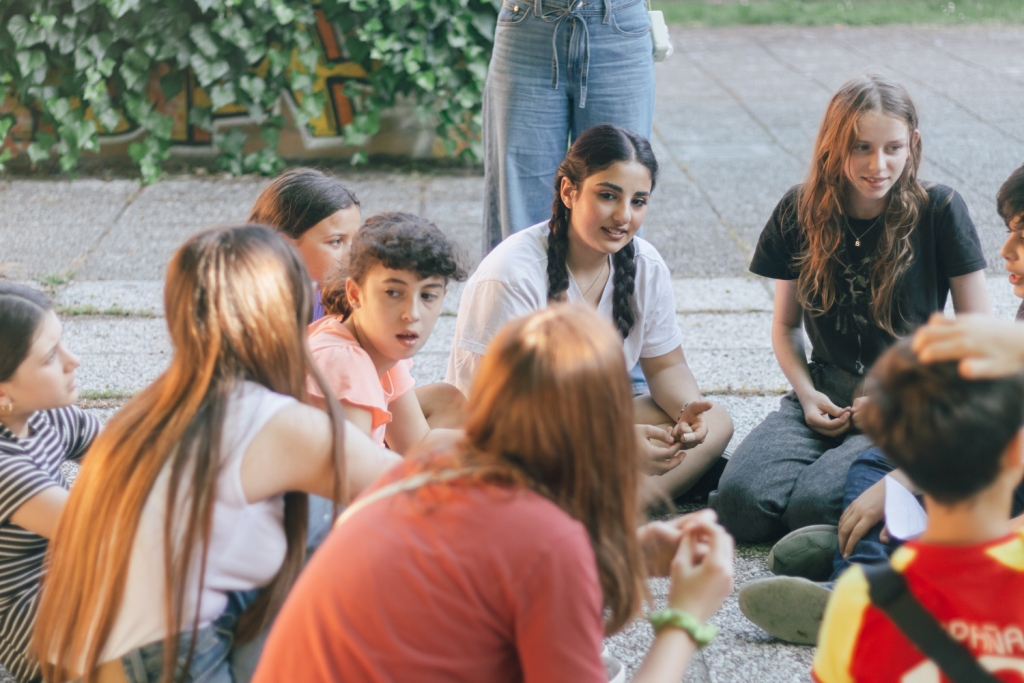
As in the other cities, the workshop programme in Kyiv showed that participation is a process rather than a starting condition. Some young people were initially distant from the group or unsure about collaborative activities. Others found it difficult to decide between different artistic possibilities.
Over time, the evaluation recorded examples of participants becoming more involved, taking greater ownership of creative decisions and becoming more willing to work with others.
One teenager who initially kept himself apart gradually began participating in improvisation and recording sessions, eventually contributing vocals and synthesiser to a group song. His involvement developed slowly, through concrete opportunities to take part and find a place within the collective process.
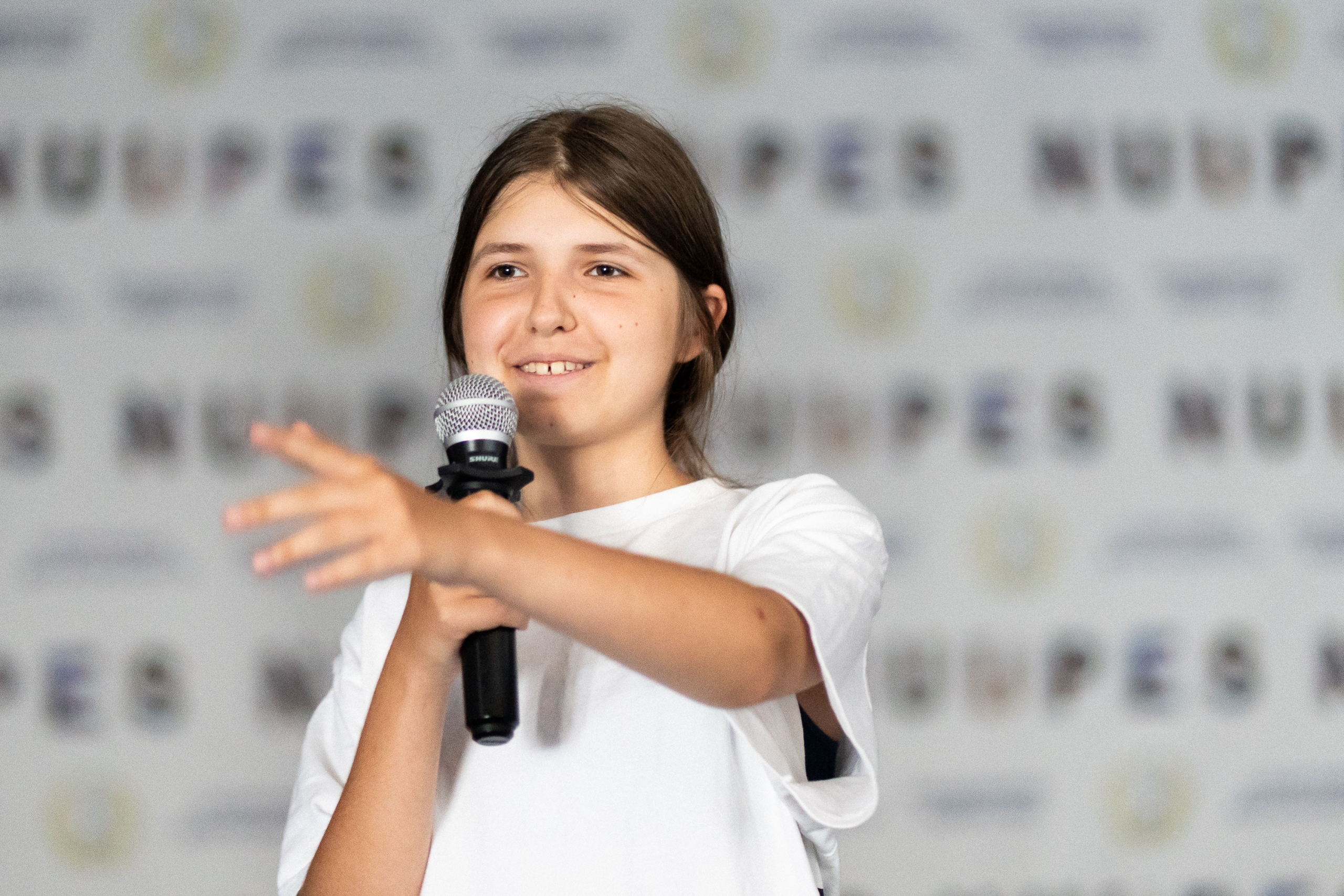
Other participants took increasing responsibility for creative decisions. In the development of a sound installation, for example, young people moved from relying on facilitator guidance to making their own decisions. One participant who had initially doubted her ability with unfamiliar instruments eventually took responsibility for recording missing parts of a song, trusting her own creative instincts.
These examples show that artistic participation can create opportunities for young people to experience themselves not simply as learners, but as authors and decision-makers.
Making space for emotions
In Kyiv, the programme also offered moments in which artistic practice became a way of managing difficult emotions.
Drawing and movement were described as helping participants temporarily move beyond the emotional impact of distressing experiences. Embroidery and other craft-based activities provided opportunities for concentration and calm.
The changes were sometimes visible in the participants’ behaviour. By the final performance, facilitators observed less awkwardness and more eye contact between participants compared with the beginning of the programme.
This does not mean that artistic workshops can solve the emotional consequences of war or displacement. The evaluation is careful not to make such a claim. Instead, the evidence suggests that creative activities can provide moments of calm, emotional expression, connection and reduced withdrawal, while the extent of these changes varies between people and contexts.
The final installation: a web of connections
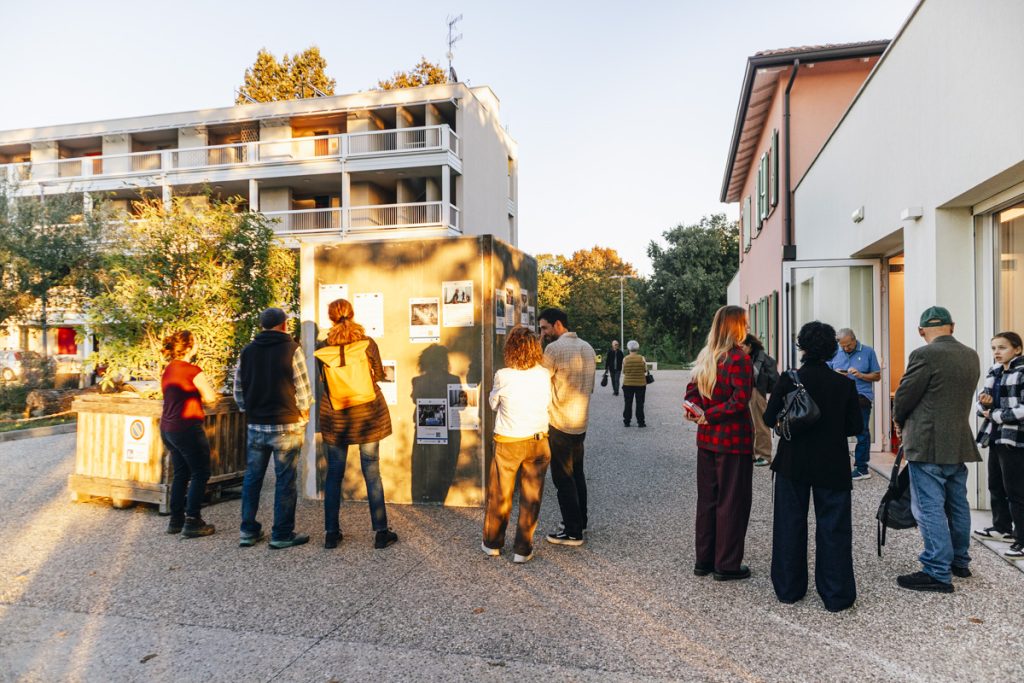
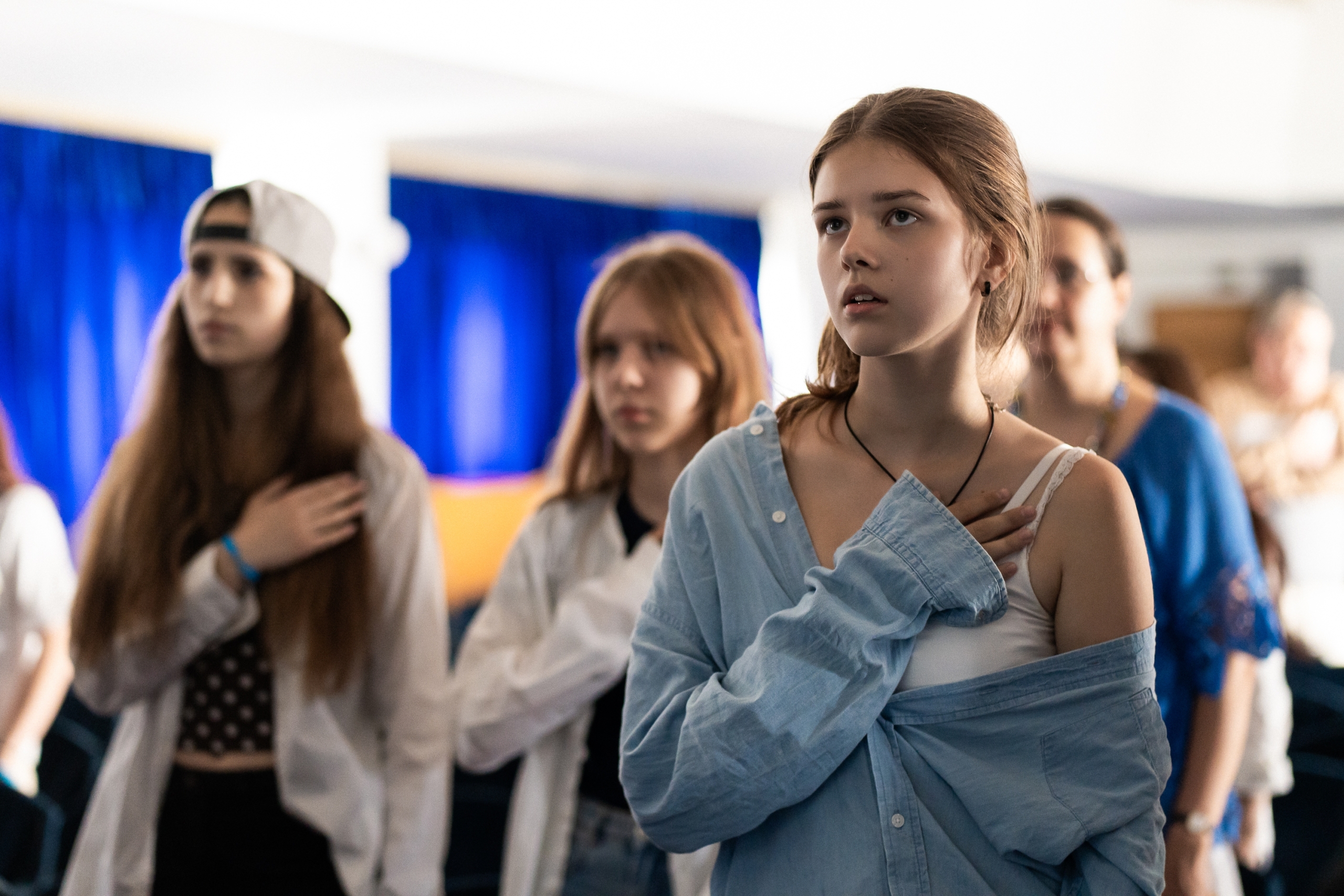
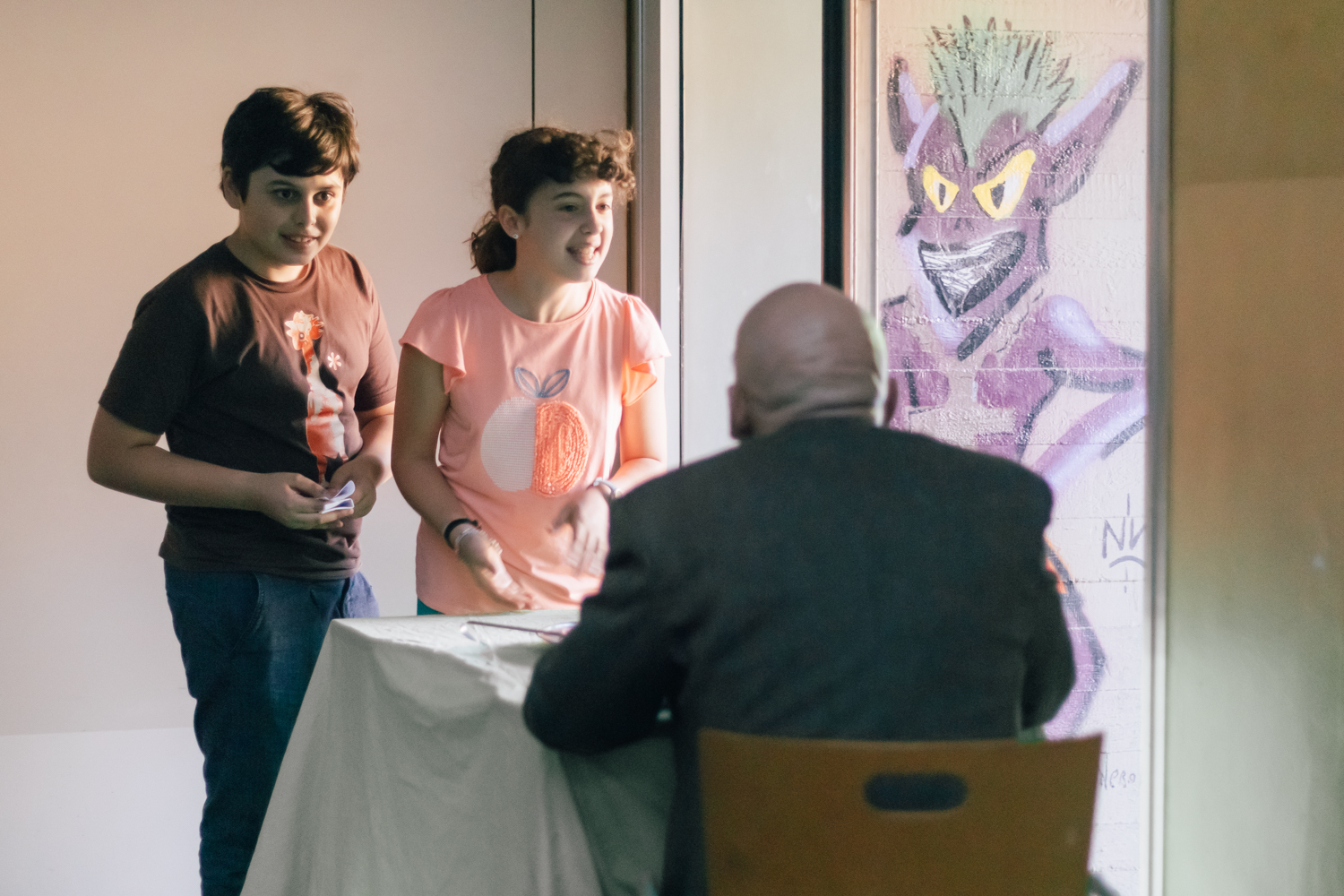
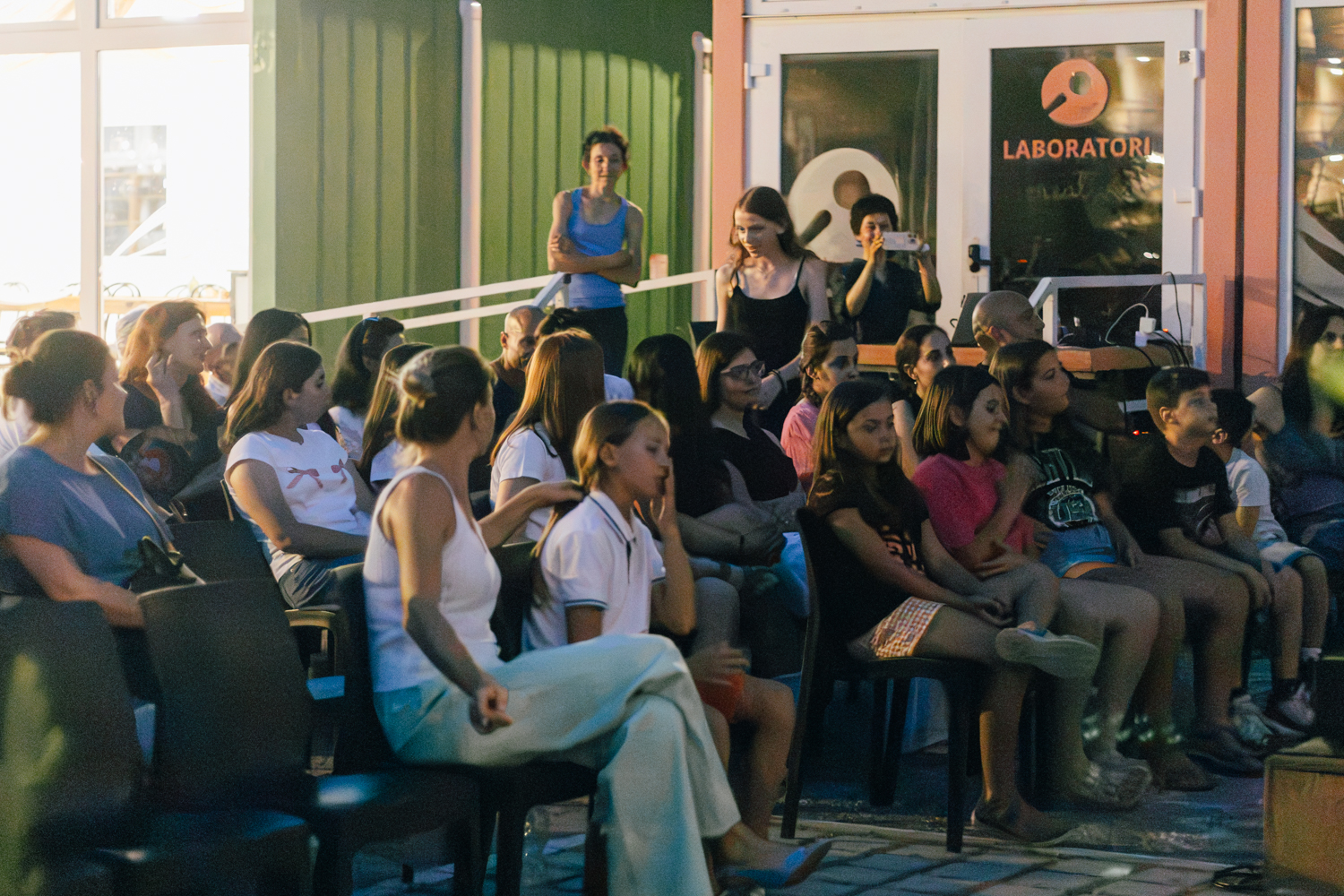
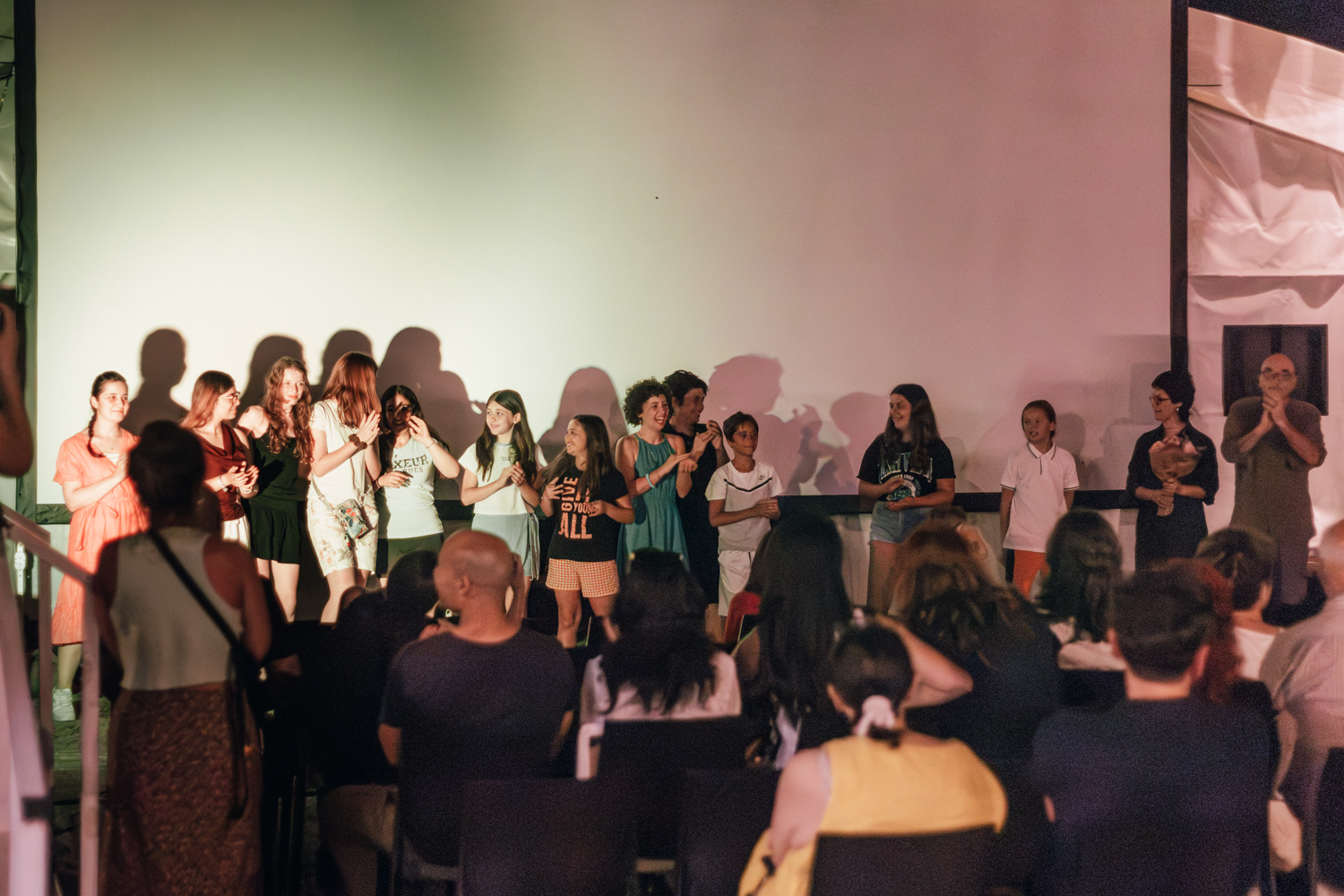
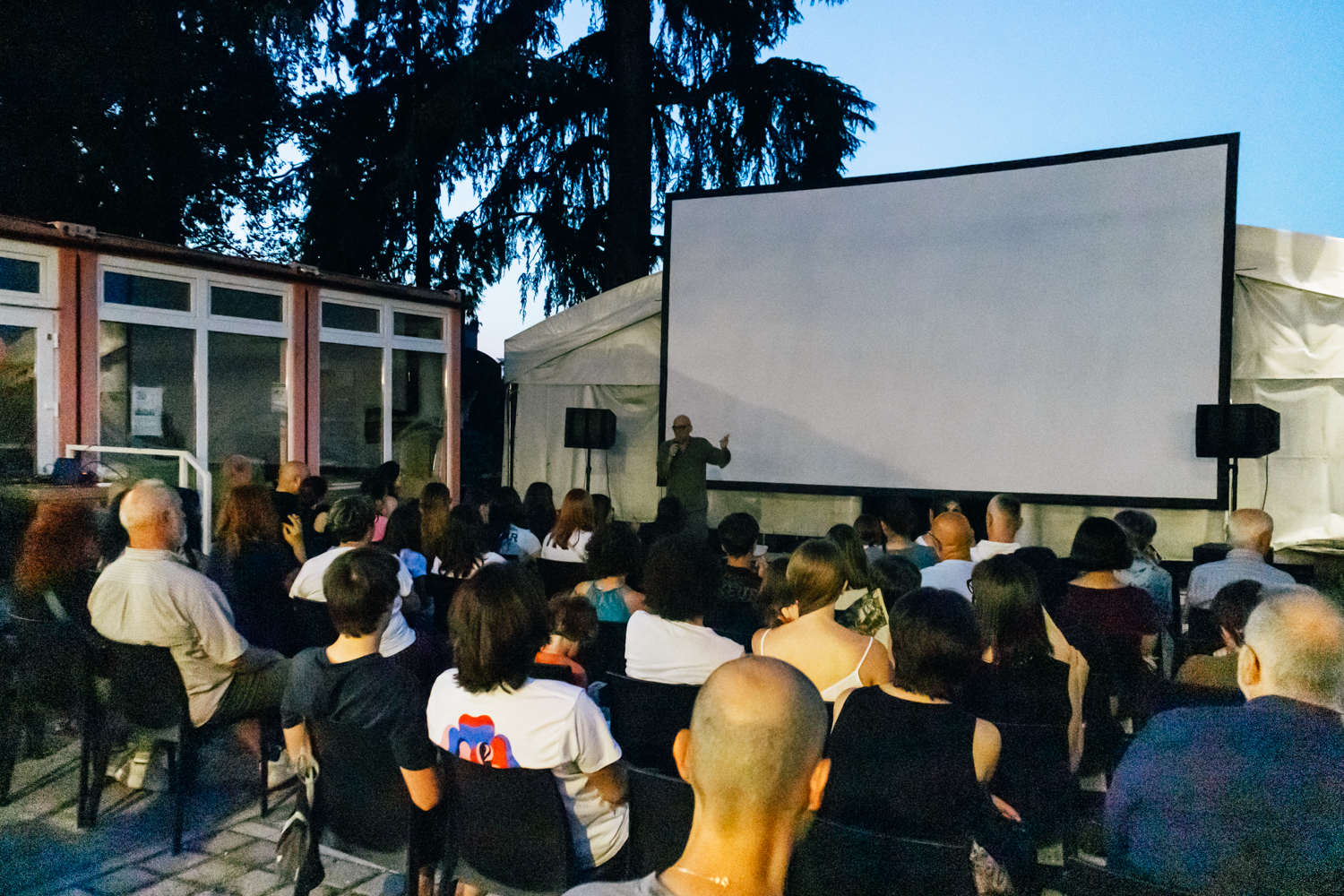
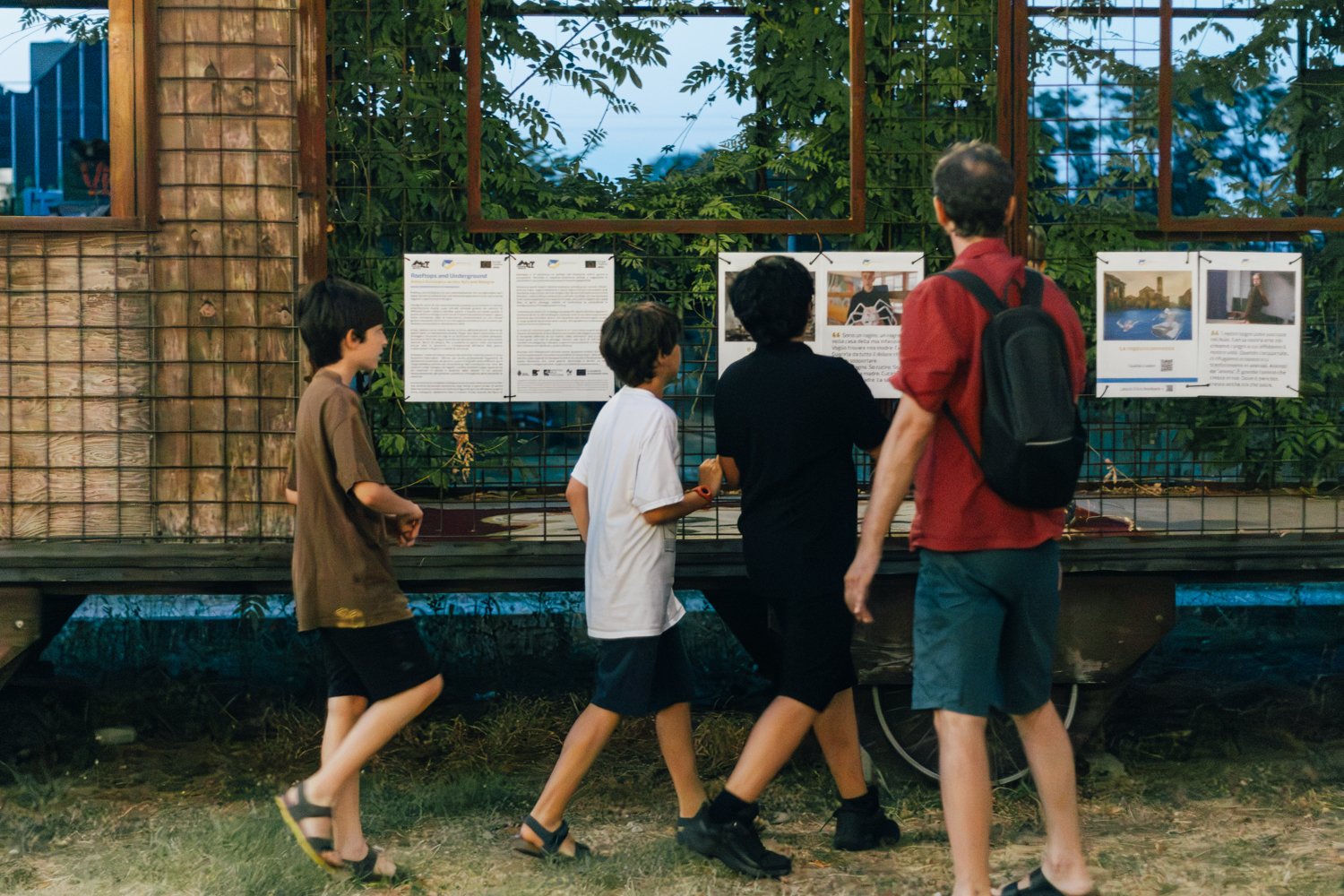
The Kyiv programme culminated in a public exhibition and performance bringing together the work developed by participants and artists.
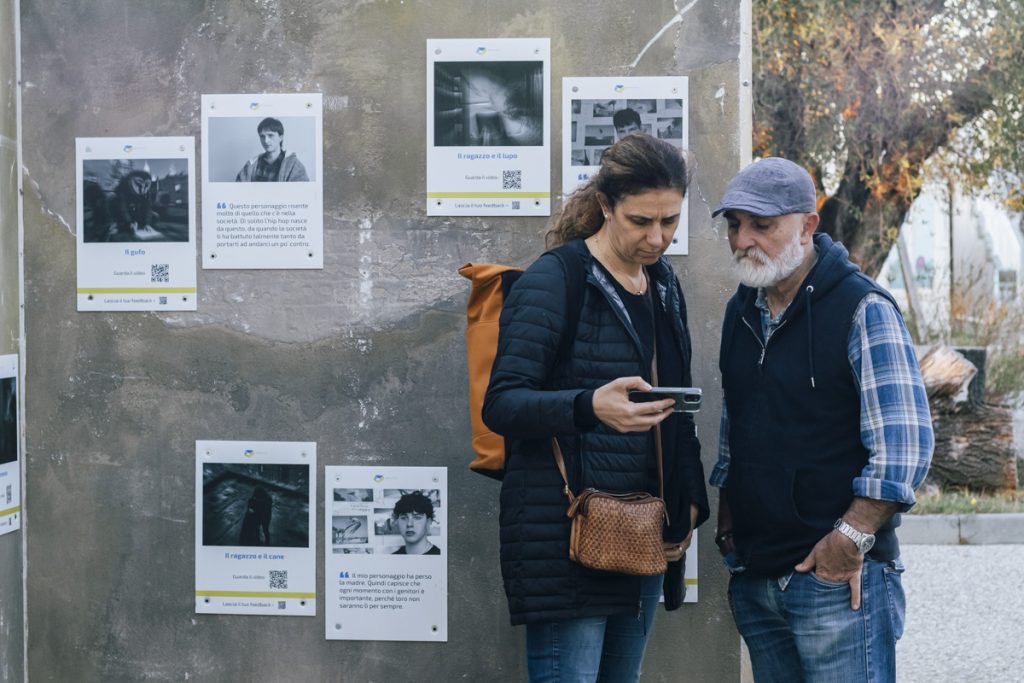
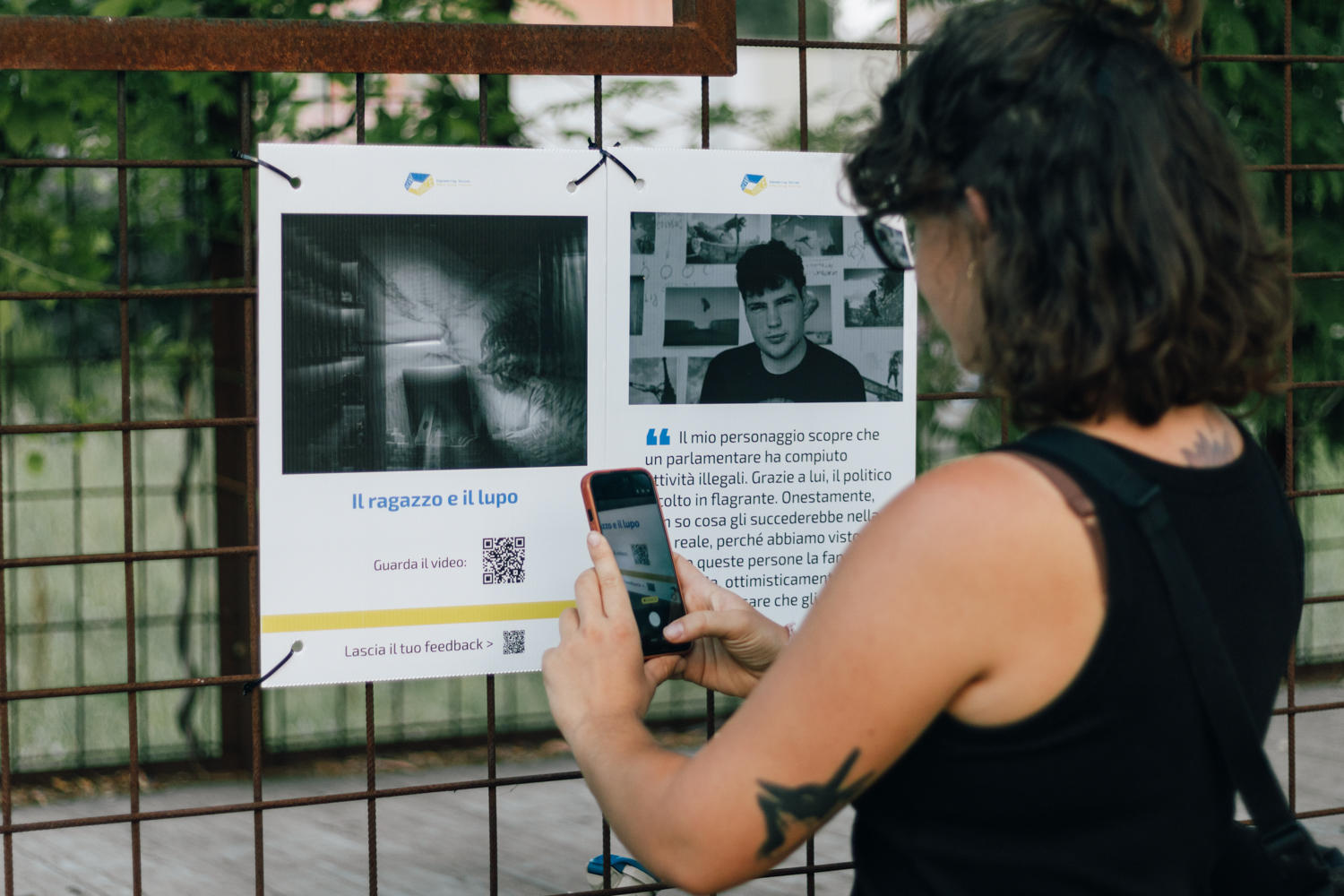
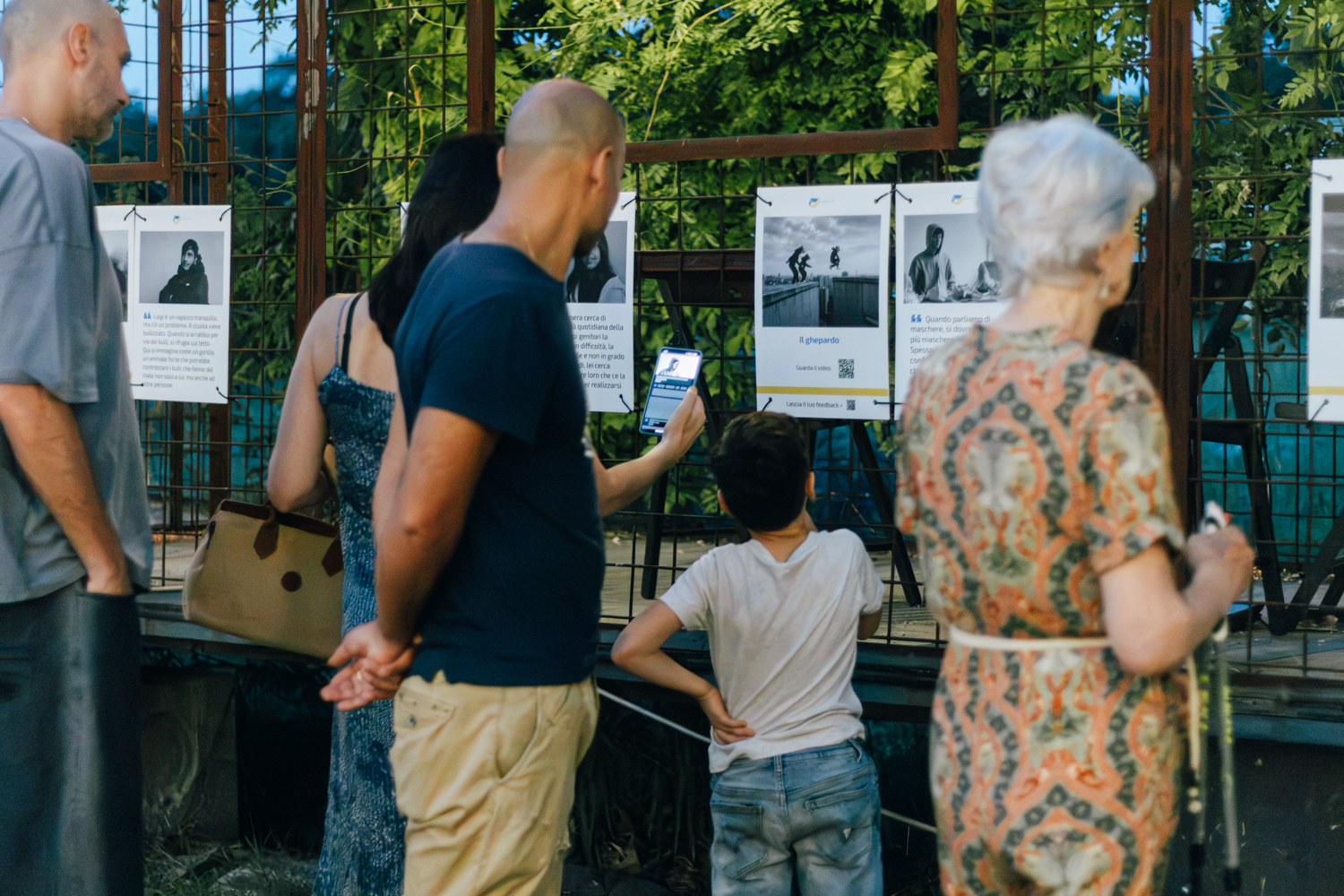
The closing event created a shared international setting by presenting work from Kyiv alongside pieces developed in Bologna and Warsaw. A curatorial tour introduced visitors to the artworks, the artistic processes behind them and the connections that had developed between the three cities.
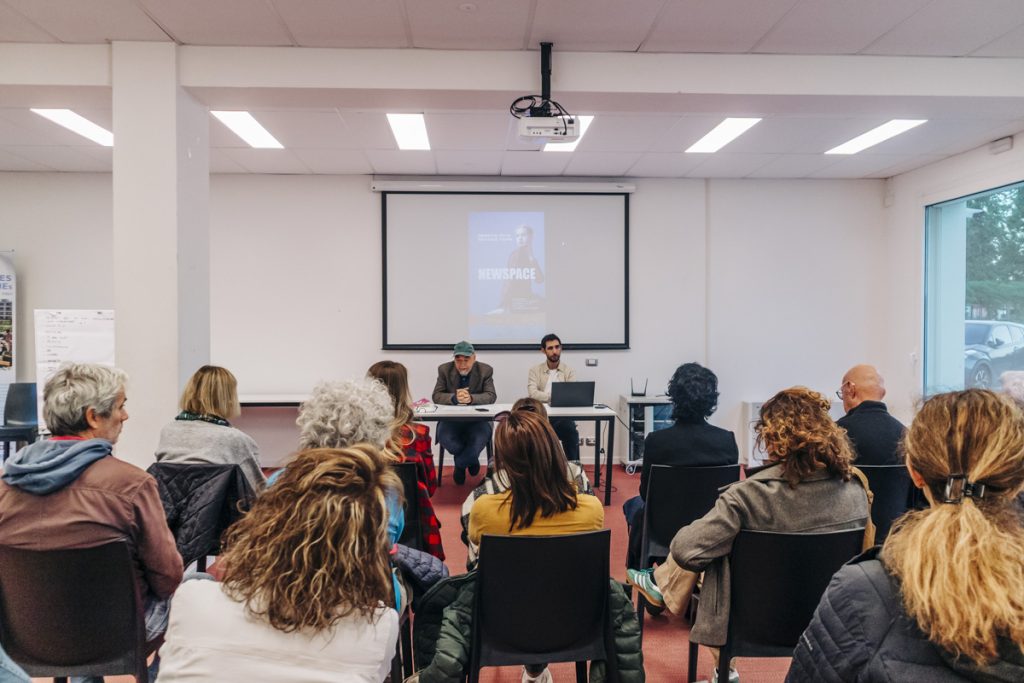
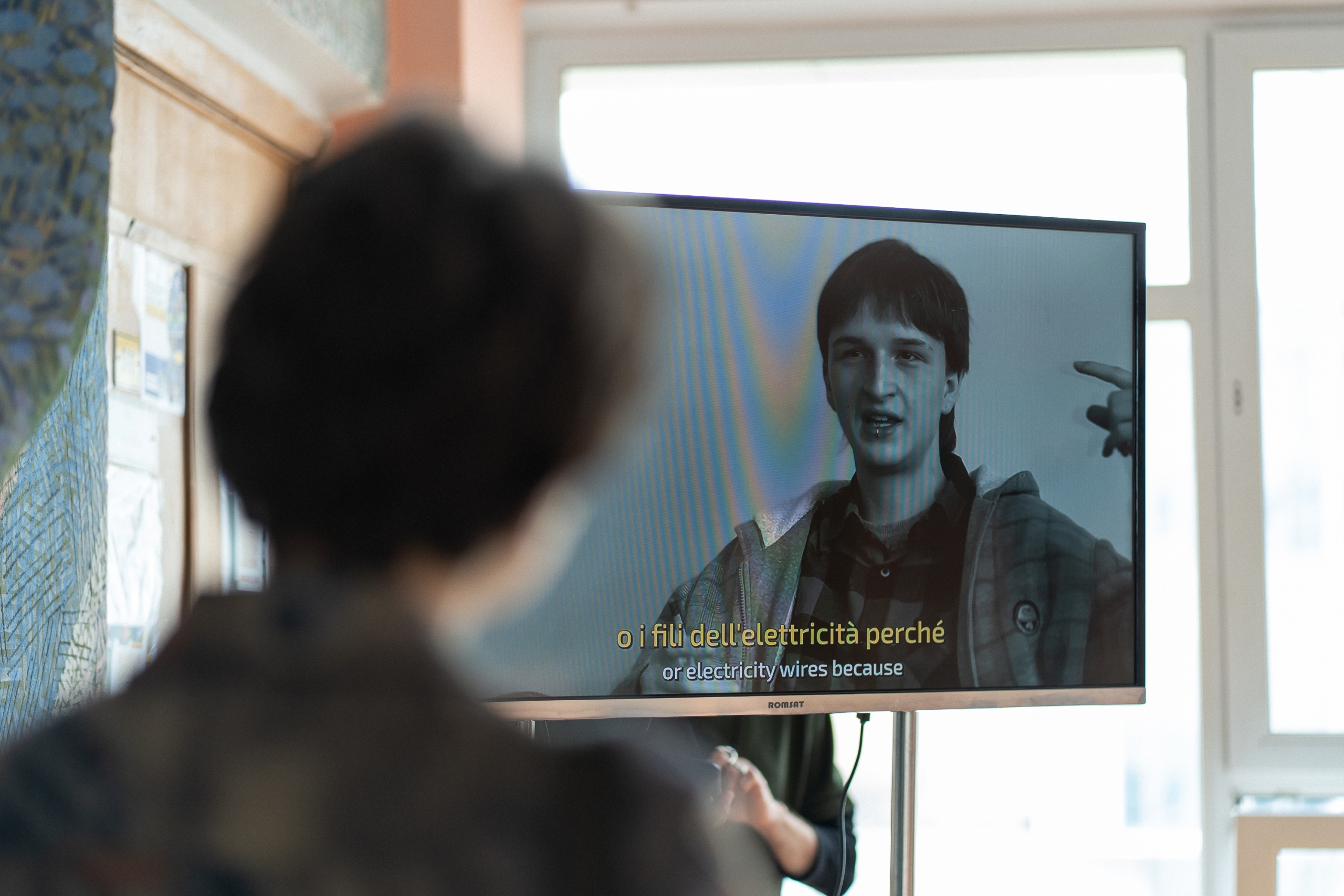
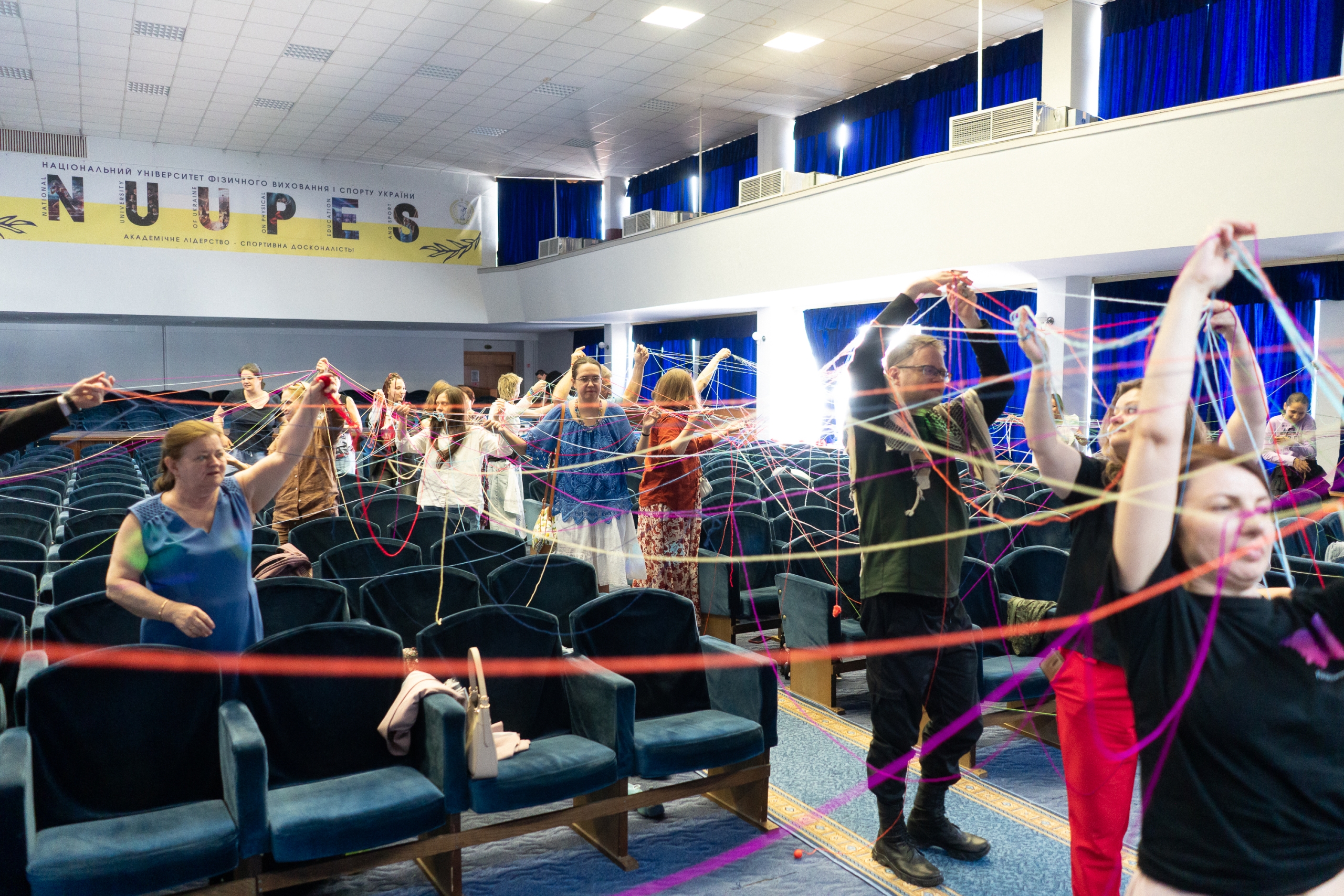
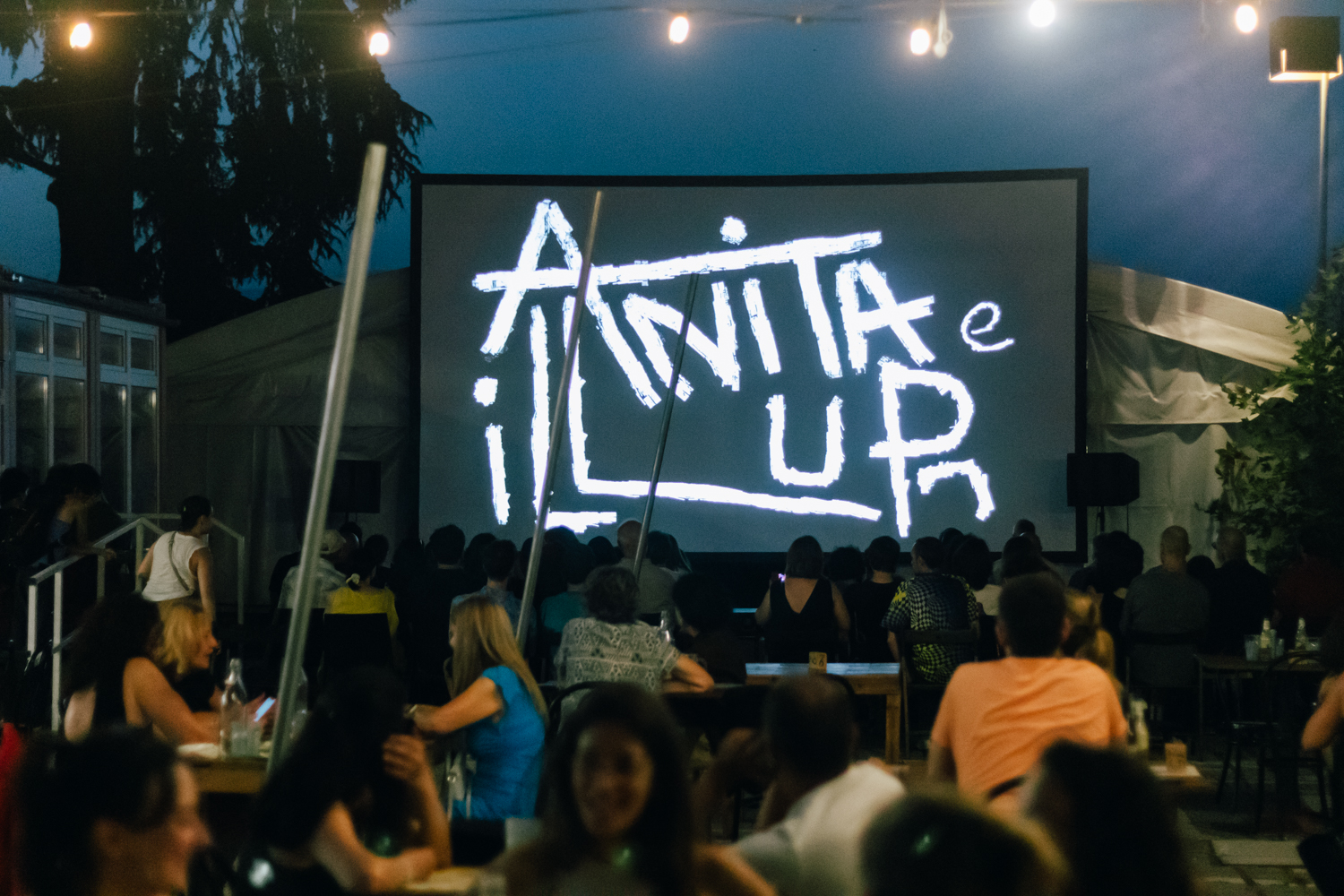
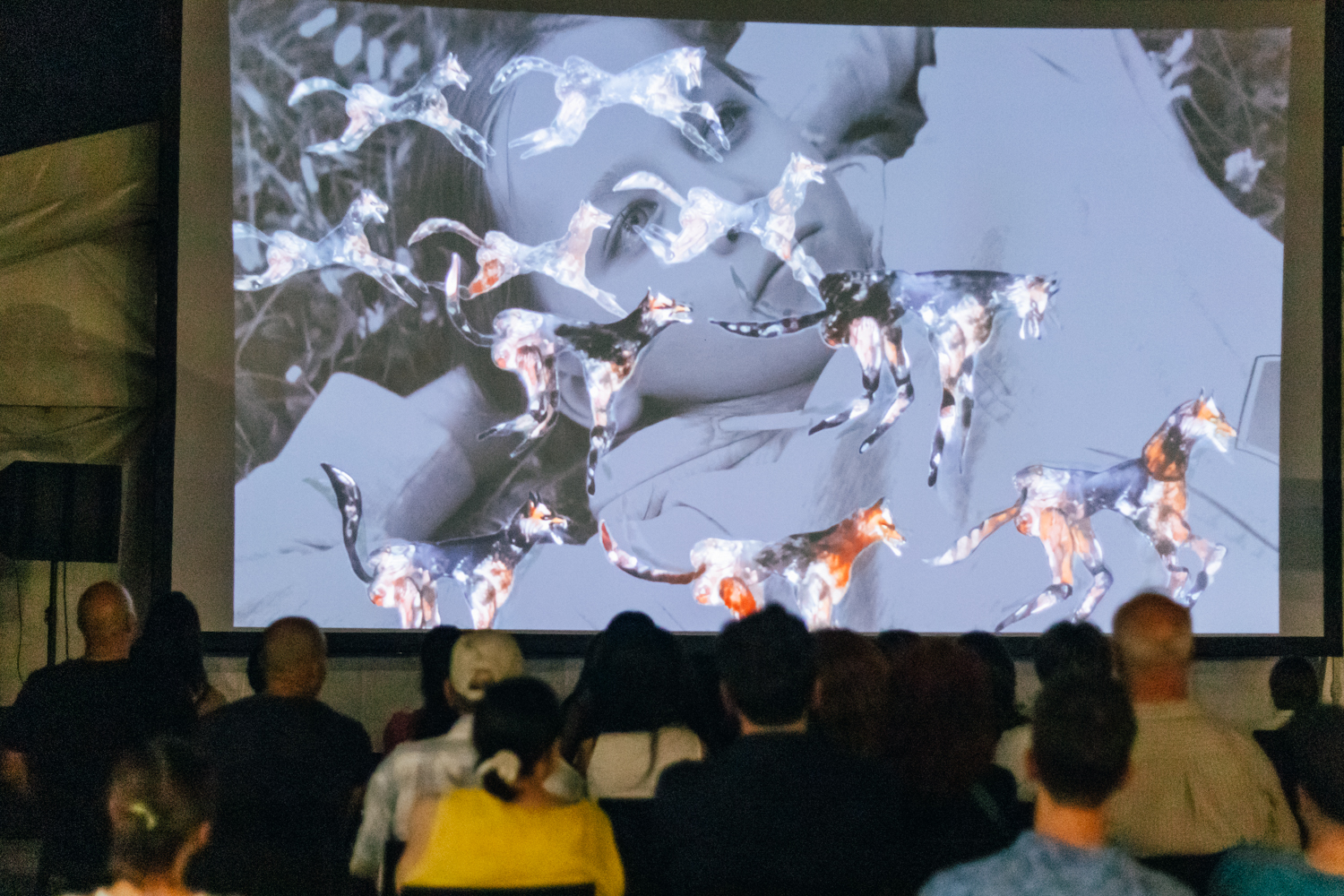
The assembly hall was transformed into an installation and performance space. Audiovisual works and backstage footage were projected onto screens, while visitors were also invited to contribute creatively.
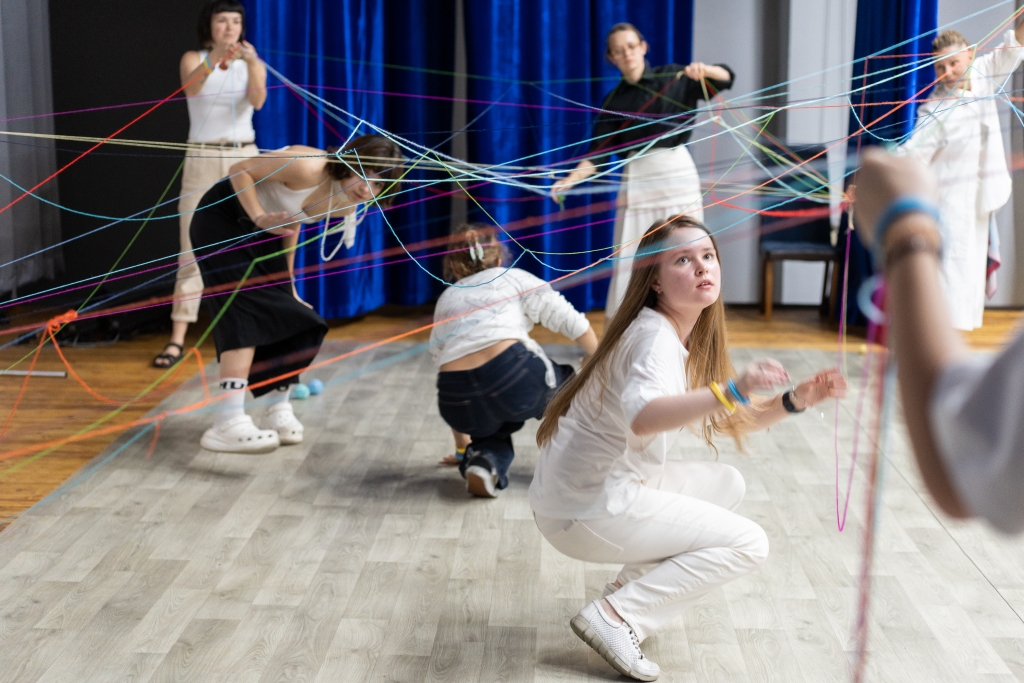
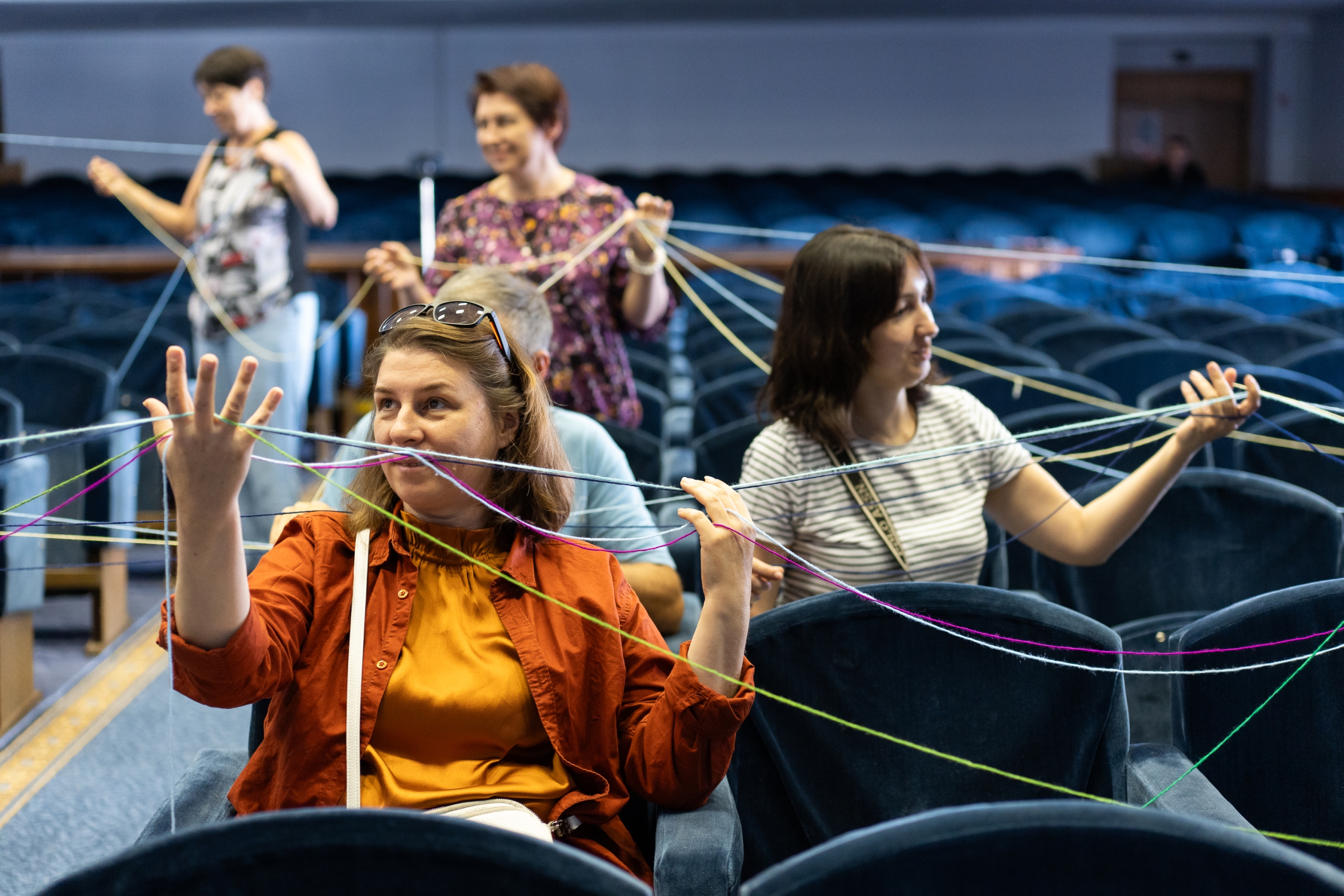
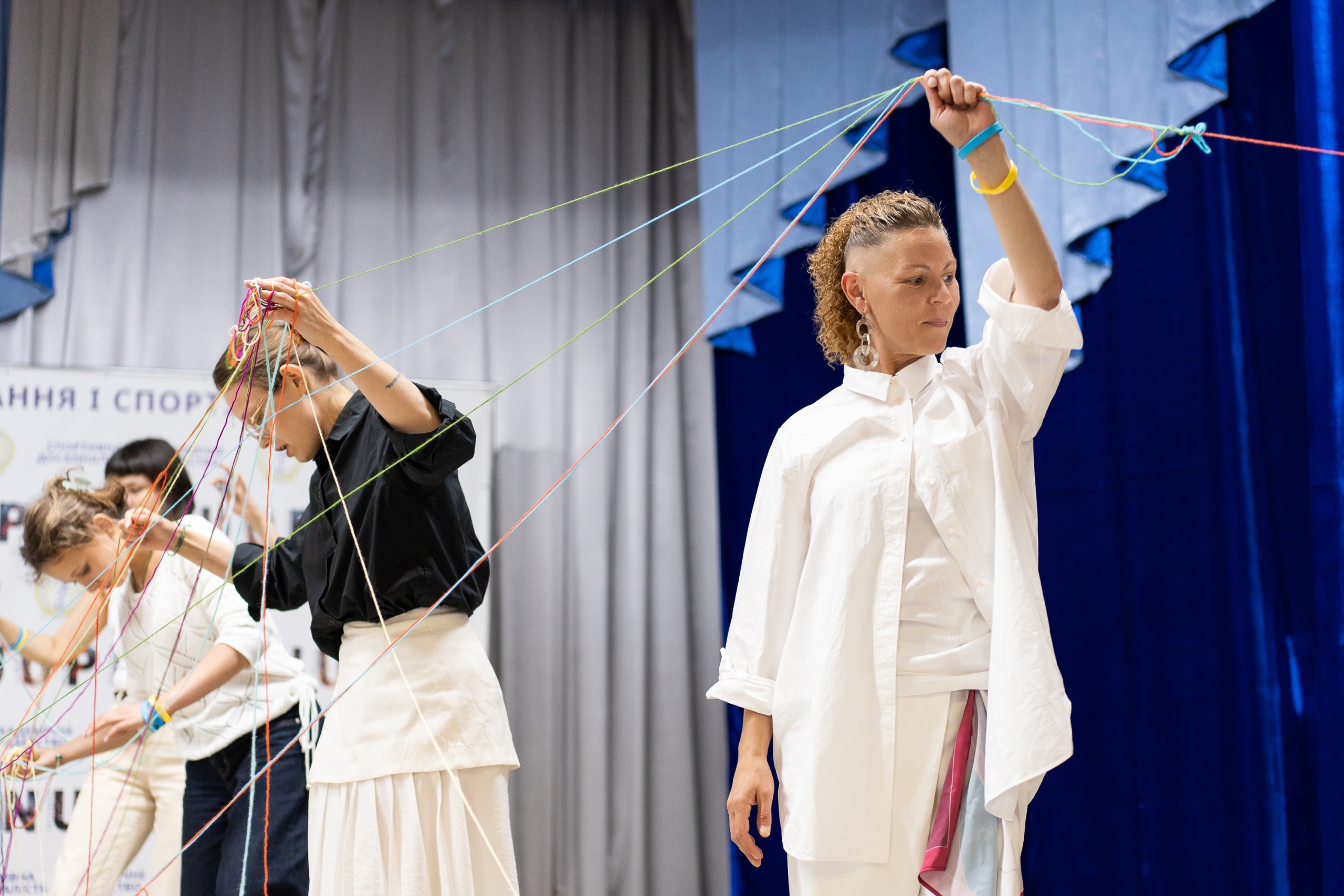
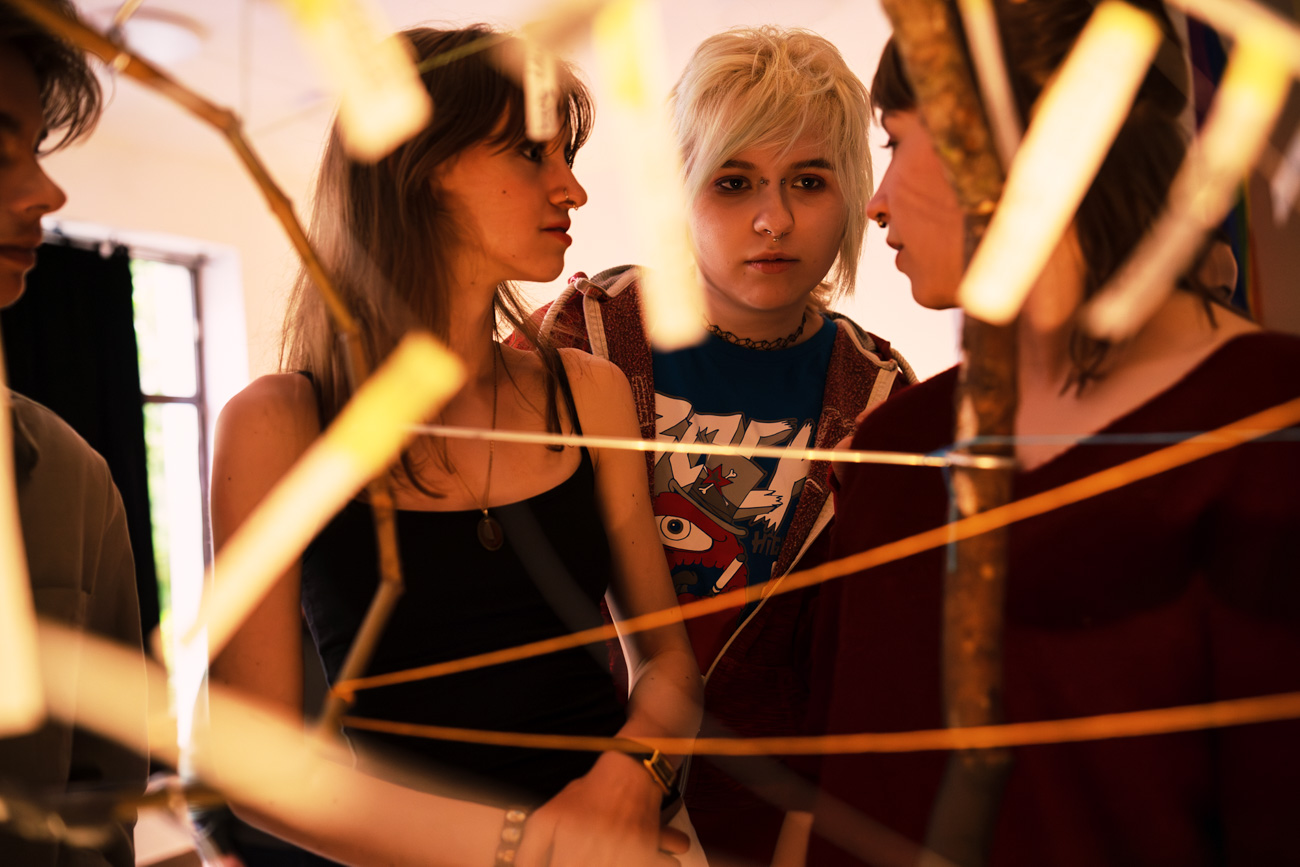
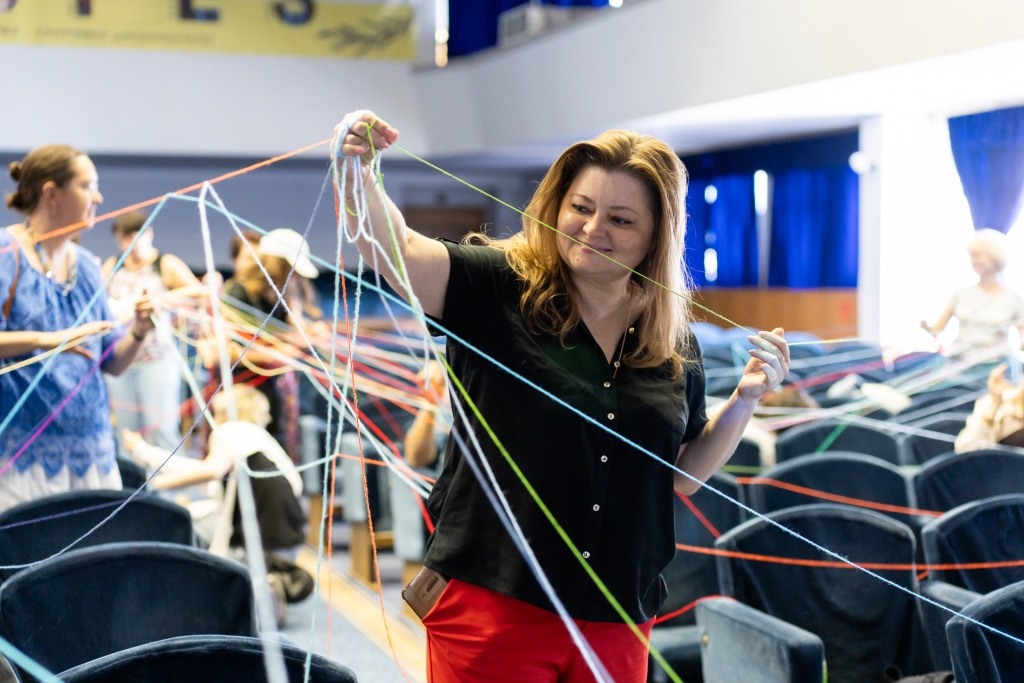
The event culminated in Na zviazku (Connected), a live performance in which the young participants constructed an interconnected web of threads. The web became a tangible representation of unity and collaboration. Afterwards, visitors could take fragments of the structure and turn them into small personal objects such as bracelets or keepsakes, carrying a physical reminder of the shared experience away with them.
What did the programme change?
The evaluation of the Kyiv programme shows particularly strong positive movement across the five dimensions of the NEWSPACE Theory of Change.
The most substantial change concerned cultural integration and heritage, followed by personal development and skills and social connections and sense of belonging. Creative expression also strengthened, while inner and emotional wellbeing showed meaningful improvement, although it remained the least consolidated area.
The qualitative evidence reinforces this picture. Across the workshops, participants moved in different ways from distance towards involvement, from dependence towards greater creative ownership, and from private experimentation towards shared expression. It is important to highlight that these changes were not identical for everyone. Some participants needed more time to open up, while others responded quickly to particular artistic practices. The programme therefore did not produce one single trajectory of transformation, but many individual developments unfolding within a shared creative environment.
From Kyiv to a wider community
The final event also demonstrated another important aspect of NEWSPACE: the movement from individual and collective creation towards public dialogue.
Audience responses to the Kyiv installation were strongly positive. Visitors recognised the artistic quality of the experience, its ability to encourage reflection on the experiences of young people affected by war and displacement, and the relevance of initiatives of this kind to the local community.
The programme in Kyiv, therefore, created a chain of transformations: sound became image, image became craft, movement became communication, individual ideas became collective works, and private experiences became something that could be shared with others.
This is one of the central ideas behind NEWSPACE. Participatory art does not offer a single solution to the challenges faced by young people affected by war and displacement. Instead, it can create spaces in which young people can experiment, connect, make decisions, express themselves and discover new ways of being part of a community.
In Kyiv, that process ultimately took the form of a web, made by the young participants themselves, and strong precisely because it was created by many different hands.
Share the article!
Funded by the European Union. Views and opinions expressed are however those of the author(s) only and do not necessarily reflect those of the European Union or the European Education and Culture Executive Agency. Neither the European Union nor the granting authority can be held responsible for them.