A space for experimentation: the NEWSPACE workshop programme in Warsaw

May 2026

What happens when young people are given the time and freedom to explore art without being asked to find the “right” answer?

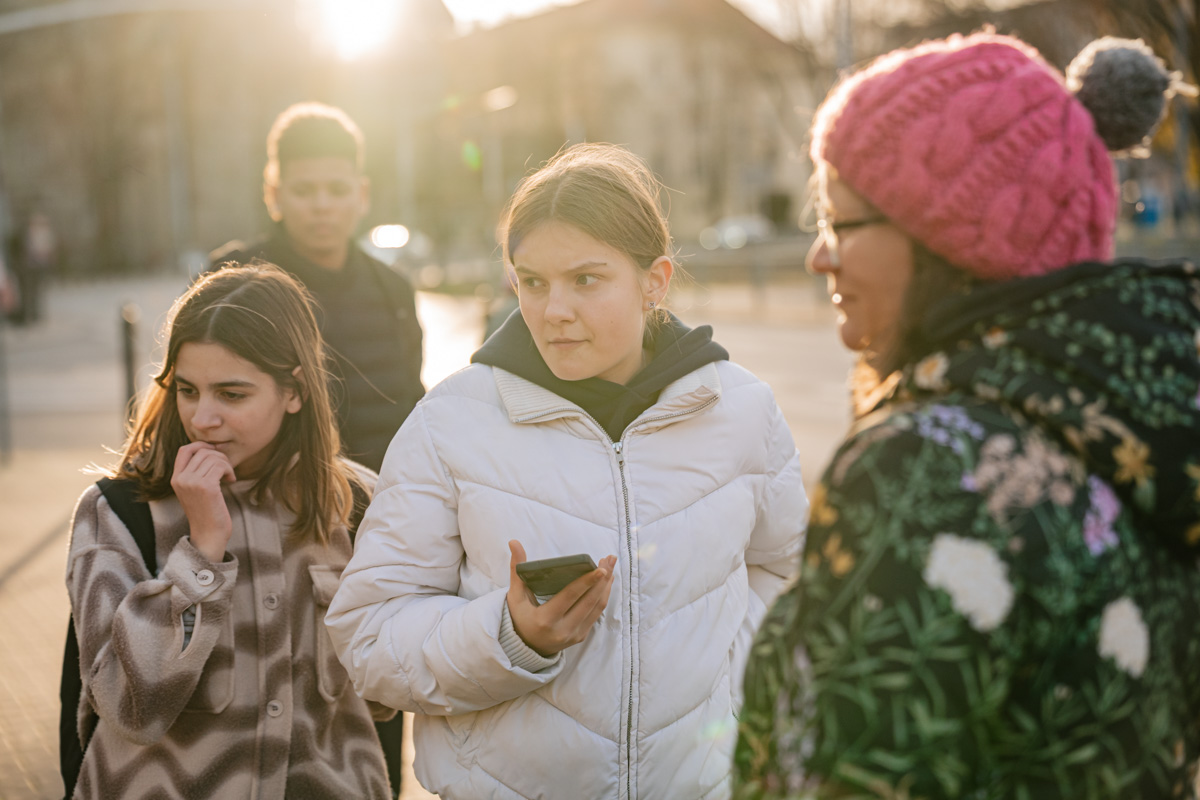
This question shaped the NEWSPACE workshop programme in Warsaw, one of three long-term artistic pathways developed in Bologna, Kyiv and Warsaw. The programmes were created to offer adolescents spaces where they could experiment with artistic practices, express their perspectives, meet others and develop new forms of confidence and participation.

The workshops built on the experiences of the project’s pilot residencies. Each city developed its own approach, responding to its local context while sharing a common ambition: to explore how sustained participation in the arts can support young people affected by war, displacement and other forms of vulnerability.

In Warsaw, the programme was delivered by Strefa WolnoSłowa as part of their Youth Laboratory of Creative Practices. Its methodology was rooted in open and participatory approaches, including libertarian pedagogy, anti-disciplinarity and democratic group dynamics. Rather than following a predetermined script, the creative process developed through the participants’ own contributions and interests.

Starting with a question: what is hope?

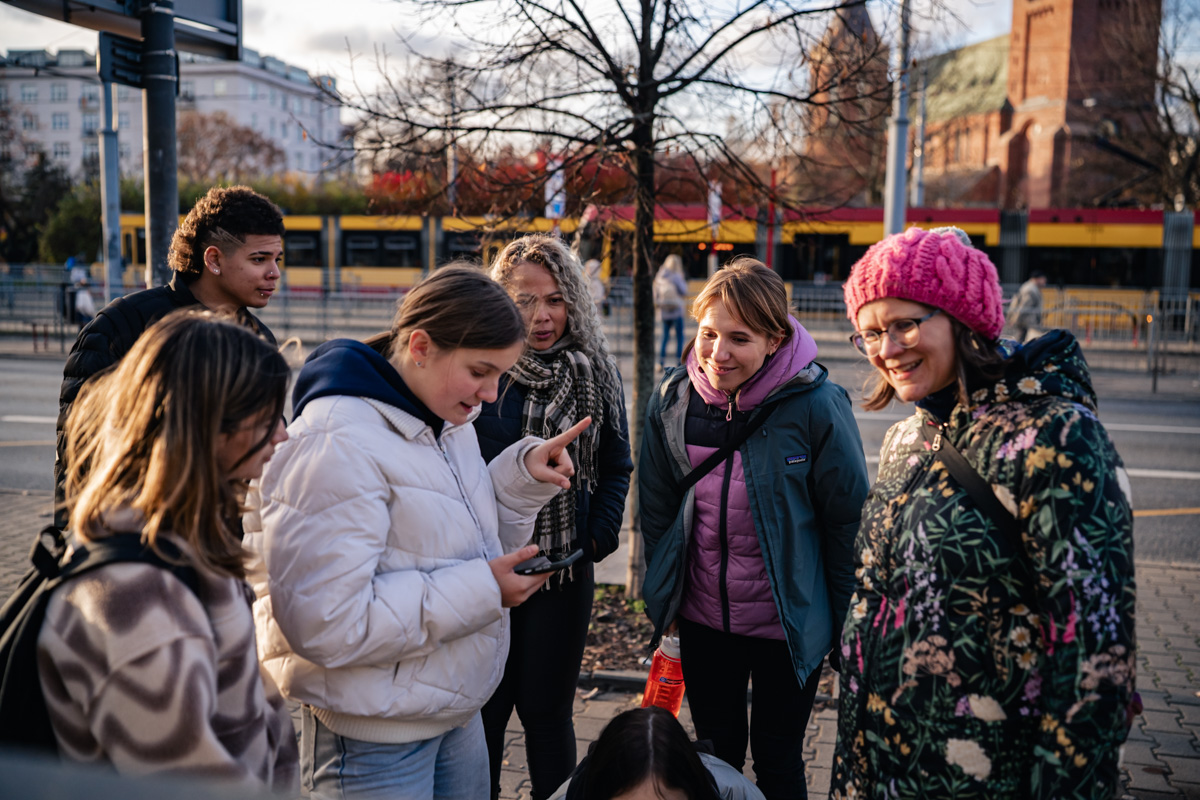
Rather than treating hope as an abstract concept, participants explored what it might mean in the world around them. Their discussions touched on armed conflict, psychological violence and misinformation, but the process remained open to the different perspectives and concerns brought by the young people themselves.

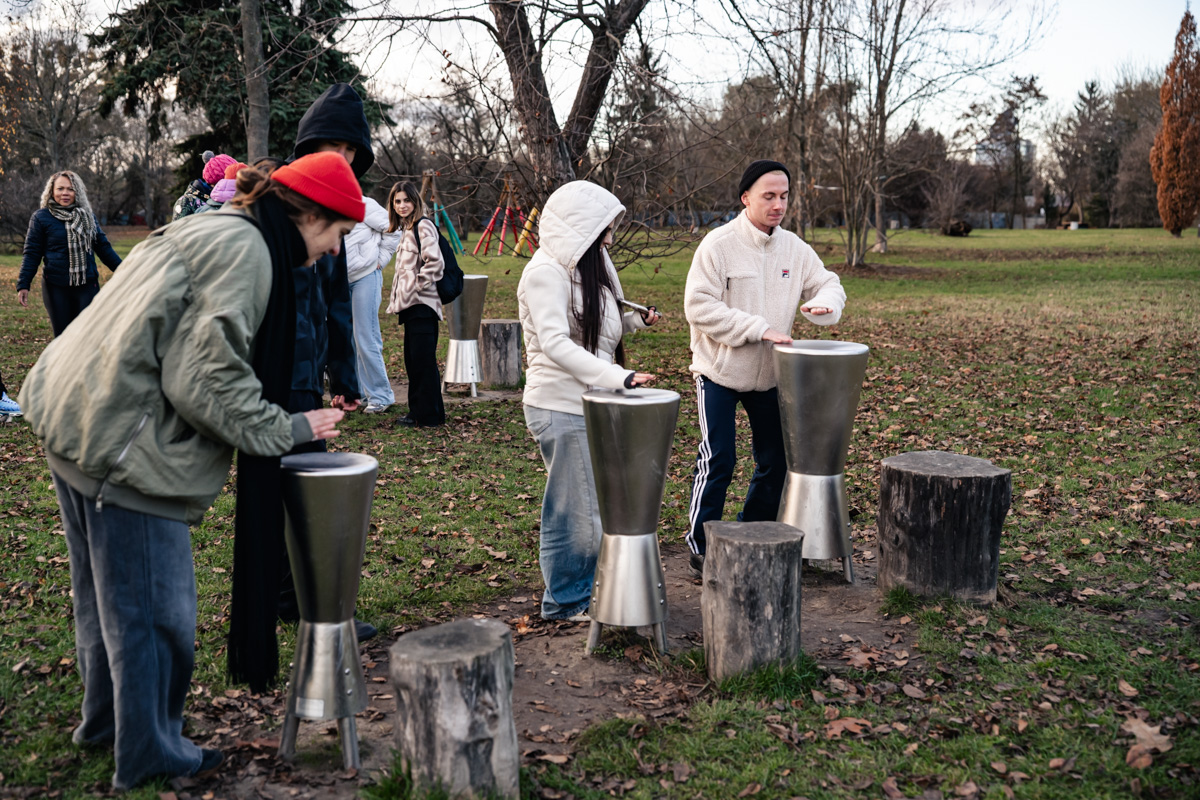
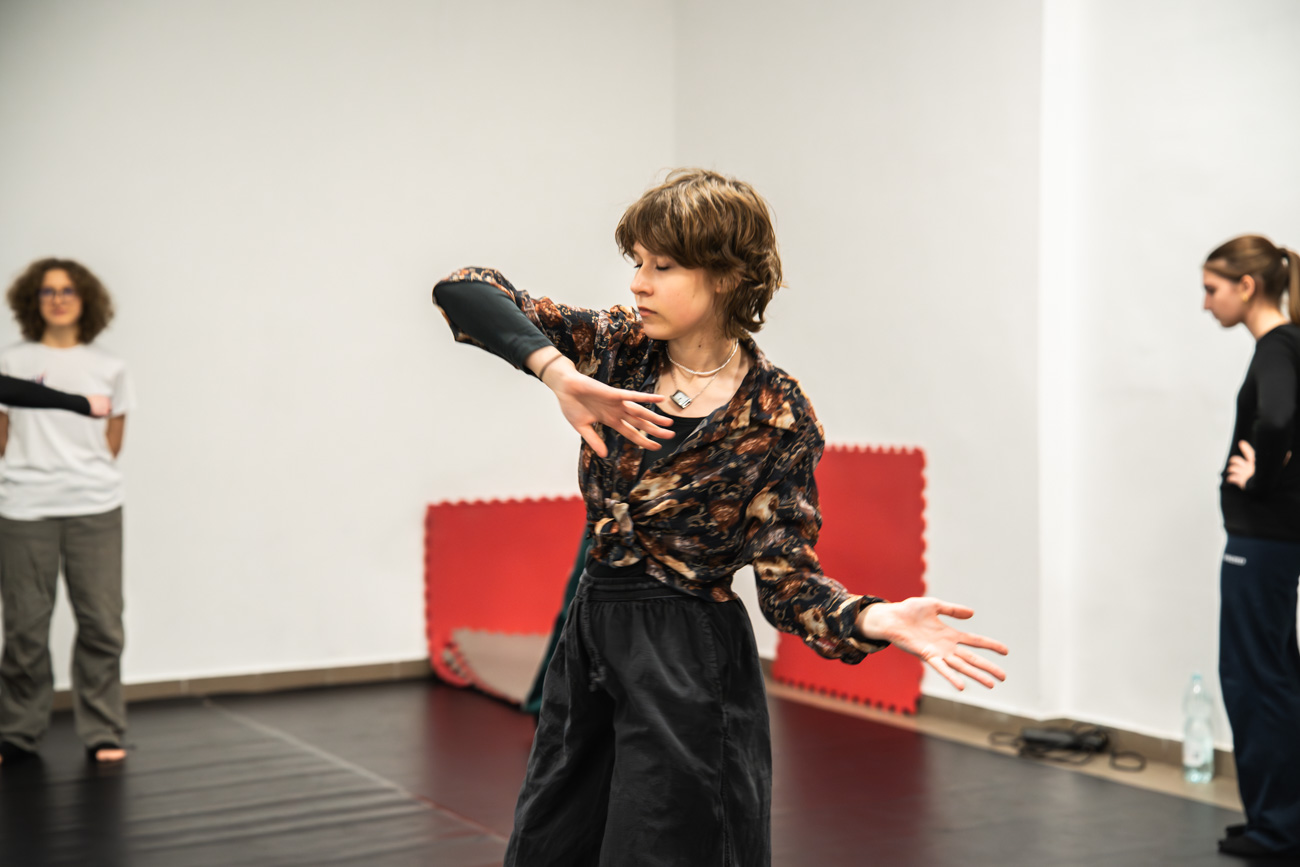
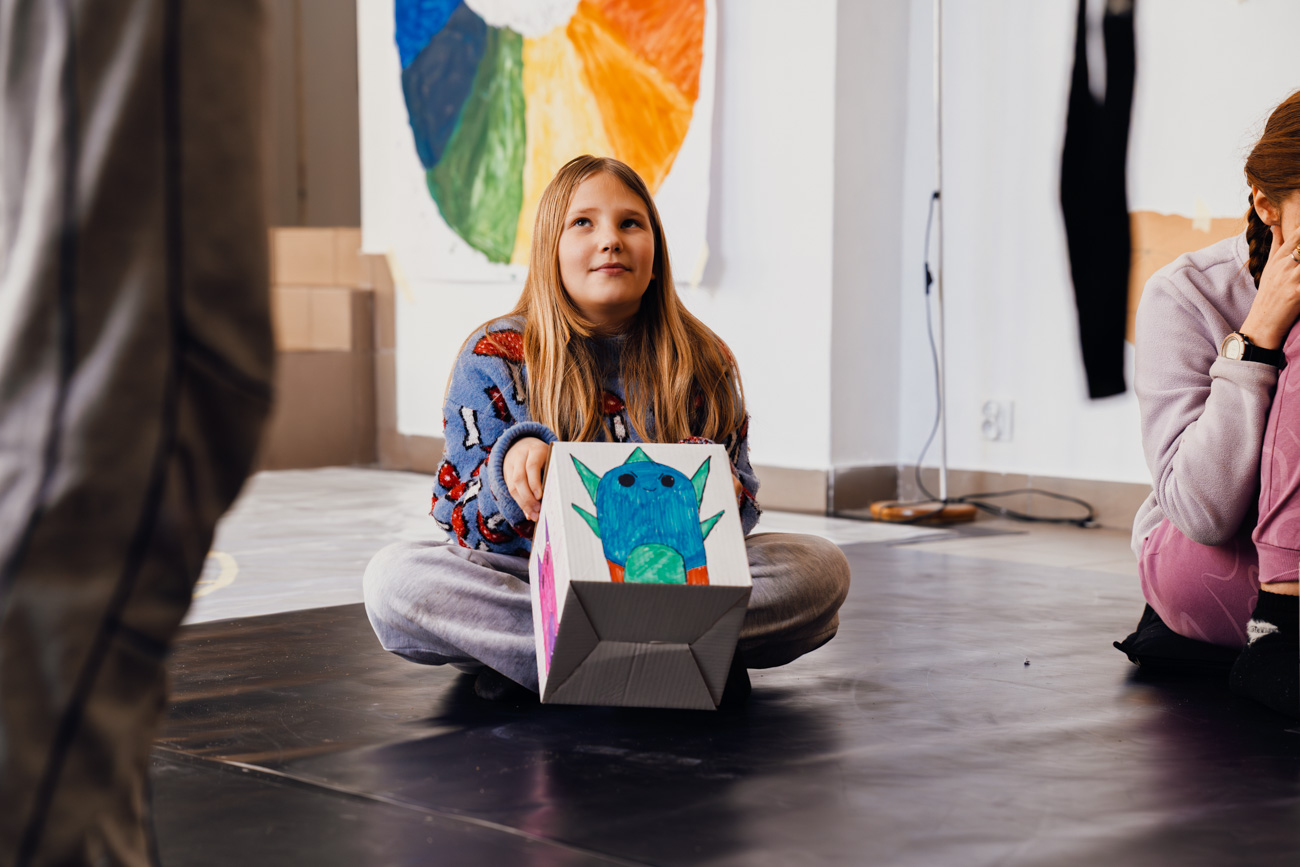
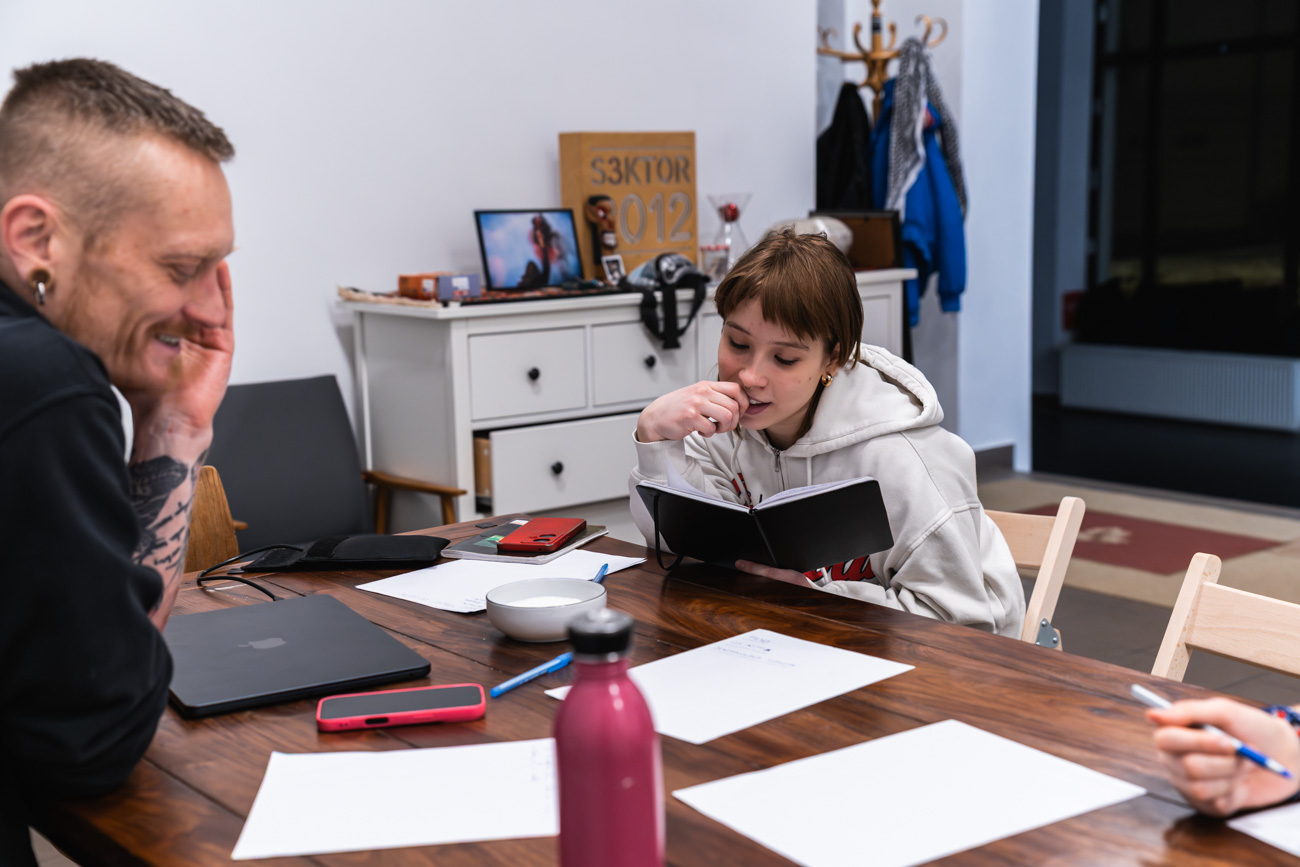
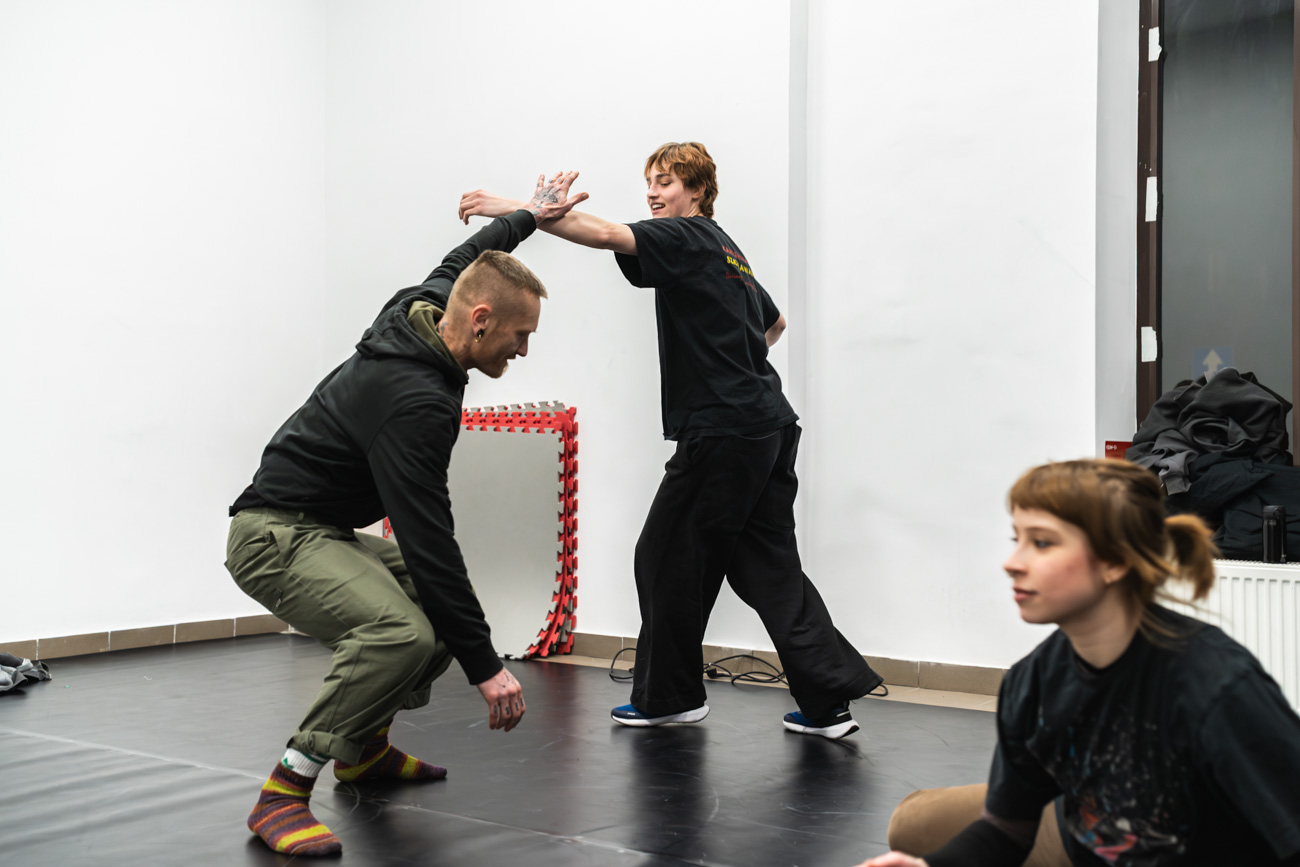
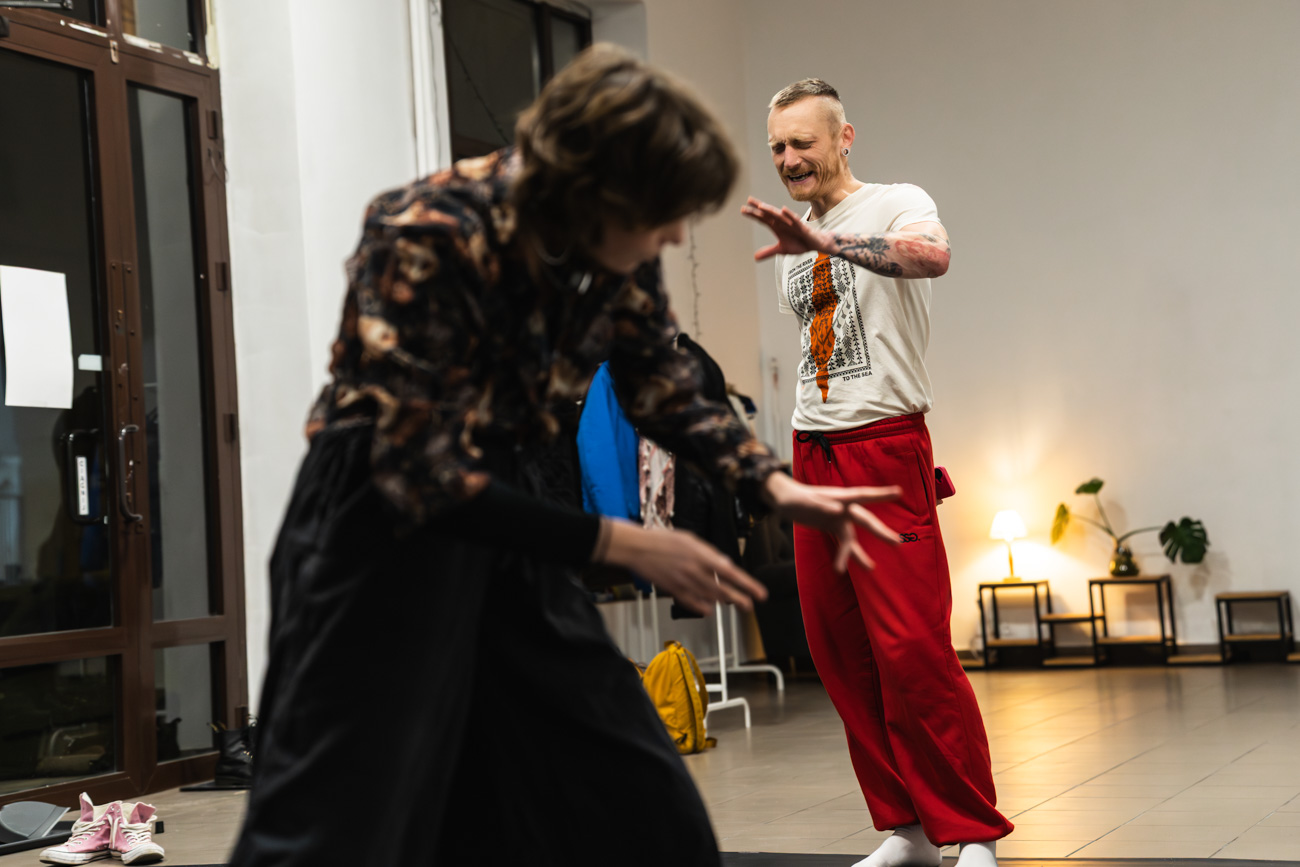
The workshops moved between discussion, rehearsal, experimentation and performance. Participants were encouraged to explore different forms and to find their own ways of responding to the themes that emerged.

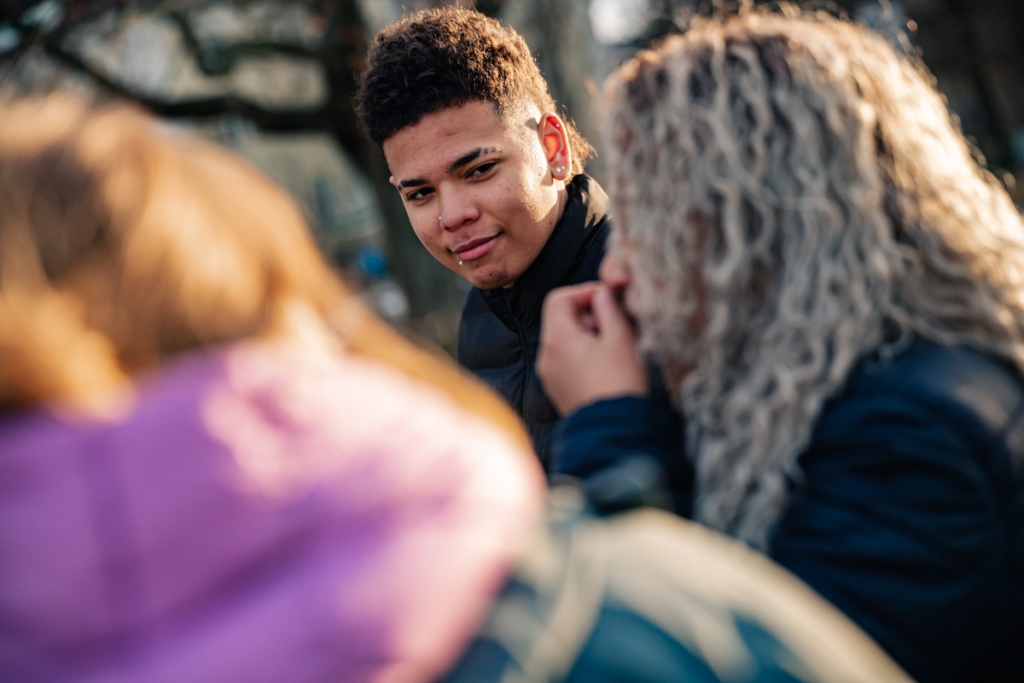
This openness was particularly important because the group included young people with different identities, experiences and needs. The format allowed participants to explore artistic practice without having to arrive with a predetermined answer or a fixed idea of what they were expected to create.

From individual ideas to collective creation

One of the most interesting aspects of the Warsaw programme was the way participation developed over time.

Some participants initially preferred to work independently or were hesitant about becoming involved in collective activities. Others joined for external reasons, such as school requirements, rather than from a strong personal motivation.

Gradually, however, several participants began sharing ideas, helping others, solving problems together and taking greater responsibility for the collective work.

In one example, young people who had initially focused on their own project started contributing to other participants’ work. In another, three teenagers who had initially preferred to work independently gradually began dividing tasks, solving technical problems together and eventually helping other participants.

These changes show that participation is not simply about being present. It can mean moving from observing to contributing, from following to making decisions, and from working alongside others to feeling responsible for a shared process.

Learning to belong

The development of relationships was one of the strongest themes to emerge from the Warsaw workshops.

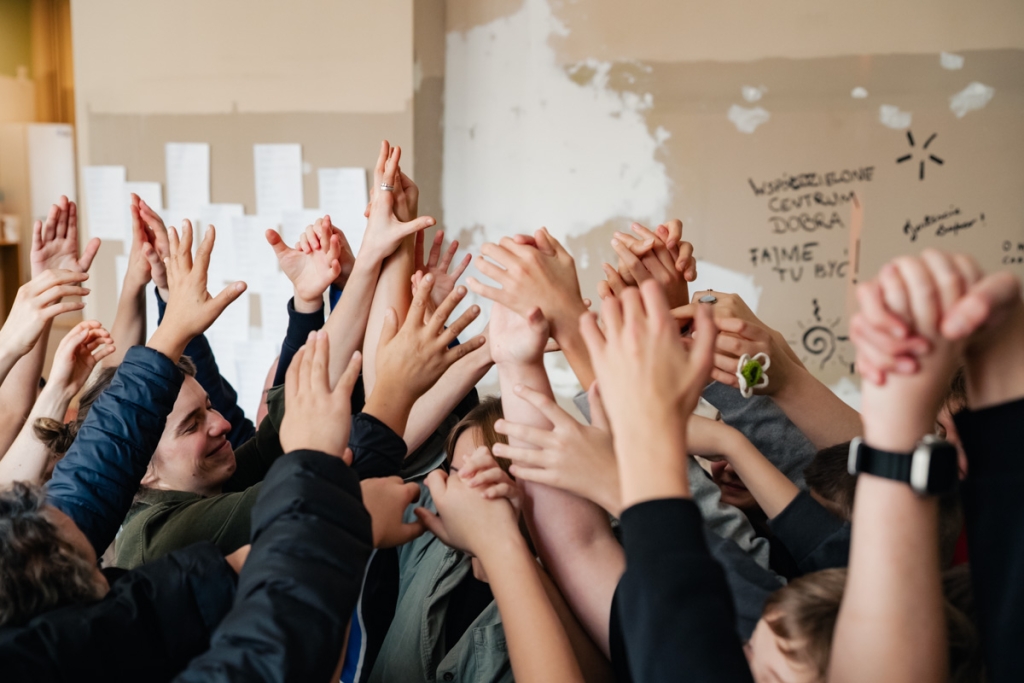
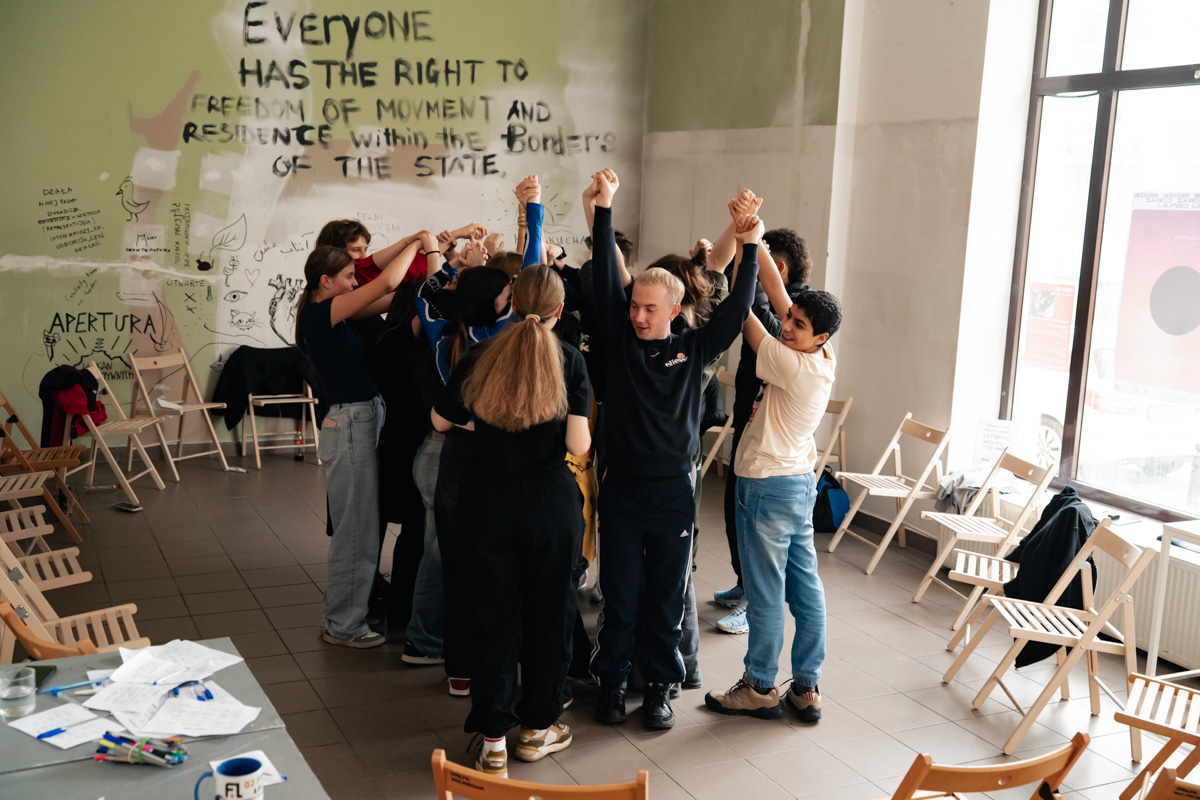
Participants who initially remained apart gradually became more open to collaboration. They negotiated differences, supported one another and developed shared responsibilities. Informal rituals and small gestures, including a shared greeting, became part of the group’s identity.

In some cases, participants also developed practical forms of support for one another. A young person with a broken leg, for example, was supported by peers who helped her move around and accompanied her before and after rehearsals. These apparently small gestures became significant signs of care and belonging.

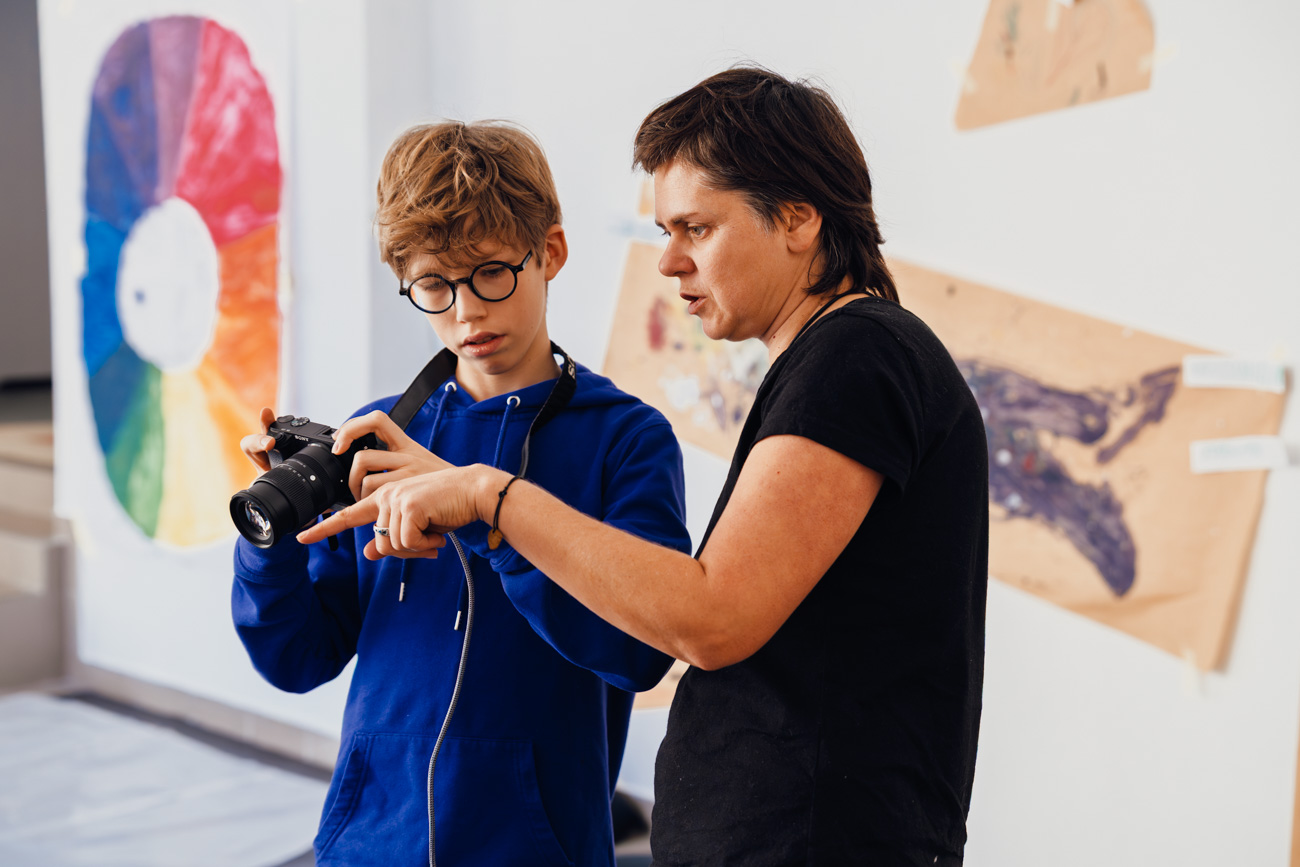
The artistic process also created opportunities for young people to become more visible. A participant who had initially been reluctant to take part eventually began sharing photographs and explaining the ideas behind them. Another participant who had been uncomfortable speaking Polish gradually became confident enough to perform in Polish during the final presentation.

These moments show how creative participation can become a gradual exercise in visibility: being willing to share an idea, allowing others to see your work, speaking in front of a group or simply choosing to come back.

Bringing personal stories into the work

The workshops also created space for personal and cultural memories to enter the collective artistic process.

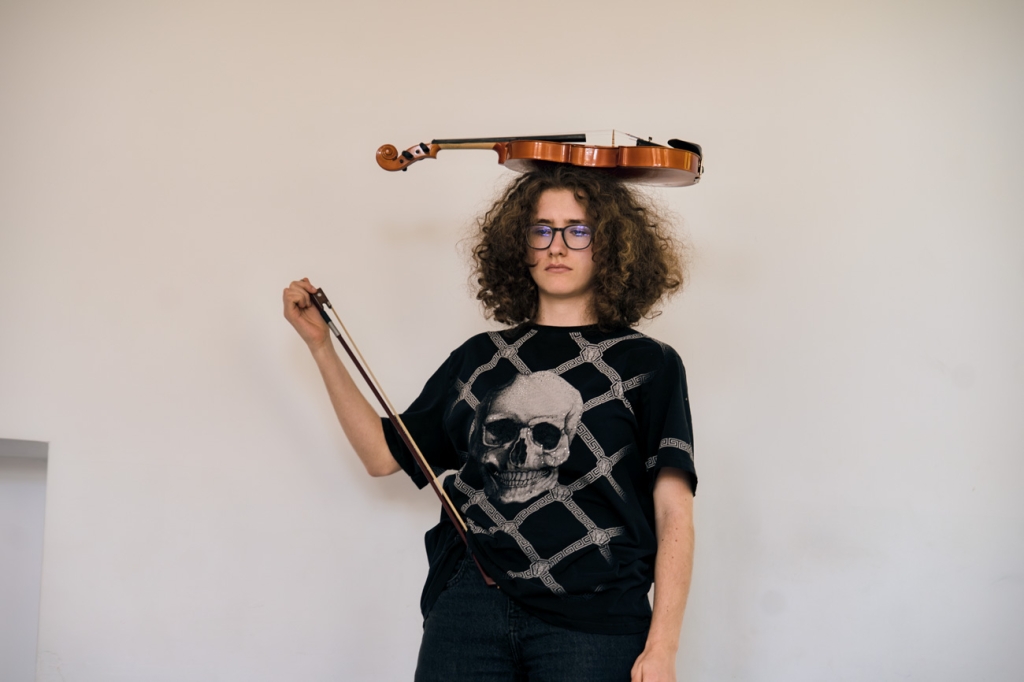
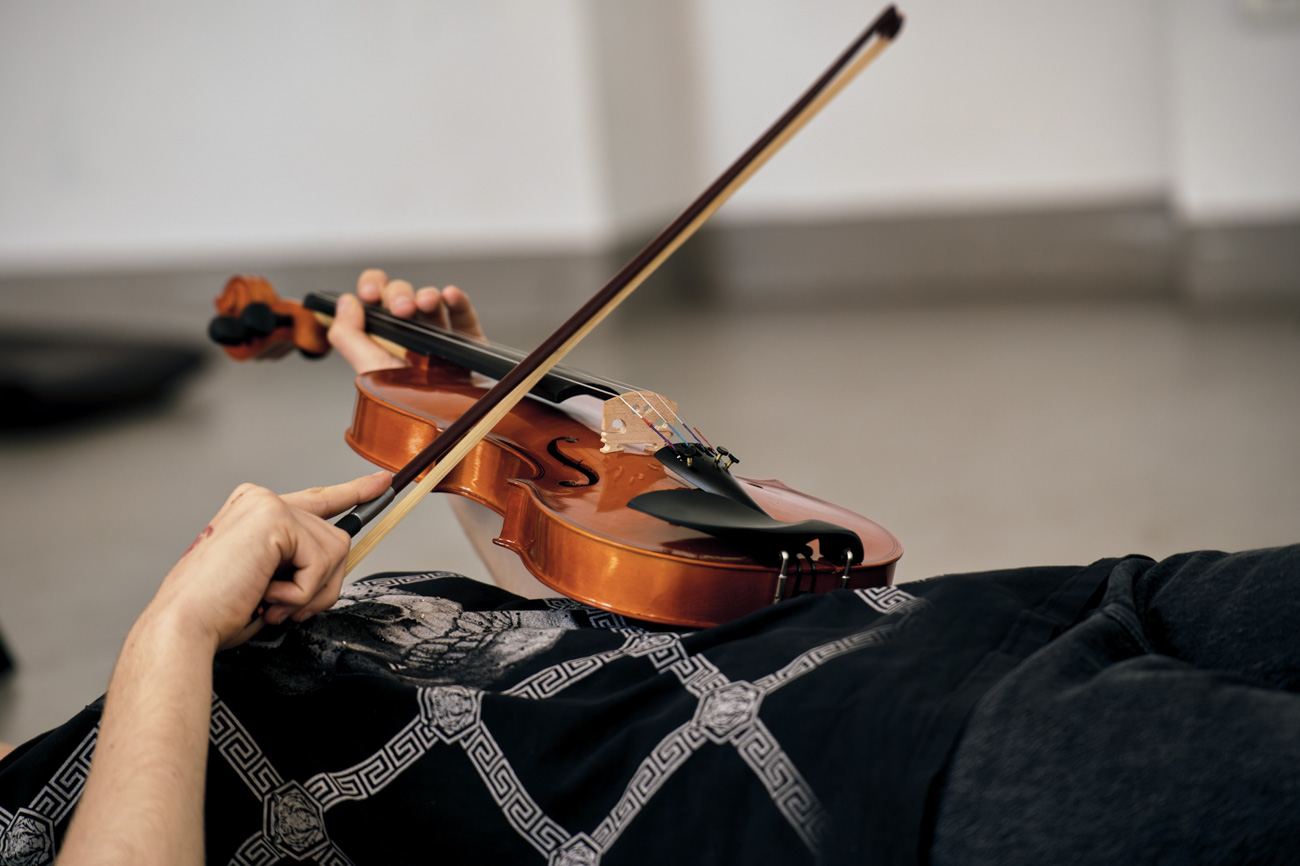
One participant brought postcards and a traditional musical instrument from home and shared the story connected to them. She later chose to include elements of this personal story in the final performance.

This was not about representing an entire culture or identity. Instead, the participant was able to decide which part of her own experience she wanted to bring into the collective work.

This kind of choice is central to participatory arts: personal experiences become artistic material because participants themselves decide how and when to share them.

The final artistic works

The Warsaw programme culminated in public presentations in which the young participants’ experiments took different artistic forms.

The final works reflected the open and experimental character of the workshops. In Nina Nadwodna’s visual performance Hope, the creative process itself became the subject of the work, with monochromatic and colourful imagery used to explore the idea of hope without relying primarily on spoken language.

Another group worked with Gabriela Świerczewska’s play Idealna (A Perfect Girl), adapting and directing it themselves. The resulting performative reading explored mechanisms of intergenerational domestic violence and combined conventional role-playing with a more experimental performative approach.

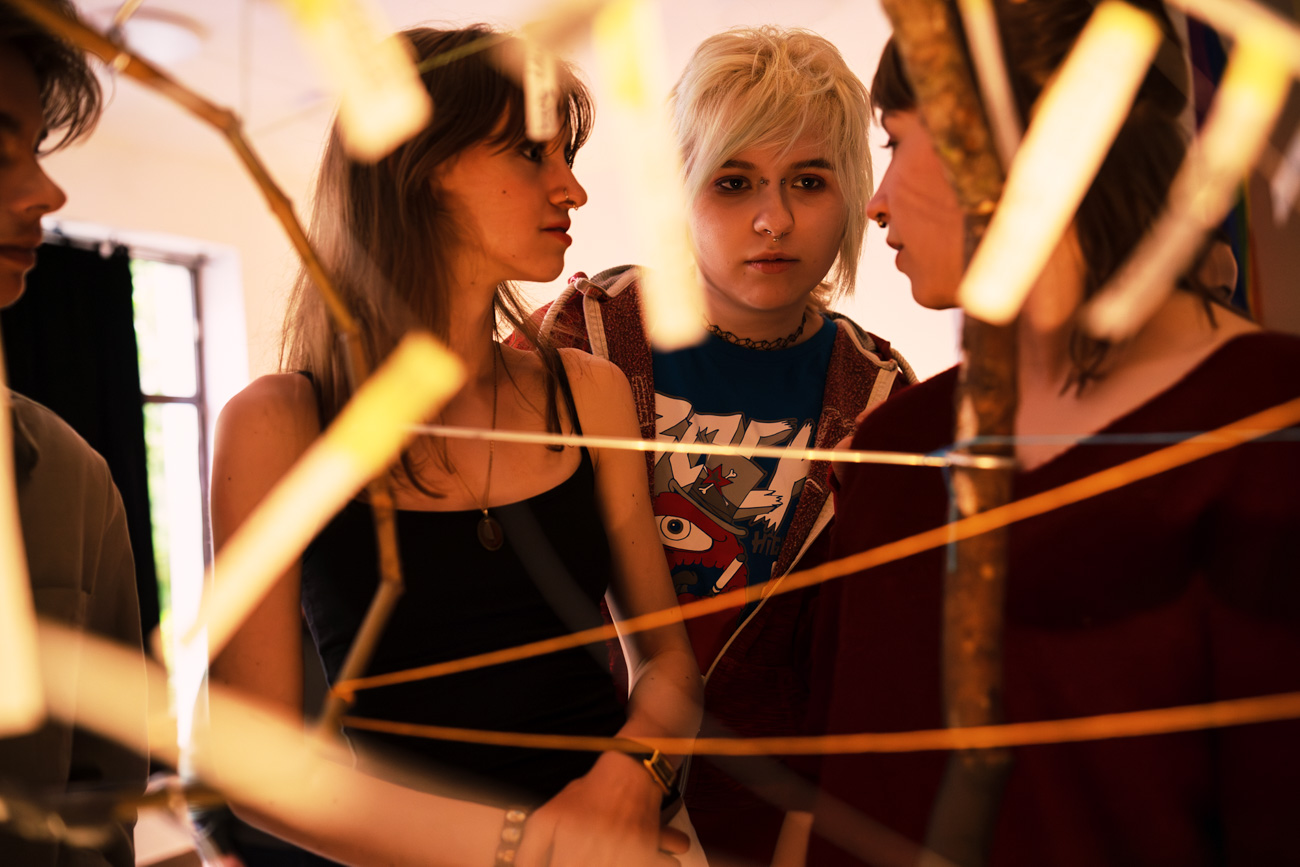
The performances were accompanied by improvised live music, while another participant transformed personal thought processes into a spatial sculpture using wood, fabric and materials with different textures.

Together, these works demonstrated the variety of directions that can emerge when young people are given space to experiment rather than being asked to reproduce a predefined artistic form.

What did the programme make possible?

The evaluation of the Warsaw experience shows a complex picture. The quantitative questionnaires did not show an overall positive aggregate change across the five outcome dimensions. However, the qualitative evidence gathered through Outcome Harvesting documented many concrete developments in collaboration, responsibility, confidence, belonging and creative participation.

This difference is important. It reminds us that change does not always appear as a simple increase in a numerical score.

Across the workshops, facilitators observed young people becoming more willing to contribute, take responsibility, negotiate differences, share creative work and participate in the group. These developments often happened gradually and took different forms for different participants.

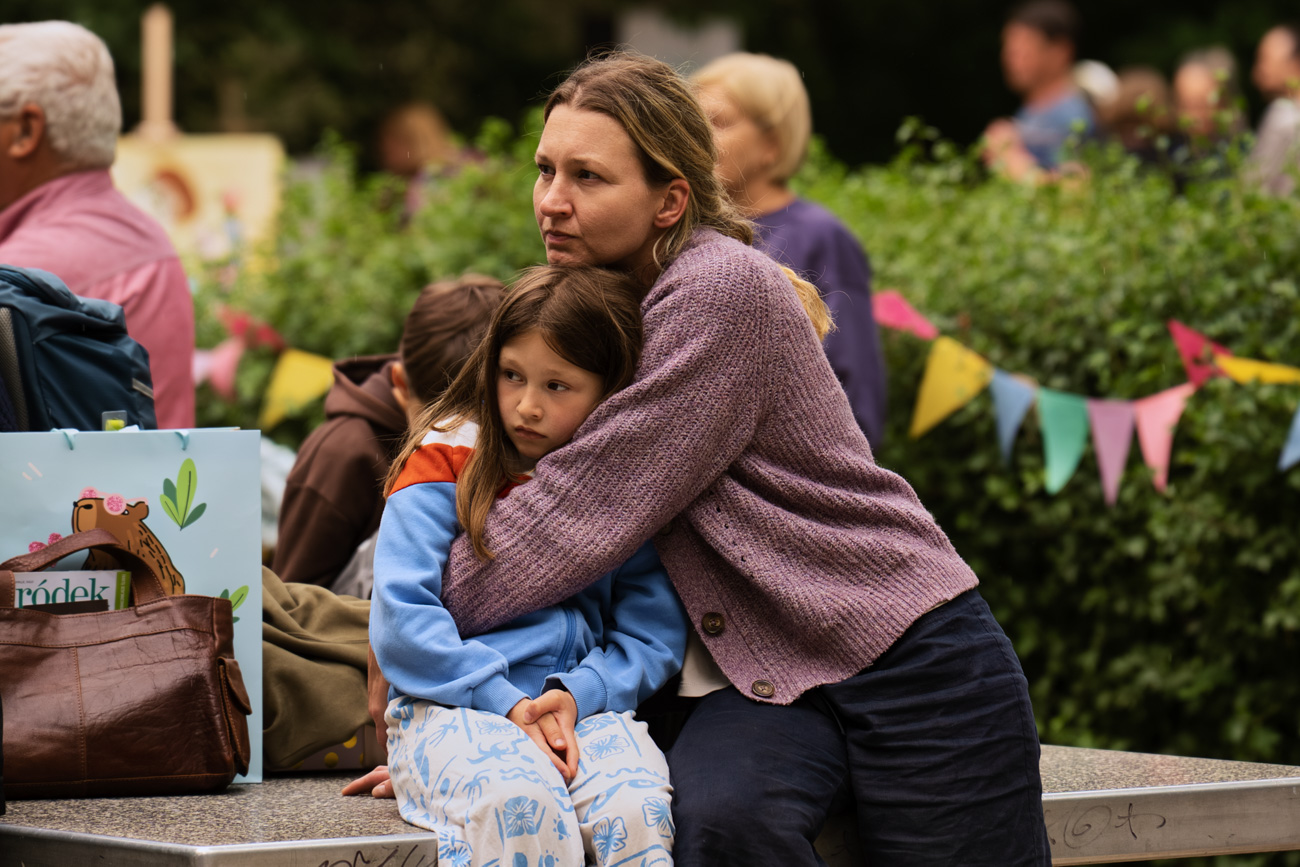
The final public presentations also received a broadly positive response. Audiences valued the artistic experience and its ability to encourage reflection on the experiences and challenges of young people affected by war, displacement and difficult life circumstances.

A process that becomes a shared experience

The Warsaw programme shows why participatory art cannot be measured only through the final artwork.

The performances, installations and other creative outputs matter, but they are also traces of a longer process: learning to work with others, negotiating differences, taking responsibility, becoming visible, sharing something personal and discovering that your contribution can change the work.

In this sense, the most important artistic material produced in Warsaw may not be any single performance or object. It is the collective experience created around them, a space where young people could experiment, take risks, support one another and gradually find their own ways of being part of something shared.

This is at the heart of NEWSPACE: using artistic practice not simply to produce culture, but to create opportunities for young people to participate in it.

Share the article!

Funded by the European Union. Views and opinions expressed are however those of the author(s) only and do not necessarily reflect those of the European Union or the European Education and Culture Executive Agency. Neither the European Union nor the granting authority can be held responsible for them.

Co-funded by the EU

You may also be interested in

partners' logos