From imagination to collective creation: workshop programme in Bologna

June 2026

How can participatory arts help young people express themselves, connect with others and recognise their own abilities? This question was at the heart of the NEWSPACE workshop programmes, a series of longer-term artistic pathways developed in Bologna, Kyiv and Warsaw.

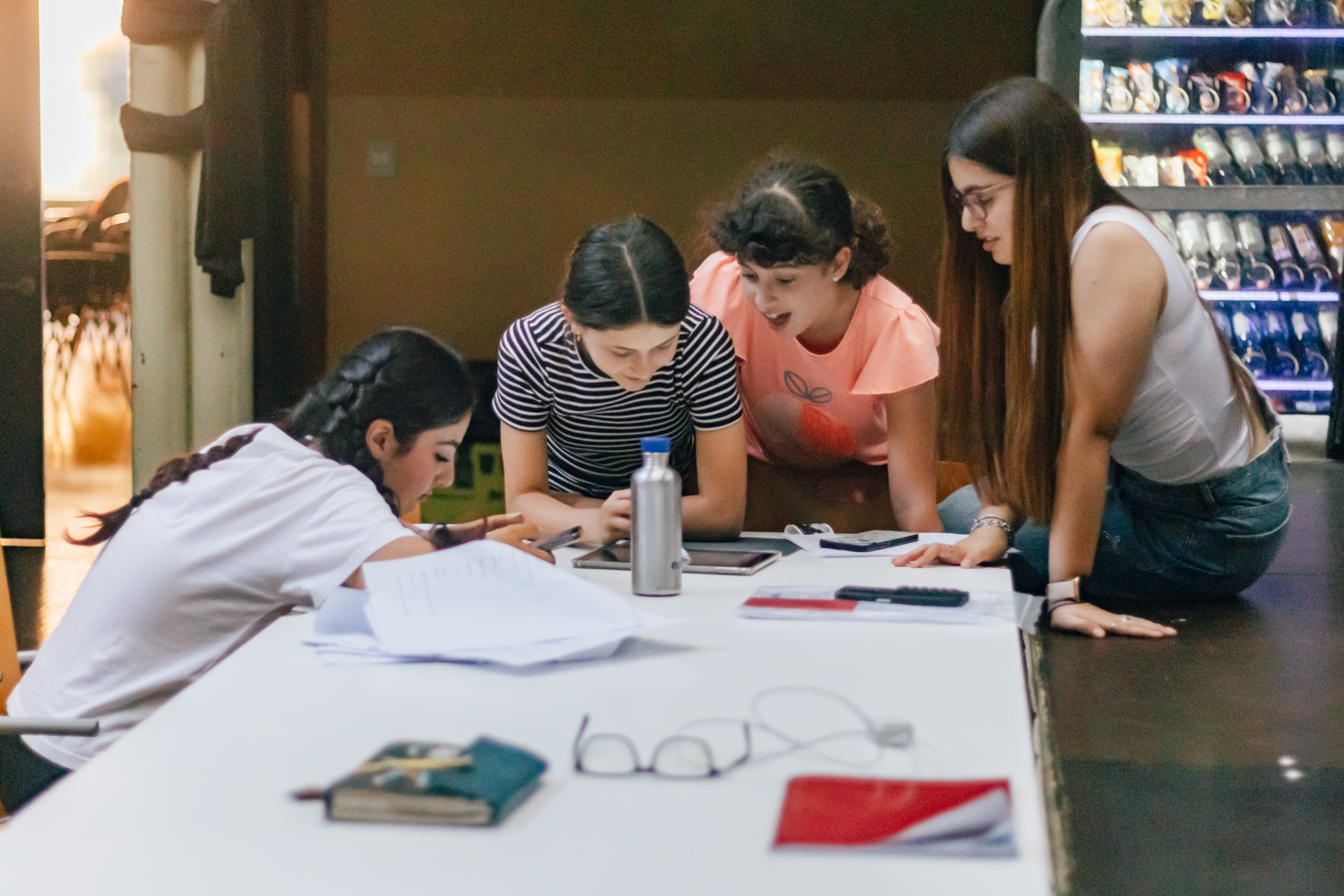
Building on the experiences of the project’s pilot residencies, the workshops created spaces where adolescents could experiment with different artistic languages while working together with professional artists. The aim was not simply to learn artistic techniques or produce a final artwork, but to create an environment where young people could explore their ideas, experiences and interests, develop new skills and build relationships.

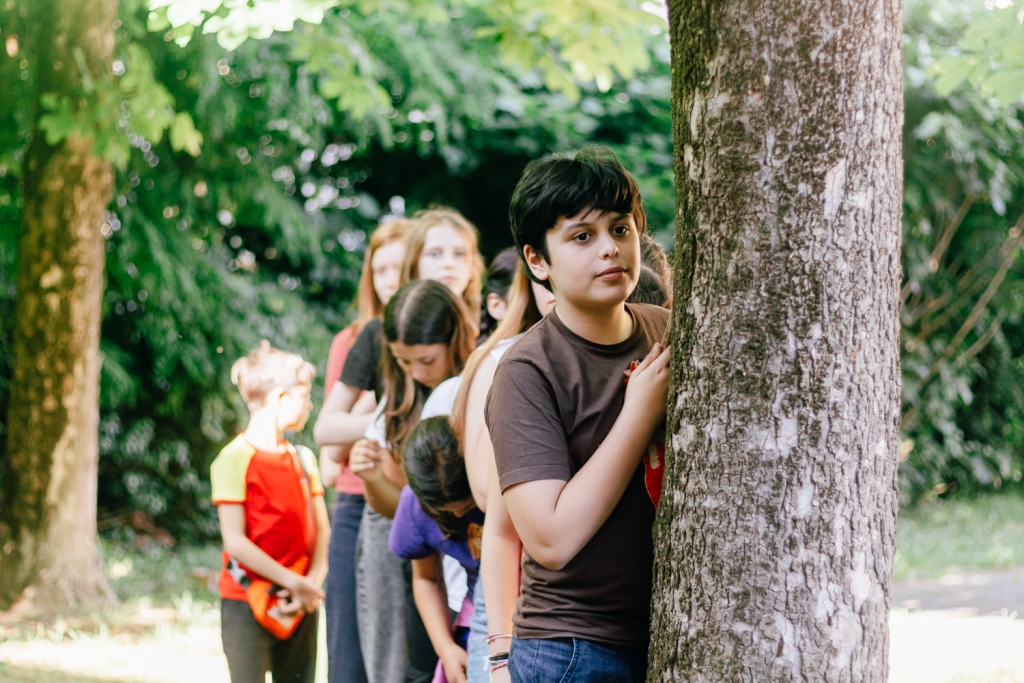
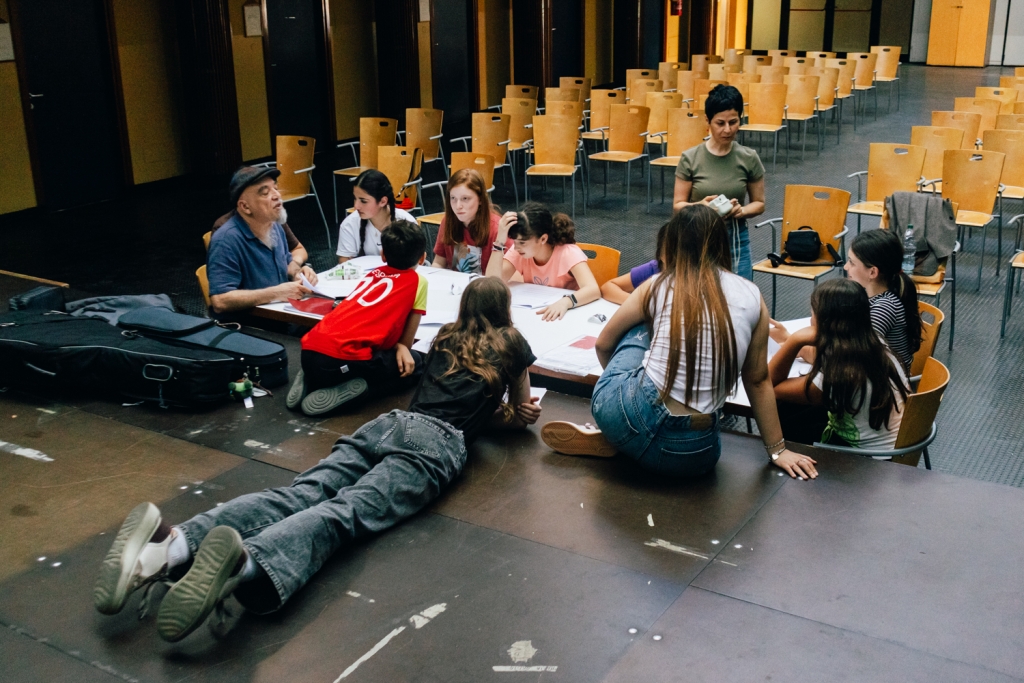
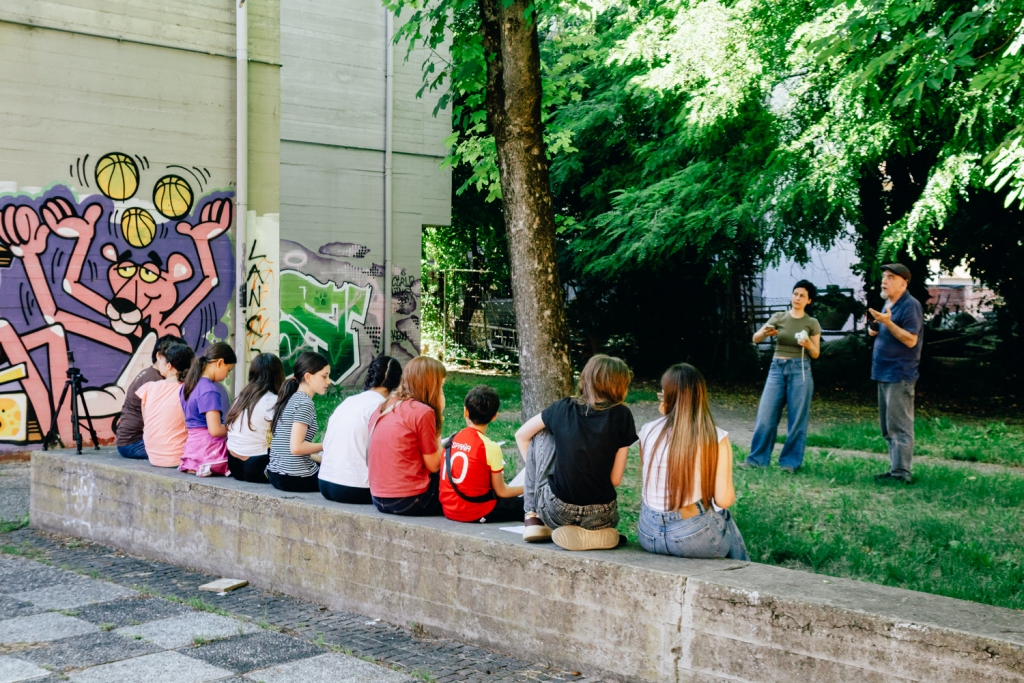
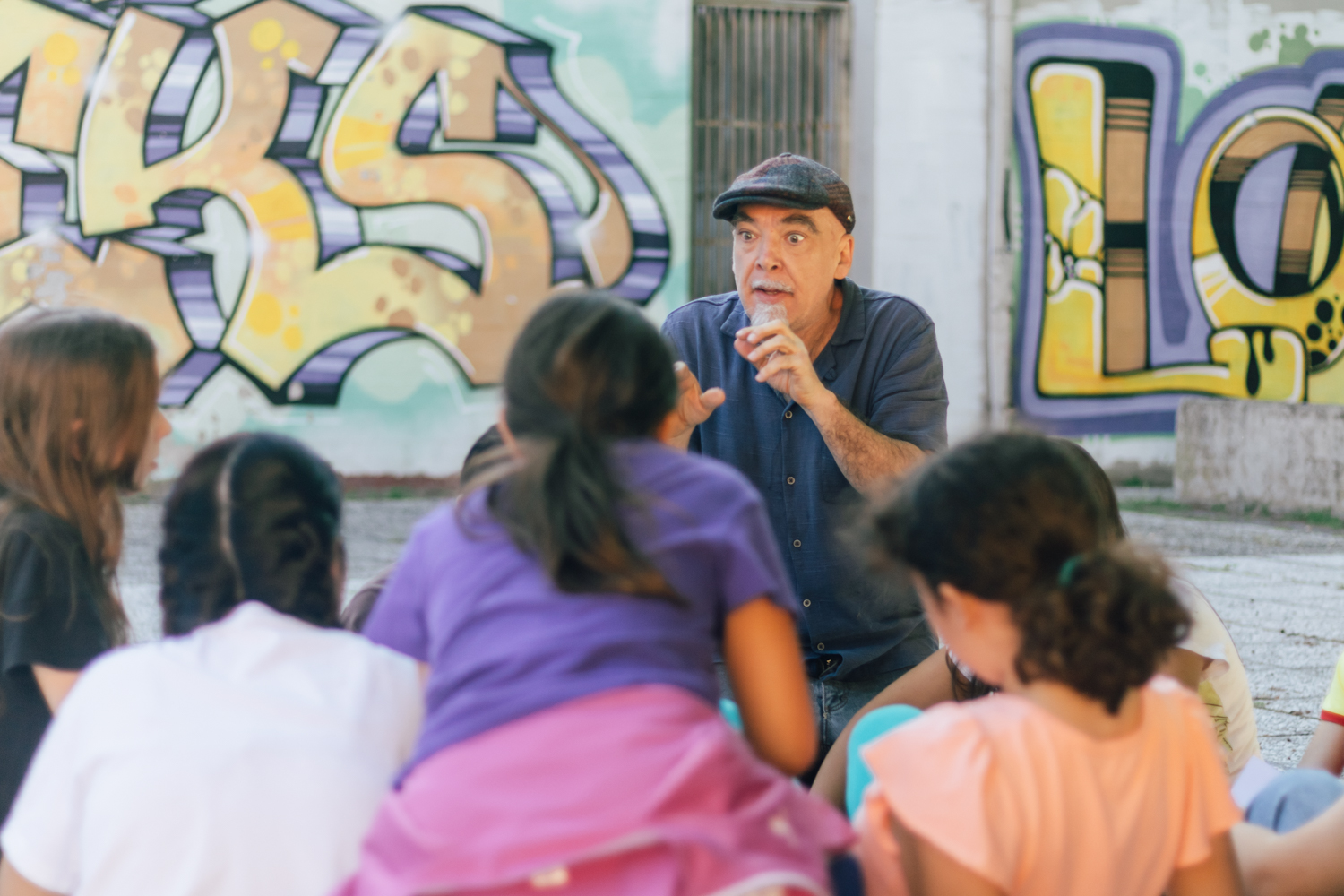
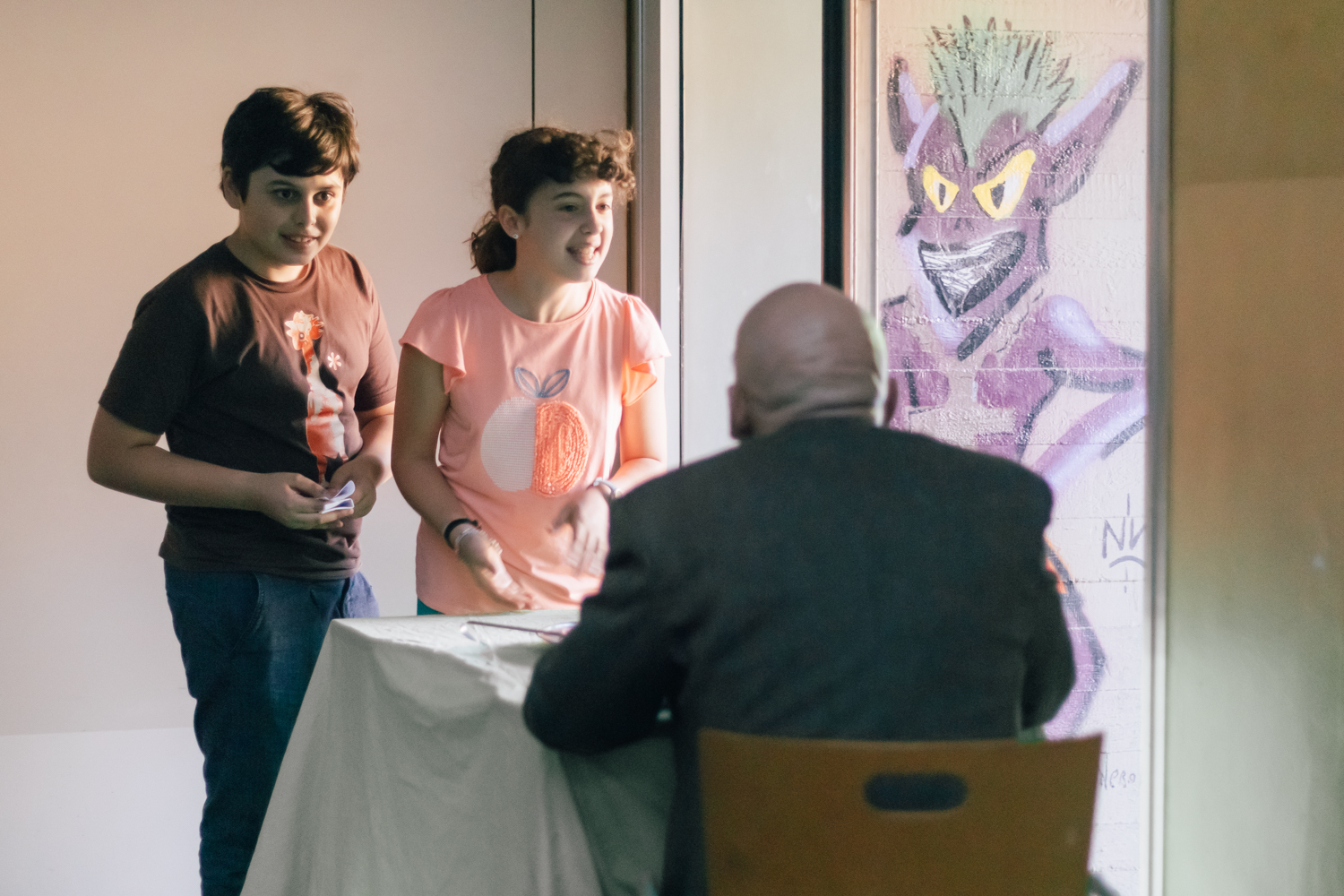
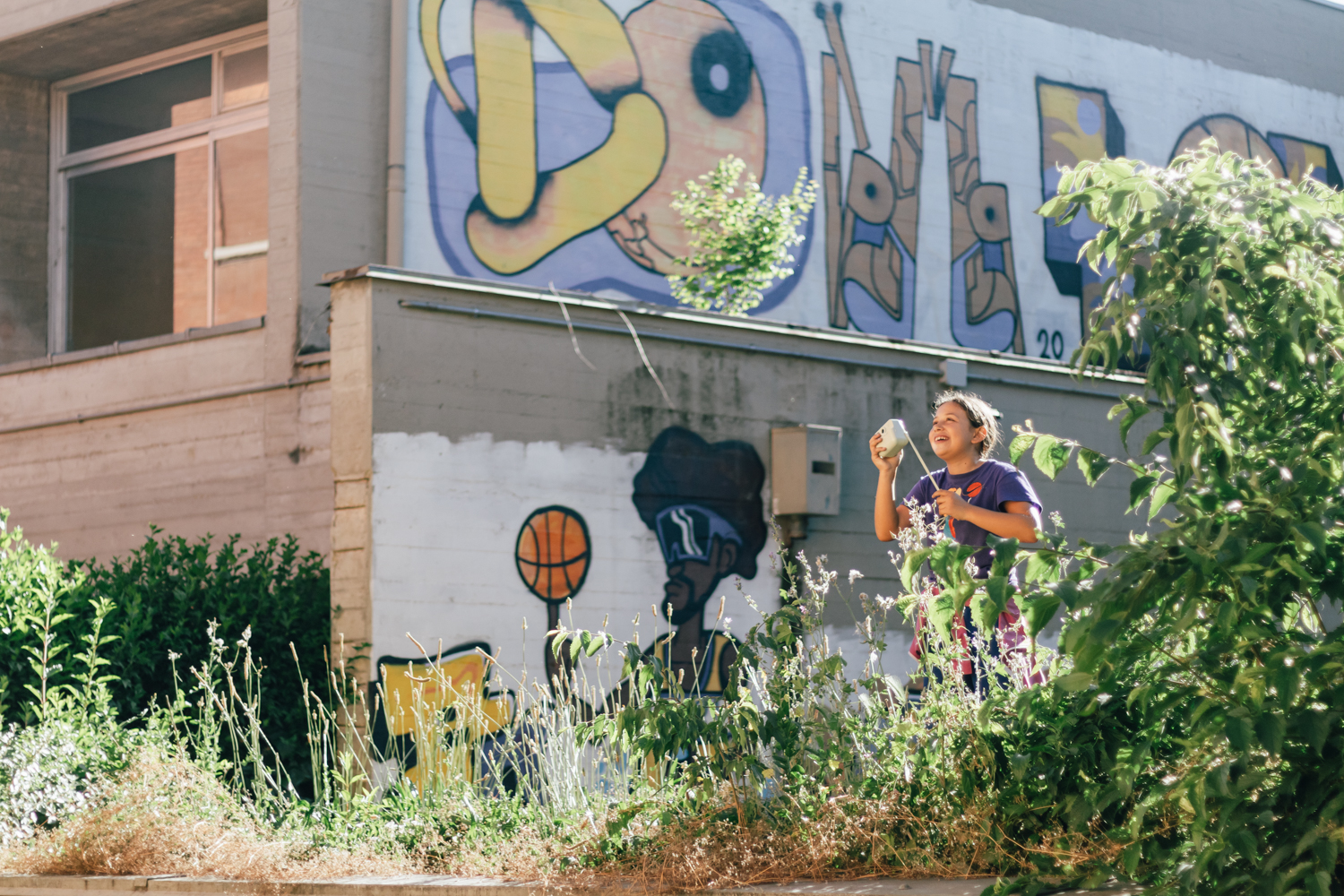
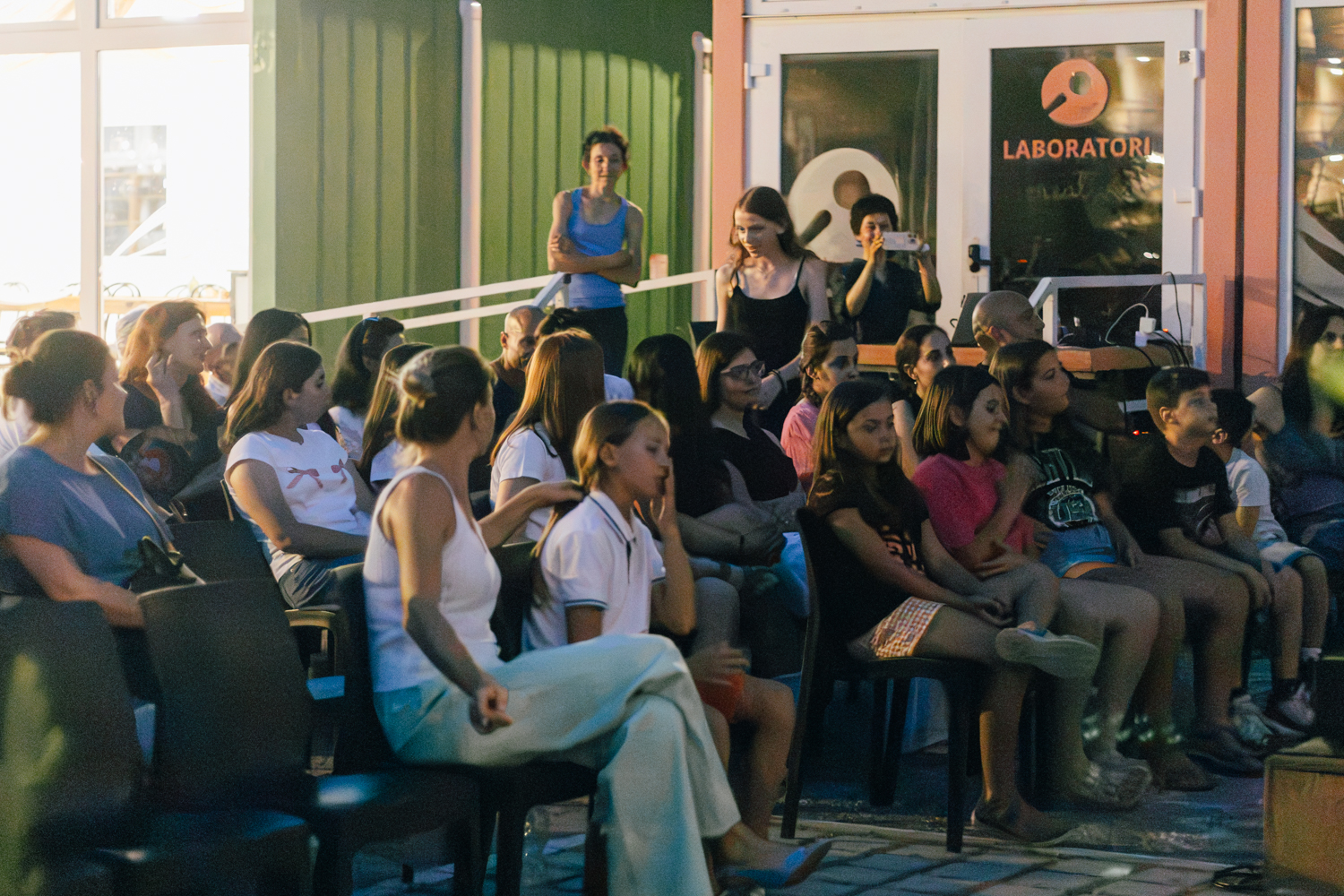
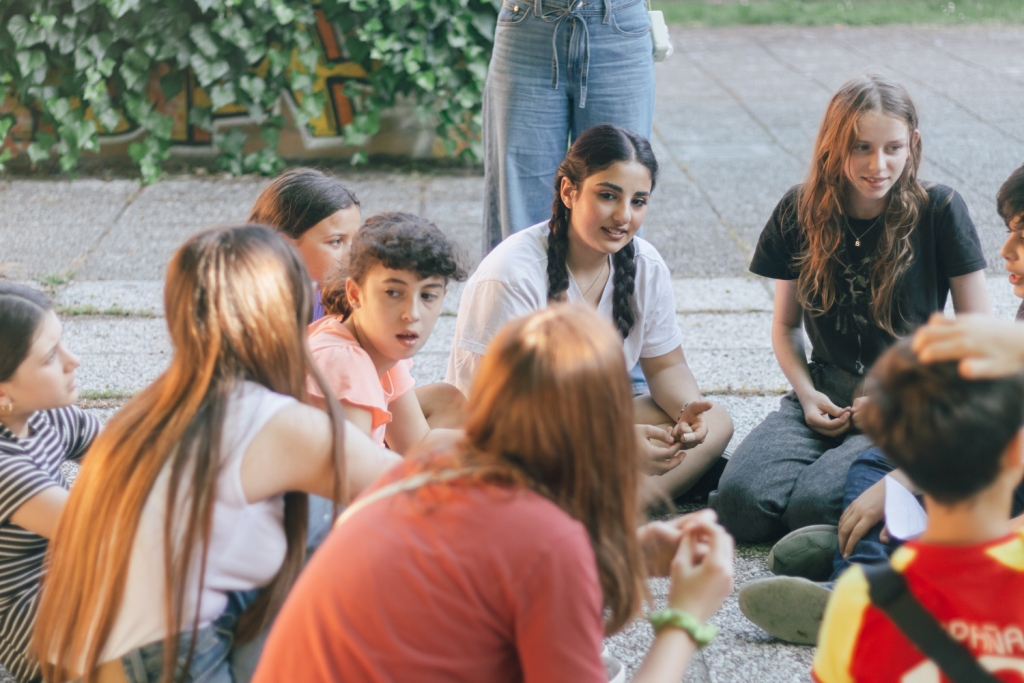
In Bologna, the programme was coordinated by Pietro Floridia and Sara Pour from Cantieri Meticci and developed across different local settings, including Oficina and the Borgatti Civic Centre, as well as outdoor spaces. The activities brought together theatre, storytelling, visual arts, animation and filmmaking, adapting the creative process to the different groups and contexts.

Starting from dreams and “spirit animals”

One of the central artistic approaches developed in Bologna grew from an invitation to imagine a dream in which each participant could transform into an animal, a “spirit animal” representing particular qualities, abilities or ways of being.

The idea offered young people a playful and indirect way to explore aspects of themselves. Instead of having to speak directly about personal experiences, they could use fictional characters, animals and symbolic elements to express ideas and perspectives.

These characters gradually became part of a shared narrative. Participants imagined characters gathered on a rooftop and developed a story together, bringing their own interests, biographies and passions into the creative process. Films, music, games and sport could all become material for the emerging story.

This use of fiction proved particularly valuable because it created a certain distance between the participants and the themes they were exploring. Co-authoring a fictional story allowed young people to express desires, fears and personal strengths without necessarily having to expose themselves directly.

Many artistic languages, one shared process

The Bologna workshops were deliberately interdisciplinary. Writing, acting, drawing, animation, video and other artistic practices were not treated as separate activities, but as different ways of contributing to the same creative process.

This multiplicity of languages was important for participation. Not everyone expresses themselves in the same way, and the workshops created different entry points into the creative process. Some participants could contribute through storytelling, others through visual work, performance or technical skills. The evaluation found that this process was associated with increased confidence in sharing ideas and with a greater recognition of participants’ own interests and abilities. Seeing their ideas incorporated into an artistic work helped some young people feel more willing to contribute and make their voices heard.

The workshops also created opportunities for participants to discover skills that were not immediately visible. While working together on stories and artistic challenges, young people demonstrated imagination, symbolic thinking, problem-solving and strategic thinking.

From individual ideas to a collective story

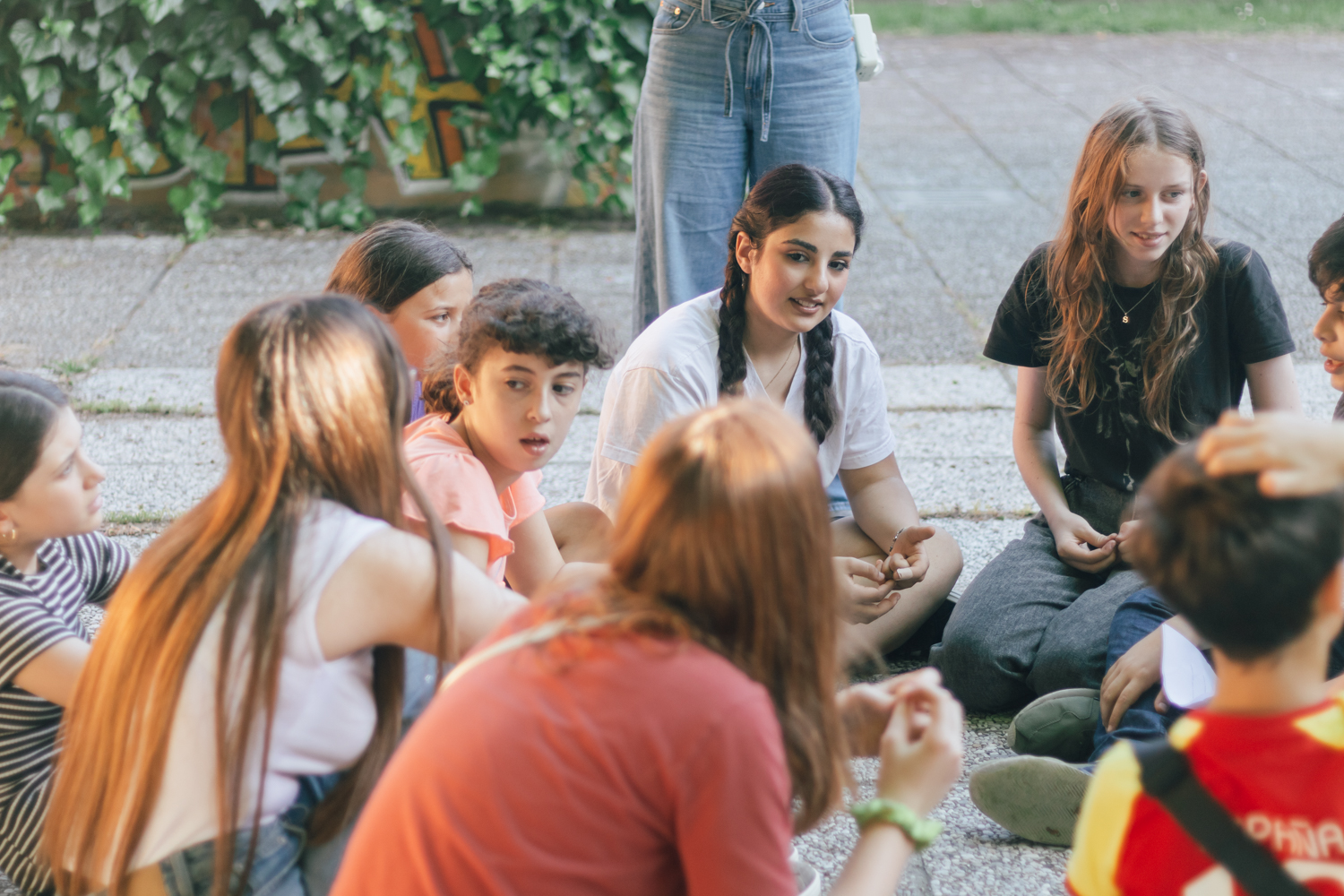
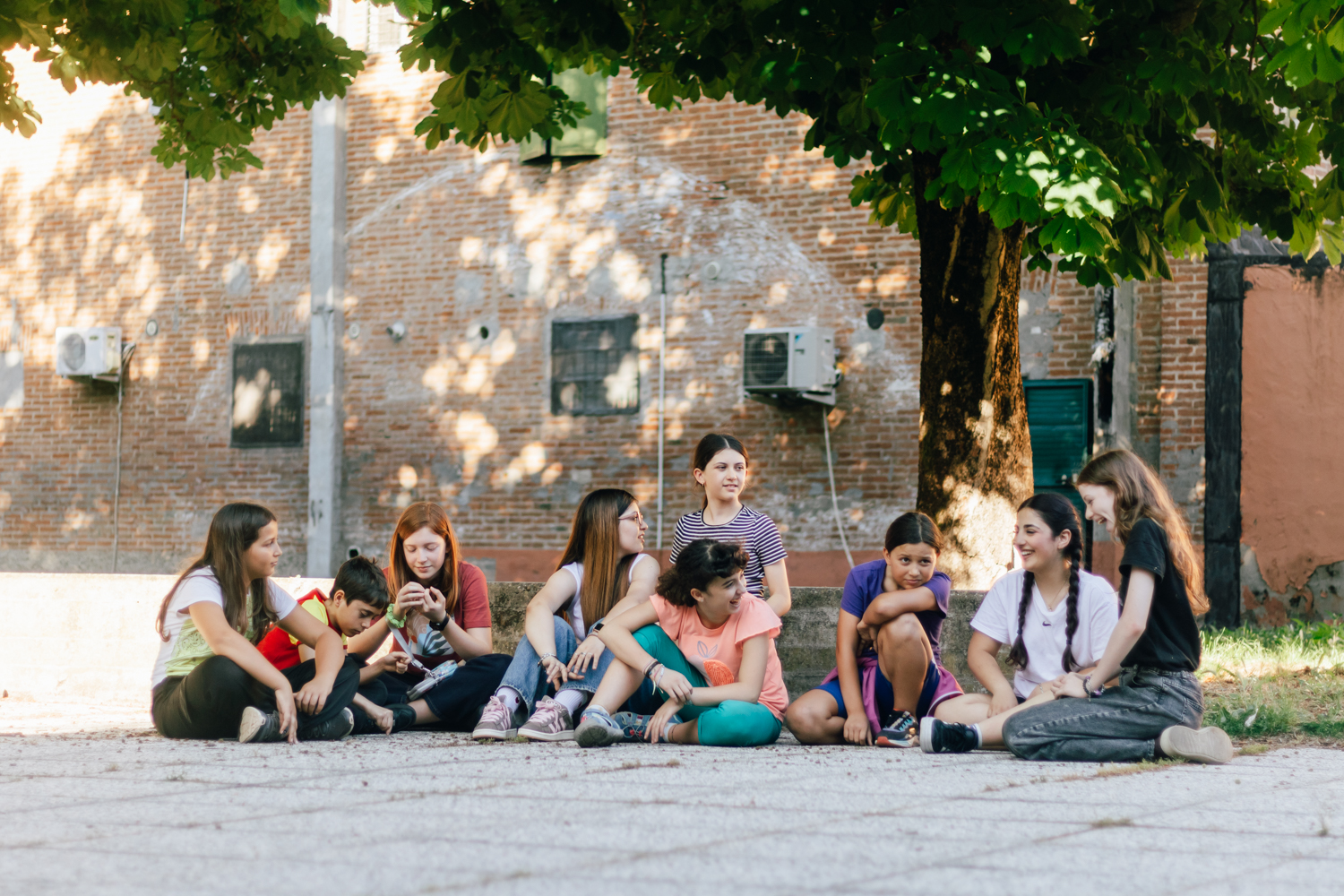
An important part of this experience was the gradual development of relationships within the groups. Participants did not necessarily arrive ready to collaborate. Some were initially reserved or uncertain about the adults around them, while existing relationships and group dynamics could sometimes make participation uneven. Over time, however, the workshops created opportunities for greater openness, collaboration and mutual recognition.

In some cases, relationships developed beyond the artistic activities themselves, becoming forms of support and connection. The creative process thus became not only a way to make something together, but also a way of learning how to listen, negotiate and recognise the contribution of others.

The choice of spaces also mattered. When activities moved outside the usual school environment and into theatres, cultural spaces, parks or familiar outdoor places, facilitators observed moments of stronger engagement, concentration and emotional openness.

The artistic outcome: Rooftops and Underground

The workshop process eventually became part of a wider artistic installation connecting the experiences of Bologna and Kyiv.

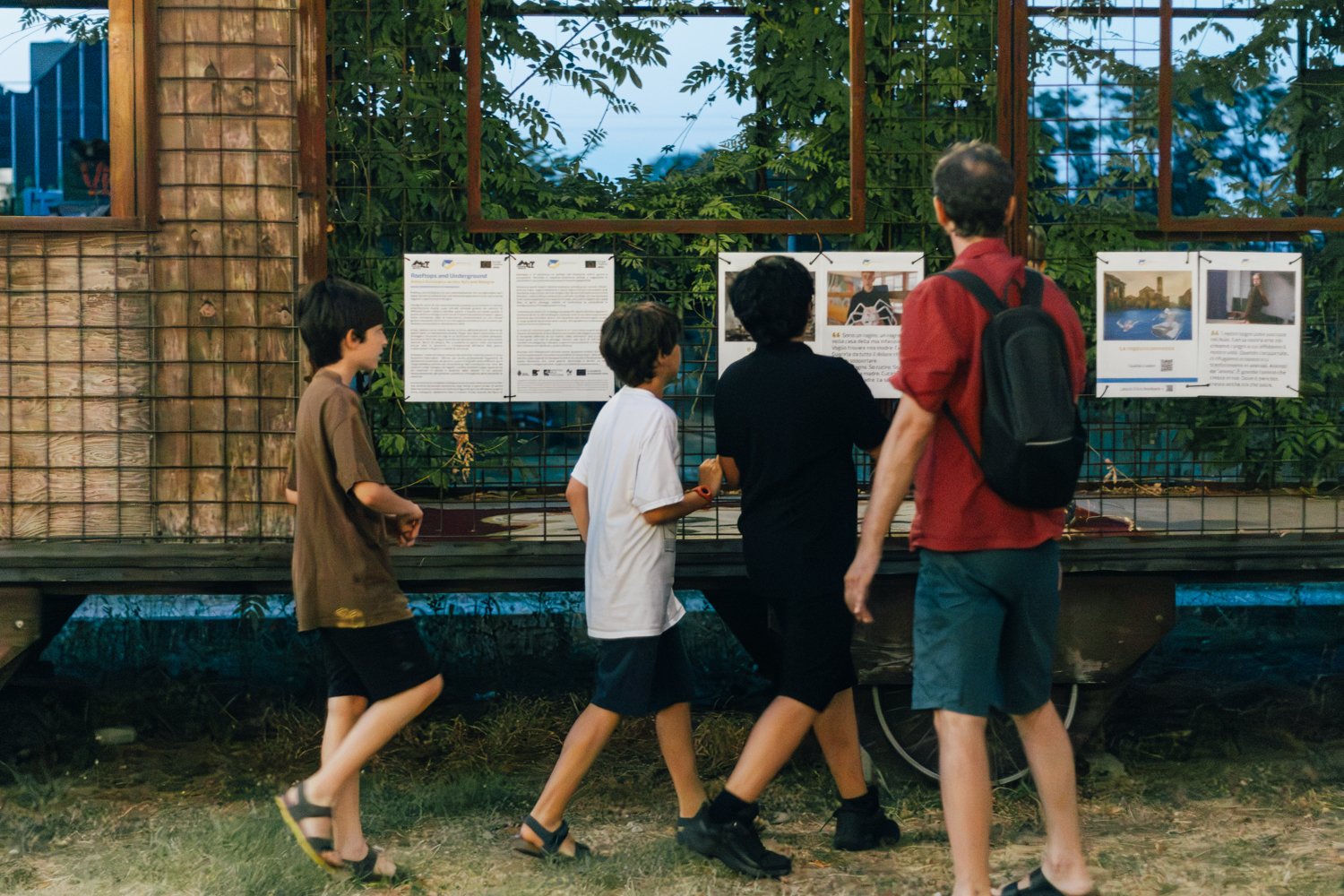
Rooftops and Underground transformed a repurposed train carriage at Salus Space into an immersive multimedia environment. The installation created a symbolic connection between two contrasting spaces: the underground metro stations used as shelters during air raids in Kyiv and the rooftops imagined by young people in Bologna as places from which to look at the world differently.

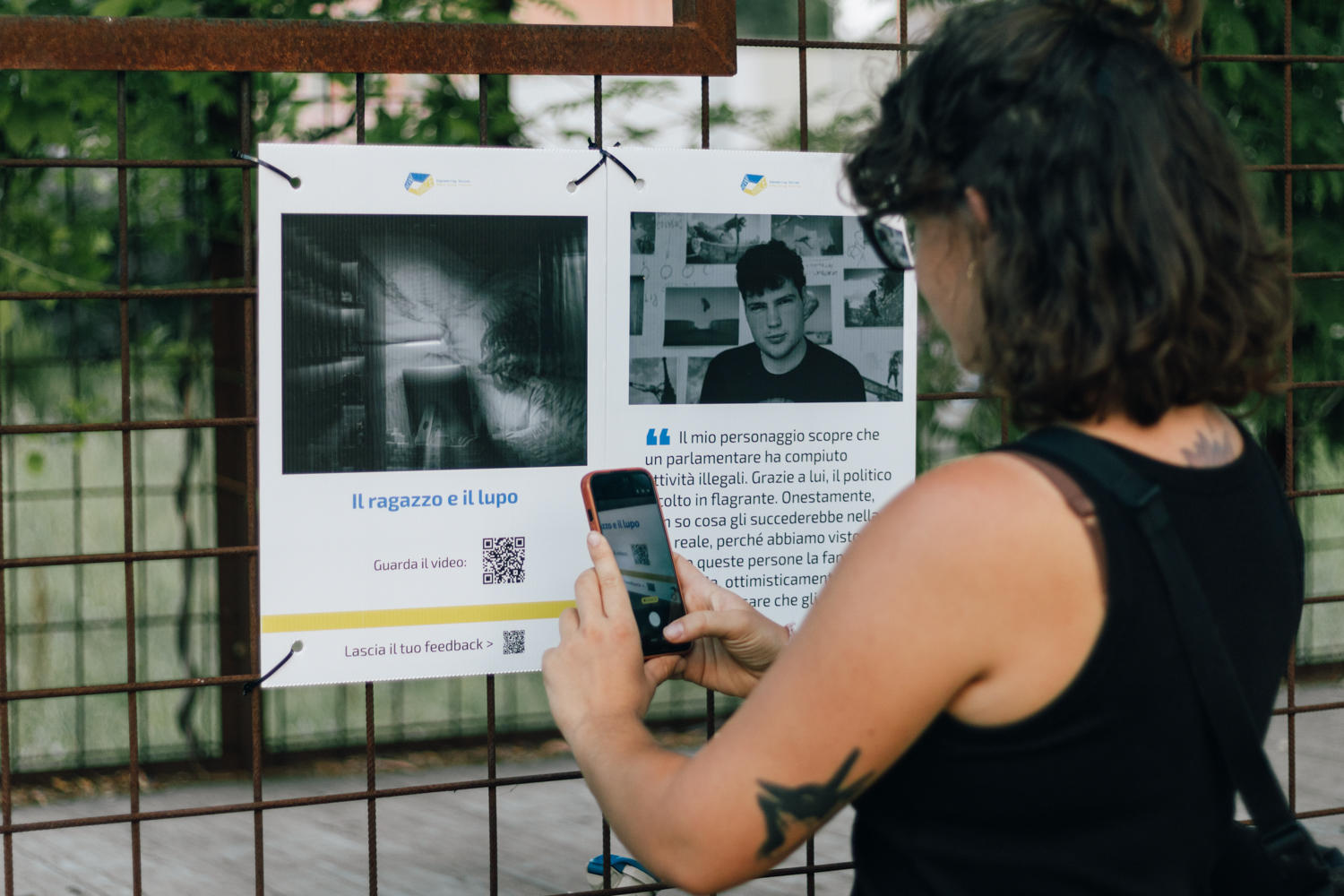
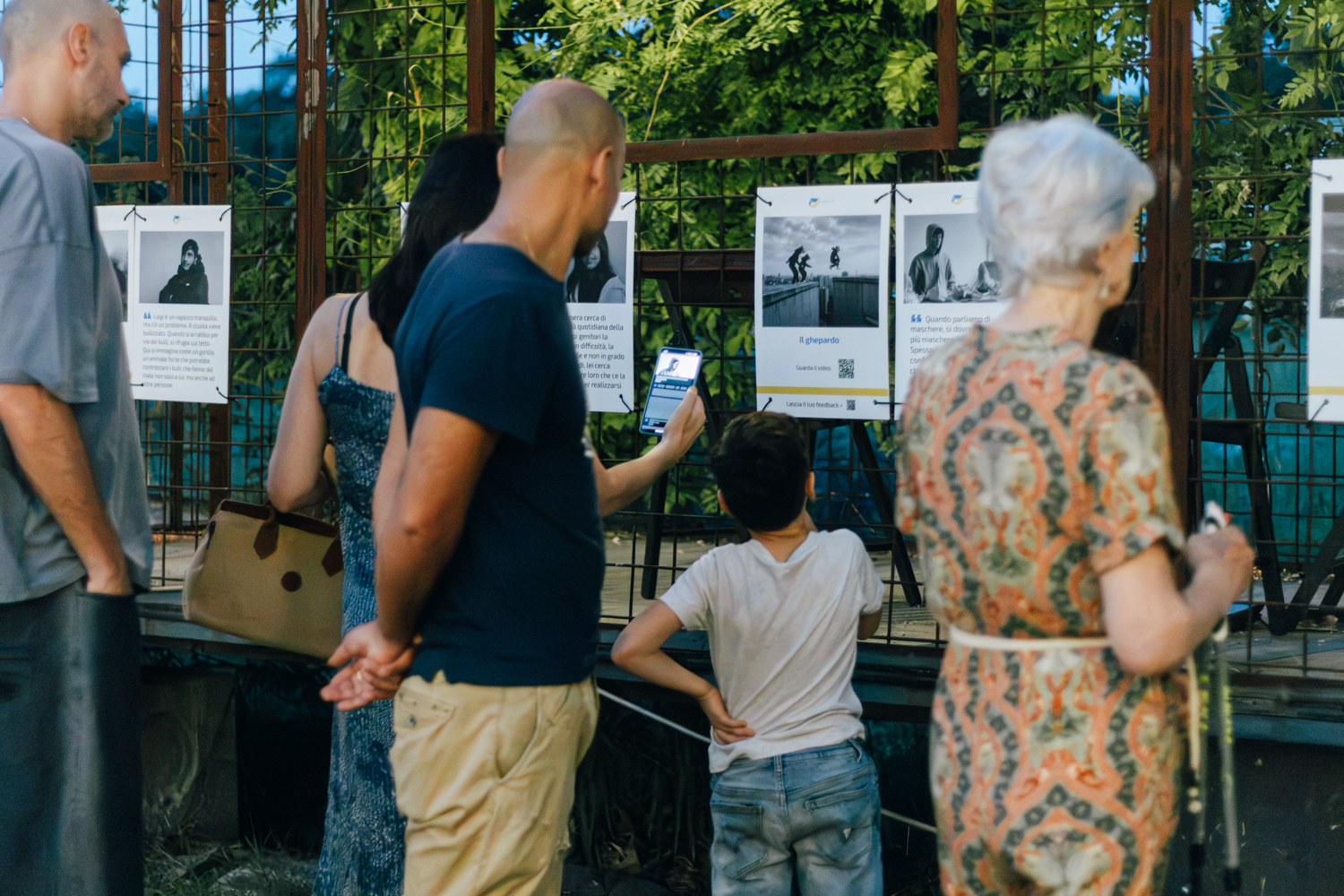
Visitors could enter an “inner subway” connecting Italy and Ukraine through videos, animations, written testimonies, interviews and digital artworks. At its centre was a shared question: which animal could guide you through your most difficult moments?

The young people’s answers became visual narratives of transformation. In Bologna, the rooftop became a space from which participants could step away, even temporarily, from social expectations, observe their surroundings from a different perspective and imagine alternative futures through their own “superpowers”.

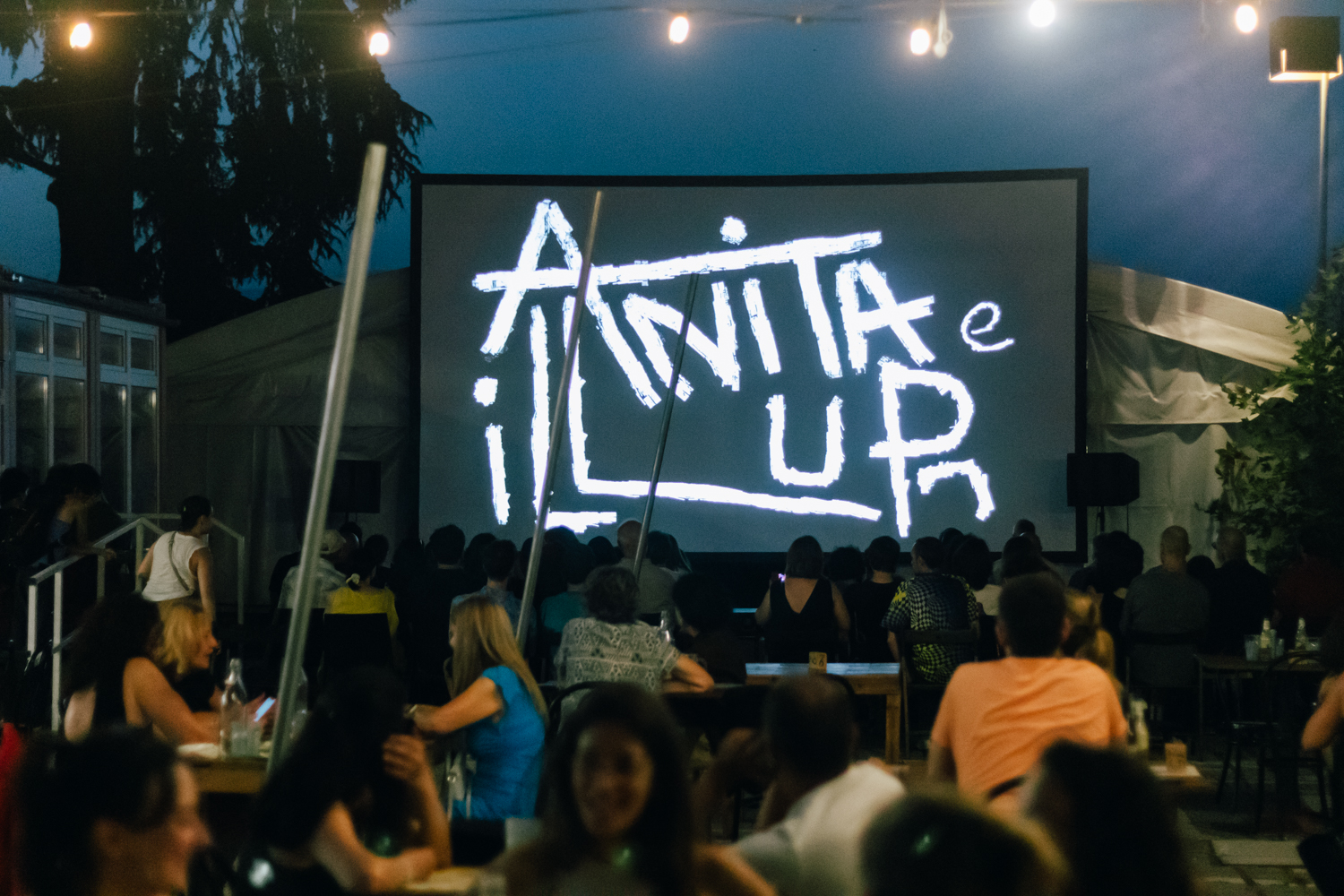
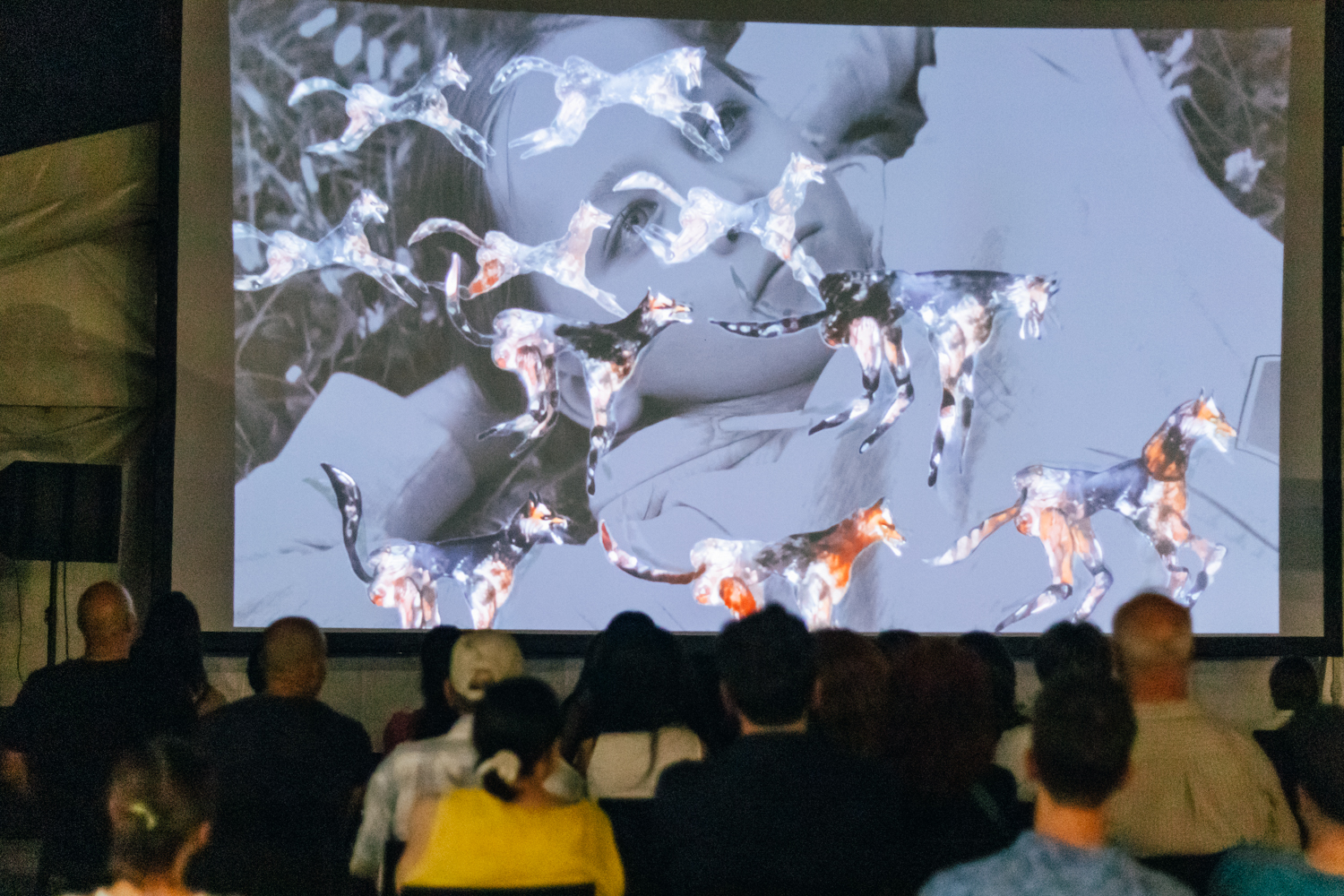
The two contexts were also brought together through Anita and the Wolf, a hybrid film combining live action, stop-motion animation and green-screen technology. The mysterious wolf moves between Italian and Ukrainian landscapes, creating a poetic connection across borders and symbolising solidarity despite geographical distance and conflict.

What did the workshops change?

The evaluation of the workshop programme in Bologna suggests that the most important outcomes were not limited to artistic production. Across the process, young people became more willing to express ideas, recognise their own qualities and participate actively in collective creation.

The evidence also points to stronger trust and openness towards peers and adults, greater collaboration and, in some cases, relationships that developed into forms of support beyond the workshops. Creative expression became a way for participants to make personal experiences and perspectives visible without necessarily having to explain them directly.

The quantitative evaluation also recorded a moderately positive overall change across the five dimensions of the NEWSPACE Theory of Change:

  • inner and emotional wellbeing,
  • personal development and skills,
  • social connections and sense of belonging,
  • cultural integration and heritage,
  • and creative expression and artistic growth.

The strongest overall change was recorded in personal development and skills, while social connections and cultural integration also showed positive movement.

At the same time, the evaluation makes an important point: change did not happen in the same way or at the same speed for everyone. Participatory arts are not a linear process. For some young people, becoming more visible meant sharing an idea; for others, it meant returning to a workshop, collaborating with someone else, presenting their work or discovering an ability they had not previously recognised in themselves.

From a workshop to a shared space

The programme experience in Bologna shows how participatory arts can create a space where individual stories become part of something collective.
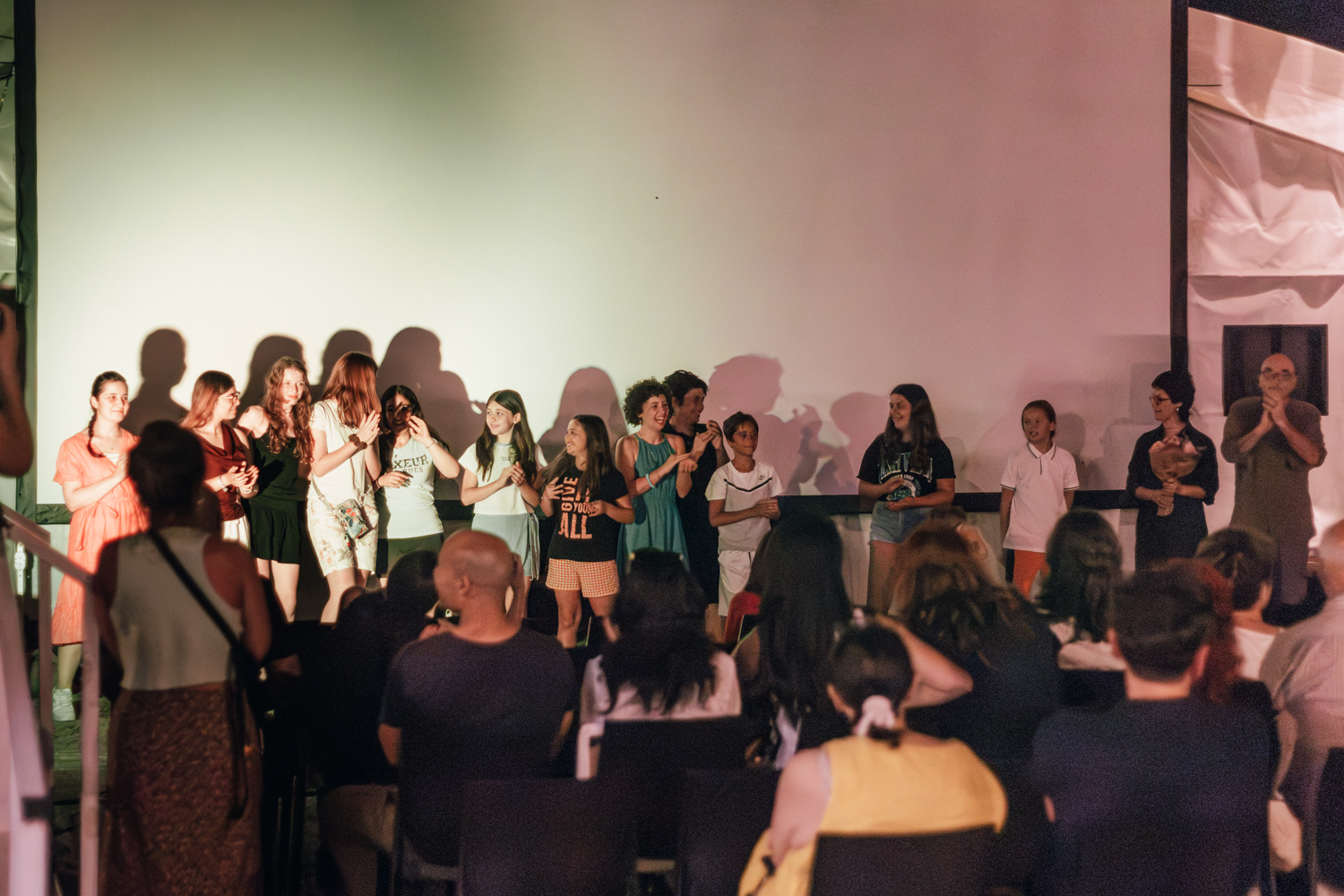
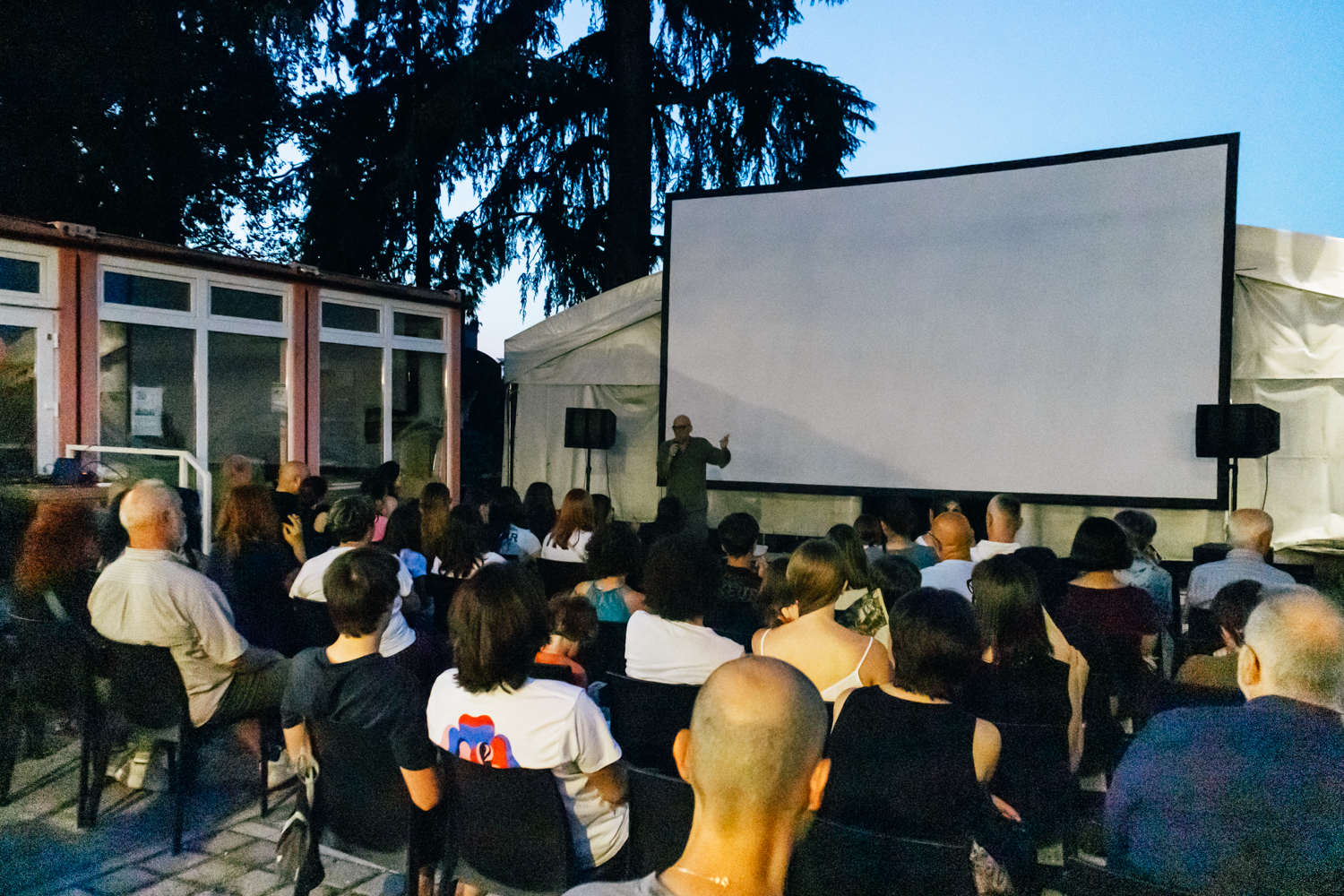
The final installation did not simply present finished artworks. It carried into the public space the questions, images, memories and creative discoveries that had emerged during the workshops. Audience feedback was strongly positive: visitors valued the artistic experience, its ability to encourage reflection on the experiences of young people affected by war and displacement, and its relevance to the local community.

For NEWSPACE, this movement from personal expression to collective creation — and finally to public sharing — is central. The artistic work becomes a bridge: between young people and artists, between participants themselves, and between their experiences and the wider community.

The Bologna workshop programme therefore leaves behind more than a collection of artistic outputs. It demonstrates how creativity can become a practical space for participation, recognition, connection and expression — and how a shared story can begin with something as simple, and as powerful, as a dream.

Share the article!

Funded by the European Union. Views and opinions expressed are however those of the author(s) only and do not necessarily reflect those of the European Union or the European Education and Culture Executive Agency. Neither the European Union nor the granting authority can be held responsible for them.

Co-funded by the EU

You may also be interested in

partners' logos